Sewing with bamboo fleece for cozy sweatshirts
A sweatshirt can be one of the most satisfying garments to sew: practical, forgiving, and easy to wear on repeat. Bamboo fleece brings an especially soft finish to the familiar sweatshirt formula, making it a lovely choice for cosy pullovers, relaxed hoodies, and warm layering pieces.
This knit fabric has a smooth jersey face and a brushed or looped reverse, depending on the variety. It tends to feel gentle against the skin, drapes more softly than traditional cotton fleece, and suits the relaxed shapes found in many independent sewing patterns. With a little preparation, it can produce a polished garment that feels far more luxurious than a standard shop-bought sweatshirt.
The fabric does have a few quirks. It may be heavier than expected, can stretch during cutting, and often needs careful handling around cuffs, neckbands, and hems. Understanding its structure before you begin will make the sewing process calmer and help your finished garment keep its shape.
Why bamboo fleece suits sweatshirt projects
Bamboo fleece is valued for its soft hand, fluid drape, and comfortable warmth. The bamboo content is usually blended with cotton, organic cotton, or a small amount of elastane, so the exact behaviour depends on the composition. A fabric with elastane will recover more reliably at cuffs and neckbands, while a bamboo-cotton blend may feel beautifully stable but relax with wear.
Its weight works well with everyday sweatshirt silhouettes. Choose it for a crew-neck pullover, a boxy top, a tunic, or a casual cardigan-style layer. Patterns with gently shaped side seams and uncomplicated construction allow the fabric’s drape to shine without asking it to support elaborate tailoring.
The reverse side is another useful feature. A loopback bamboo knit gives a lighter, textured interior for transitional weather, while brushed fleece offers extra warmth for colder days. Check both sides in natural light before cutting, as the colour and nap may look subtly different across the fabric.
Choosing fabric and a suitable pattern
Begin by checking the pattern’s recommended stretch percentage. Measure a section of the fabric across the grain, mark a ten-centimetre length, and see how far it extends without distorting. Compare that result with the pattern instructions. A sweatshirt designed for stable sweater knit may need a slightly firmer fleece, while a very relaxed design can accommodate a softer, drapier cloth.
Look for a pattern with clear finished measurements rather than relying on the size chart alone. A bamboo fleece sweatshirt may grow a little in length or width after washing, especially if it is loosely knitted. Compare the finished bust, hem, and sleeve measurements with a sweatshirt you already enjoy wearing.
For beginners, a straightforward pullover with a neckband and cuffs is a sensible starting point. Experienced sewists might enjoy adding a hood, curved hem, colour blocking, or a split hem. If you are using a pattern with a straight lower edge but want a softer shape, techniques from this guide to create a hemline curve can be adapted to a sweatshirt carefully.
Preparing bamboo fleece before cutting
Prewash the fabric in the same way you expect to launder the finished garment. Bamboo fibres can shrink, and fleece may change in texture after its first wash. Use a gentle programme and avoid high heat unless the fabric care instructions specifically allow it. Dry the fabric flat or over a line where possible, then press lightly from the wrong side.
Allow the fabric to rest before laying out the pattern. A soft knit can shift while it is being handled, especially when folded. Place it on a large, flat surface with the grain running evenly, and use pattern weights instead of relying entirely on pins. A cutting mat and rotary cutter can reduce distortion at the edges.
Pay attention to nap and direction. Brushed bamboo fleece may look darker or lighter when viewed from opposite ends, so place every pattern piece in the same direction. If the fabric has a pronounced loopback texture, keep the reverse consistent too. Save scraps for pocket bags, cuffs, testing, or small seasonal makes such as a DIY fabric Easter basket.
Construction details that make a difference
Use a stretch needle, usually a ballpoint or jersey needle, in a suitable size for the fabric weight. A fresh needle helps prevent skipped stitches and tiny holes. Polyester thread is a practical choice, and a walking foot can keep the layers moving evenly when sewing seams or attaching a waistband.
A serger gives neat, flexible seams, but a regular sewing machine works well too. Try a narrow zigzag, lightning stitch, or another stretch stitch recommended by your machine manual. Test on scraps first, then pull the stitched sample gently in both directions. The seam should stretch with the fabric and return without popping or looking wavy.
Stabilise areas that receive strain. Clear elastic or a narrow strip of lightweight knit interfacing can support the shoulder seam, particularly in a wide-neck or drop-shoulder design. When attaching a neckband, quarter both the opening and the band, distribute the stretch gradually, and avoid pulling the sweatshirt body more than necessary.
| Project detail | Recommended approach | Common problem prevented |
|---|---|---|
| Needle | Jersey or stretch needle | Skipped stitches and snags |
| Seams | Narrow zigzag, lightning stitch, or serger | Split seams after wearing |
| Cutting | Weights and a flat surface | Uneven edges and stretched pieces |
| Neckband | Quarter-marked sections with light tension | Wavy neckline |
| Hem | Twin needle, coverstitch, or stretch zigzag | Cracked stitching |
| Pressing | Low to medium heat with a pressing cloth | Flattened fleece or shine |
Managing hems, cuffs, and fit
Bamboo fleece often benefits from a slightly deeper hem than lightweight jersey. A narrow fold can look neat, but a wide hem gives the lower edge more stability and helps prevent curling. Test the proposed finish on a sample tube before committing to the garment, since some fleece fabrics become bulky when folded twice.
Cuffs should have enough recovery to hold the sleeve or hem comfortably without creating tight ridges. If the fabric has limited elastane, cut cuffs according to the pattern instructions and compare the stretch with the main fabric. A cuff that is too long may sag, while one that is too short can make the seam difficult to distribute evenly.
Try the sweatshirt on before finalising the hem. Bamboo fleece may settle after a few minutes of wearing, and the weight of a hood or kangaroo pocket can alter the balance. Check the sleeve length, shoulder position, and side seams while moving your arms. Small adjustments are easier before the hem is permanently stitched.
Practical recommendations for a smoother make
Treat your first project as a fabric test as well as a garment. Keep notes about the fibre blend, prewash result, needle, stitch settings, and any changes you make to the pattern. Those details will be useful when choosing bamboo fleece again.
- Choose a simple sweatshirt pattern with clear stretch requirements.
- Prewash and dry the fabric before cutting any pattern pieces.
- Use a fresh stretch needle and test every stitch on scraps.
- Stabilise shoulder seams and avoid stretching the neckline during sewing.
- Press gently and wash the finished garment according to the fabric label.
Keep the completed sweatshirt on a broad hanger or fold it rather than leaving it suspended from a narrow hook. Frequent high-heat tumble drying can shorten the life of bamboo fibres and affect the recovery of ribbed cuffs. Gentle washing will help preserve the soft surface and the original fit.
Plan a comfortable first layer
The best bamboo fleece sweatshirt is one that fits into your real wardrobe. Consider the trousers, skirts, or dresses you already wear, then choose a colour and silhouette that will earn regular use. A neutral crew neck can become a dependable everyday layer, while a brighter hoodie or colour-blocked pullover can bring personality to simple outfits.
Set aside time for a fabric test, take care over the cutting layout, and let the machine settings develop gradually. When the final seam is stitched, you will have more than a warm handmade top: you will have a useful reference for future knit projects. Select a forgiving pattern, prepare your bamboo fleece thoughtfully, and start sewing a soft sweatshirt you will be pleased to reach for.
Popular Pattern Reviews
| Pattern | Designer | Type | Highlight |
|---|---|---|---|
| Compose Robe (Kids) | Love Notions | Robe / Loungewear | Sizes 2T–16, cosy & practical |
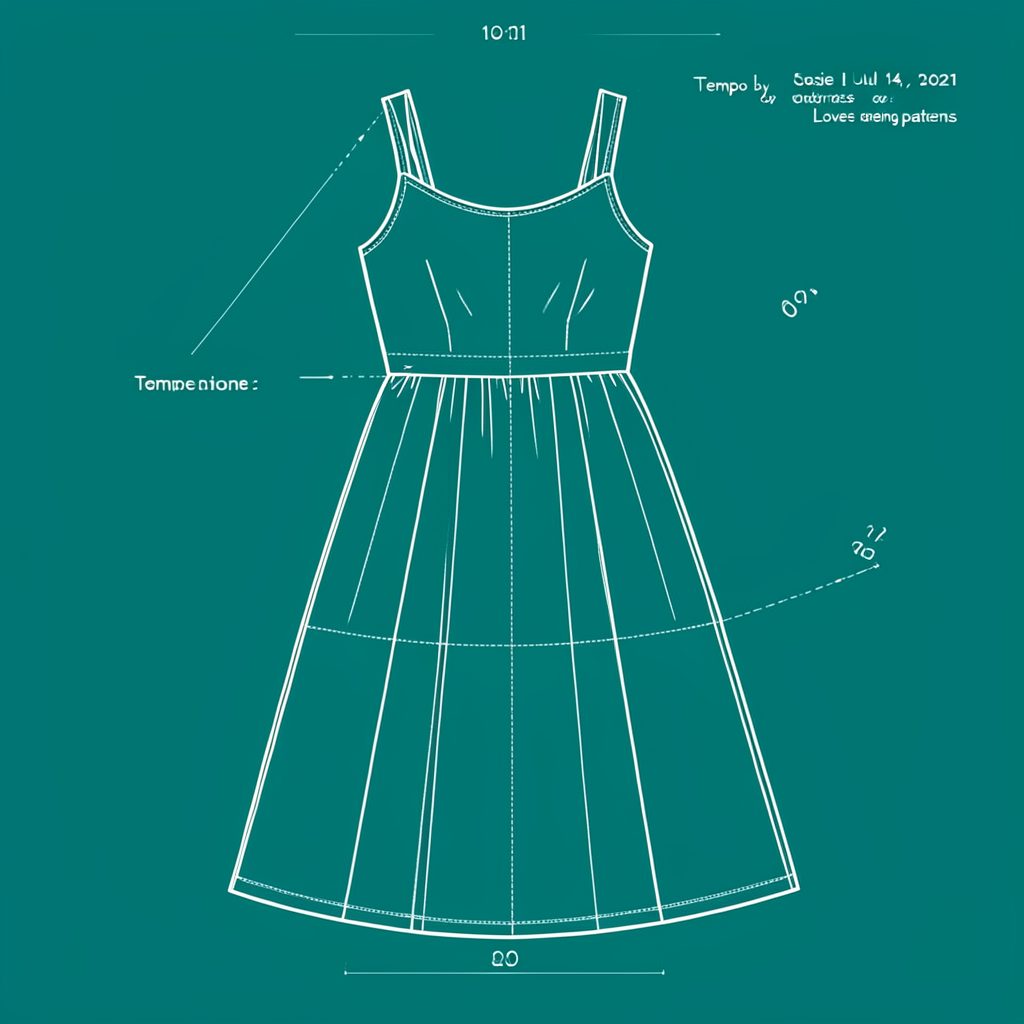
| Tempo Sundress | Love Notions | Sundress | No closures, shirred back panel |
| Arlington Sweater | Love Notions | Sweater | Cold-weather staple |
| Sybil Illusion Skirt | Love Notions | Skirt (knit) | 7 variations, optional pockets |
| Camden Pinafore | Nina Lee Patterns | Pinafore dress | Year-round layering piece |
| Ogden Cami (dress hack) | True Bias | Cami / Dress | Versatile wardrobe builder |
| Burda 6829 | Burda | Dress | Multi-sized, special-occasion |
Stay in Touch
Subscribe to the newsletter for sewing inspiration, pattern tips, and project ideas delivered straight to your inbox.