Reliable Knit Sewing on an Ordinary Sewing Machine
Sewing stretch fabric does not require an overlocker. A regular domestic machine can produce comfortable T-shirts, leggings, cardigans and casual dresses when the needle, stitch and handling are matched to the fabric. The real trick is allowing the knit to stretch without letting the machine chew, ripple or distort the seams. Learn more about Privacy Policy.
Knits vary widely. A stable ponte behaves very differently from a lightweight bamboo jersey, while ribbing can stretch several times farther than a cotton interlock. Understanding the fabric in front of you will make a bigger difference than owning an expensive machine.
This is especially useful for Australian sewists, where wardrobes often need breathable tops for a Queensland summer, warm layers for a Victorian winter or easy clothing for changeable weather in Tasmania. Many fabrics are bought online or from large retailers such as Spotlight, so checking the fibre content and stretch percentage before cutting is worth the effort.
Josephine’s sewing and crafts blog explores approachable pattern projects, including Love Notions designs and other independent sewing labels. The same practical approach applies here: start with a manageable knit, test your settings and treat each sample as useful information rather than wasted fabric.
| Fabric or project | Useful needle | Starting stitch | Handling note |
|---|---|---|---|
| Cotton jersey T-shirt | Stretch or ballpoint 75/11–80/12 | Narrow zigzag | Support the fabric as it leaves the machine |
| Lightweight bamboo jersey | Stretch 70/10–75/11 | Lightning stitch or narrow zigzag | Use tissue paper if the feed dogs pull it |
| Ponte or scuba | Jersey 80/12–90/14 | Longer zigzag or stretch stitch | Reduce bulk at hems and intersections |
| Rib knit neckband | Stretch 75/11–80/12 | Narrow zigzag | Measure the band; do not rely on guesswork |
| Leggings or fitted garments | Stretch 75/11–80/12 | Stretch stitch | Test recovery before cutting |
Choose the right knit before cutting
Begin by checking stretch, recovery, weight and direction. Stretch the fabric across the cross-grain, then release it. If it returns close to its original size, it has good recovery; if it stays noticeably longer, it may grow during wear. Measure a ten-centimetre section and record how far it stretches. This simple test helps you compare the fabric with the pattern requirements.
A soft rayon or bamboo jersey can be lovely for a draped top, but it may curl at the cut edge and grow under its own weight. Cotton jersey is often easier for a first T-shirt, while ponte is stable enough for skirts, structured tops and beginner-friendly trousers. In Australia, seasonal sales and clearance tables can make fabric buying tempting, but a cheap remnant is only a bargain if its stretch suits the pattern.
Wash and dry the fabric before cutting, using the method you expect to use for the finished garment. Some knits shrink in length more than width. A hot wash in Brisbane or a sunny clothesline in Adelaide can expose that problem before it becomes a too-short hem. Keep the fabric folded without stretching it and cut on a large, flat surface.
Select a needle and thread that behave
A ballpoint needle has a rounded tip that moves between knitted loops rather than slicing through them. A stretch needle has a specialised shape and is often the safer choice for very elastic fabric, activewear or seams that will be pulled frequently. Replace a needle that has been used for several projects, especially if it starts skipping stitches.
Use good-quality polyester thread because it has slight give and tolerates regular washing. Cotton thread is less forgiving in a stretchy seam and can snap when the garment is pulled over the head or hips. Thread the machine carefully, check that the bobbin is seated correctly and clean lint from the bobbin area before troubleshooting.
Needle sizes around 75/11 or 80/12 suit many everyday jerseys, while thicker ponte may need 90/14. The largest needle is not automatically the best one. A heavy needle can leave visible holes in a fine knit, so test on a double layer and inspect the fabric in good light.
Set up a stretch-friendly seam
A straight stitch generally cannot stretch enough for a knit garment. Use a narrow zigzag, lightning stitch or another stretch setting supplied with your machine. Keep the zigzag narrow enough to form a tidy seam, then test by pulling the sample firmly. The stitches should extend without popping.
A walking foot can help when layers shift, but it is not essential. First try a standard foot with a slightly reduced presser-foot pressure if your machine allows that adjustment. Sew slowly and let the feed dogs move the fabric; pulling it from behind can create wavy seams. If the seam looks stretched after sewing, reduce handling and support the fabric in front of and behind the needle.
For hems, a twin needle can create two parallel lines on the outside and a flexible zigzag underneath. Use a stretch twin needle if available, loosen the presser-foot pressure and test the tension. A narrow zigzag or a cover-stitch-style twin-needle finish is often more reliable than forcing a knit through a tiny folded hem.
Stabilise edges that misbehave
Shoulder seams carry weight and can stretch out of shape, particularly in a loose T-shirt or a garment made from lightweight jersey. Sew clear elastic, stay tape or a narrow strip of lightweight interfacing into the seam allowance. The stabiliser should support the seam without making it stiff.
Neckbands deserve careful measuring. The band is usually shorter than the neckline so it draws the edge neatly against the body, but the exact ratio depends on the fabric’s recovery. A rib knit may need less length than a soft single jersey. Join the band into a loop, divide both the band and neckline into quarters, then match the marks while stretching the band—not the garment opening.
If an edge curls, press it gently with a low-to-medium setting and a pressing cloth. Do not drag the iron along the fabric. A strip of washable stabiliser, tissue paper or even a narrow piece of printer paper under the seam can help the machine form the first stitches. Tear away paper carefully after sewing and remove any remaining fragments with tweezers.
Test every setting on scraps
A test square should include the same number of layers, seam direction and finishing method as the garment. Sew a sample, stretch it across the seam and wash it if the fabric is unfamiliar. Look for skipped stitches, tunnelling, popped threads and rippling. Change one setting at a time so you know what solved the issue.
Skipped stitches often indicate the wrong needle, a blunt point or incorrect threading. Rippling can come from stretching the fabric while sewing, excessive presser-foot pressure or a stitch length that is too short. If the seam looks perforated, change the needle type or size rather than simply increasing thread tension.
Keep a small note of the successful combination: needle, stitch, length, tension and presser-foot setting. This is particularly handy when moving between a lightweight knit for a summer top and a thicker ponte for a winter garment. Sewists who shop across Australian retailers will find that fabric labels are not always consistent, so your own samples become a useful reference.
Build confidence with simple knit projects
A relaxed T-shirt is an excellent first project because it usually has few pieces and forgiving fit. Choose a stable cotton jersey, avoid a very low neckline and practise on scraps before attaching the neckband. Patterns from independent designers often include useful stretch percentages and construction options, so read those notes before choosing fabric.
Love Notions patterns are a helpful starting point for learning how different knit garments are assembled, especially when instructions include alternatives for hems, necklines and fit. Once comfortable, try a cardigan, knit skirt or pair of lounge trousers. Garments with fewer curved seams give you space to focus on stitch control.
For a broader look at handling slippery materials, these silk sewing tips are also useful because many of the same principles apply: support the fabric, use a fine needle and test before committing. The fabrics differ, but careful preparation remains the common thread.
Finally, remember that a regular sewing machine is perfectly capable of producing durable knitwear. Choose fabric with suitable recovery, use a stretch needle and polyester thread, select a flexible stitch and avoid pulling as you sew. With those habits in place, even a modest machine can handle practical garments for an Australian wardrobe, from cool coastal layers to everyday clothes for a warm arvo.
Popular Pattern Reviews
| Pattern | Designer | Type | Highlight |
|---|---|---|---|
| Compose Robe (Kids) | Love Notions | Robe / Loungewear | Sizes 2T–16, cosy & practical |
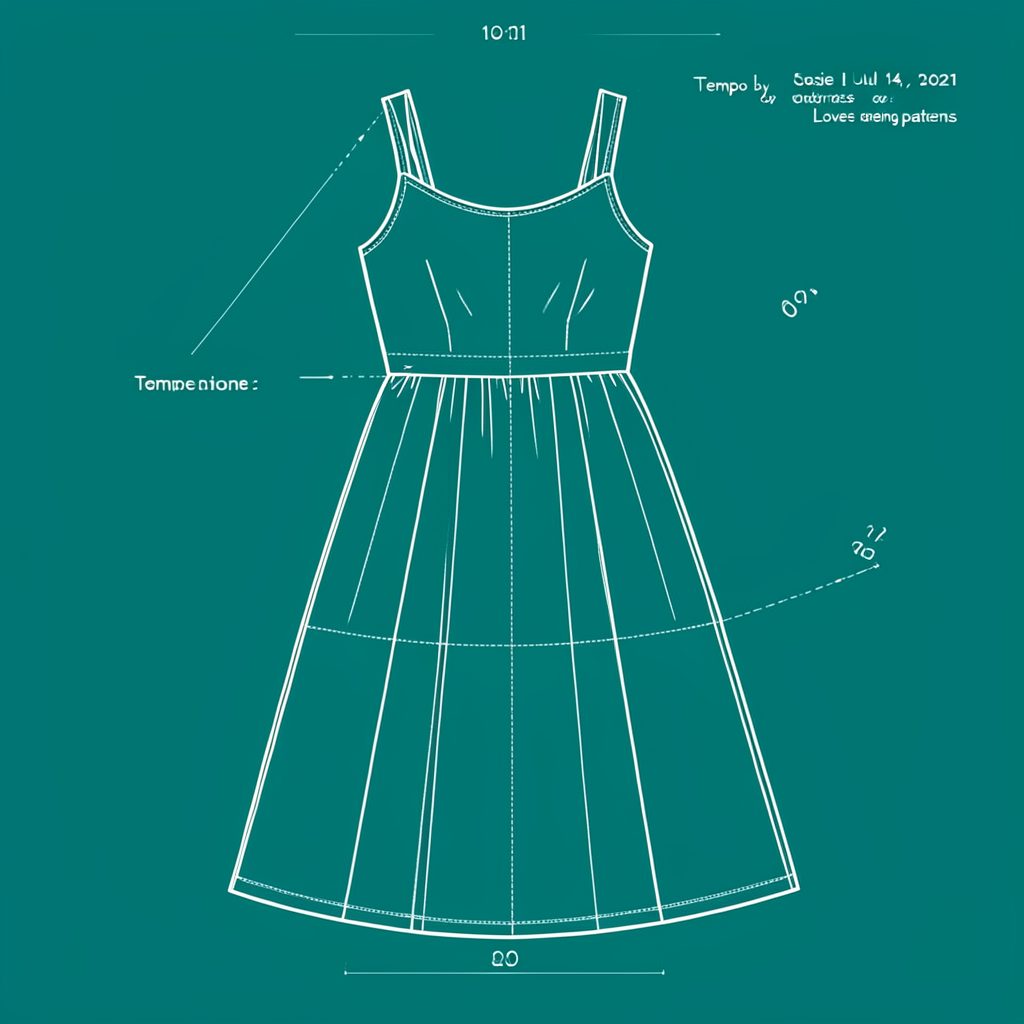
| Tempo Sundress | Love Notions | Sundress | No closures, shirred back panel |
| Arlington Sweater | Love Notions | Sweater | Cold-weather staple |
| Sybil Illusion Skirt | Love Notions | Skirt (knit) | 7 variations, optional pockets |
| Camden Pinafore | Nina Lee Patterns | Pinafore dress | Year-round layering piece |
| Ogden Cami (dress hack) | True Bias | Cami / Dress | Versatile wardrobe builder |
| Burda 6829 | Burda | Dress | Multi-sized, special-occasion |
Stay in Touch
Subscribe to the newsletter for sewing inspiration, pattern tips, and project ideas delivered straight to your inbox.