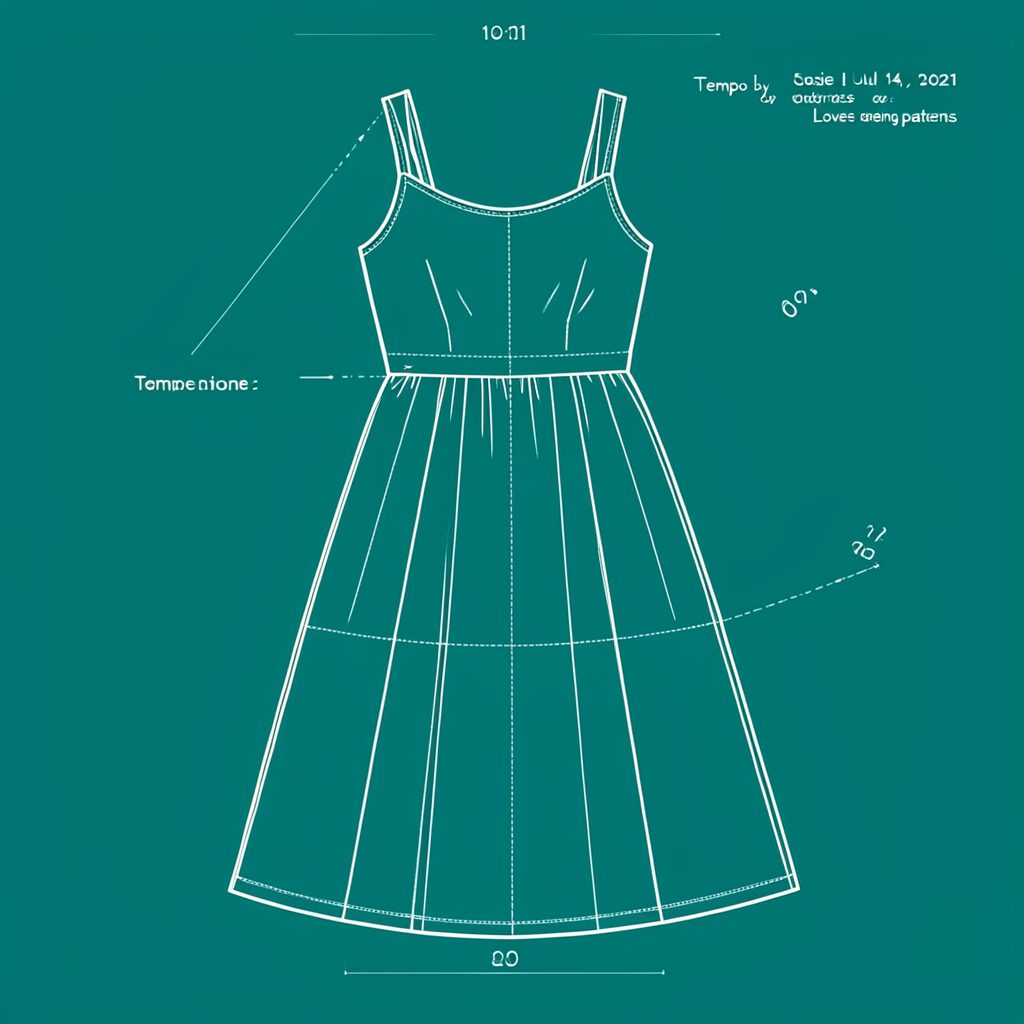
A practical guide to cotton lycra for close-fitting knits
Cotton lycra is a jersey knit made from cotton and elastane, often called spandex. The elastane adds stretch and recovery, while cotton keeps the surface soft and comfortable against skin. That combination suits leggings, skirts, tops and other close-fitting garments, but it also makes careful fabric selection important: a pattern size cannot guarantee the same fit in every cotton lycra.
Composition tells only part of the story. A 95% cotton and 5% elastane jersey usually feels more stable than an 80/20 blend, while higher elastane content generally improves stretch and recovery. “Cotton lycra” is not a regulated specification, so check the full fibre content, fabric weight, stretch percentage and care label. Modal or bamboo viscose may also appear in a cotton-rich blend and will behave differently from a pure cotton jersey.
Australian fabric shops commonly sell by the metre, so check the usable width instead of assuming a standard bolt. Ask an online seller for weight, stretch and shrinkage details, since photographs cannot show how a knit relaxes after wear. An op shop remnant can also suit a make-do-and-mend project, provided its width and recovery meet the pattern needs.
A fabric that feels perfect on the cutting mat can still twist or grow after sewing. Close-fitting garments need accurate measurements and careful handling from the first cut through washing.
Know what you are buying
Cotton lycra is usually a single jersey knit, so the fabric stretches both across and along the grain. Many sewing patterns describe it as four-way stretch, although the amount of give varies with fibre blend, knit construction and finishing. A brushed or ribbed surface may recover less smoothly than a plain jersey, even when both labels show the same elastane percentage.
The elastane content sets the general character. Five percent gives a stable, comfortable stretch for simple tops and gathered skirts; ten percent suits leggings and bodycon styles more closely. Twenty percent provides greater extension and snap-back, but can cling more and may place greater stress on seams. Always request a swatch when a description gives only “stretch knit” without percentages.
Online shopping is convenient across Australia, but check delivery, returns and privacy terms before sharing personal details; Josie's privacy details show why a clear policy is worth reading. Sellers should also state whether the listed width is the full usable width or includes an unusable selvage.
Match weight, stretch and recovery
Fabric weight is usually listed in grams per square metre, or gsm. Lightweight jersey around 160–200 gsm works for summery tops and layering pieces; 200–260 gsm is more suitable for leggings and skirts; heavier knits offer more coverage and structure. Weight alone does not determine opacity, so hold the fabric to a window and check it against a dark undergarment in the colour you plan to use.
Test stretch and recovery on a generous swatch. Stretch it gently across and lengthwise, hold for several seconds, then release it on a flat surface. It should return close to its original shape without a pronounced ripple or permanent extension. The best stretch figure is useful only when paired with good recovery, because a fabric that extends easily but stays extended can distort a fitted garment.
Climate and use matter as much as numbers. Humid weather around Brisbane can make a clingy, thin knit uncomfortable, while Melbourne's changeable days reward a midweight layer that can sit over a tee. In cooler Tasmania, a denser cotton lycra may be useful for skirts and leggings worn under jeans. Opposites, lining and carefully chosen opacity all change how the same fabric feels.
Get the fit from the pattern
Australian pattern packs may use AU sizing, but the measurement chart remains more useful than the letter or number. Compare the pattern's finished garment measurements with a similar garment you already like, then check how much negative ease it uses. A close-fitting knit often needs less ease than the same design in woven fabric, and cutting a size larger is not a reliable fix if the pattern already accounts for stretch.
Pattern reviews should also be read for construction details, not just size recommendations. Josie's Avery leggings review shows how fabric choice changes the proportions and fit of a leggings pattern. If the pattern gives a fabric stretch range, test the actual cotton lycra before committing to a size, and make a quick muslin if the garment is fitted or unusual.
Cut stretch fabric without distortion
Prewash the fabric according to its care label before cutting. Some knits relax slightly after washing even when they contain elastane, and a prewashed length makes pattern matching more reliable. Buy enough length to allow matching pieces across the width, then compare the washed and unwashed measurements rather than assuming all shrinkage has happened at once.
Cut with the fabric relaxed, using a sharp rotary cutter or dressmaker's shears. Keep the grainline parallel to the selvedge and avoid pulling the knit sideways to “make” it fit the pattern. Use clips in place of pins where possible, because pin holes can remain visible in stretch fabric, and place pattern weights without stretching the cloth.
Stitch smooth, flexible seams
A stretch needle, such as a 70/10 NM, 75/11 or 80/12, reduces skipped stitches and damaged holes. Pair it with a quality polyester thread and use a short stitch length so the seam can extend without puckering. Test the needle, thread and stitch on an offcut from the same fabric, since a woven thread and a stretch jersey may need different tension.
A walking foot or overlocker can help manage a bulky seam, but the needle plate should allow the knit to feed without dragging. On a machine with differential feed, adjust it so the seam layer advances evenly without stretching the upper edge. A three-needle overlocker is useful for clean internal seams, while a plain seam with a stretch stitch can work well when the edges are not enclosed.
Heat needs control because cotton fibres can scorch and heat can relax thermoplastic elastane, distorting an over-stretched seam. Use a low-to-medium iron temperature, a pressing cloth and short touches rather than dragging the iron across the fabric. A decorative iron-on lettering project offers a useful example of following a timed heat application, although a cotton lycra garment should always be tested in a hidden spot first.
Wash it so the fit lasts
Follow the garment label, but for many cotton lycra pieces that means washing cool on a gentle cycle, turning the garment inside out and using a mesh bag. Skip fabric softener, which can coat the elastane and reduce its performance. Avoid the tumble dryer when possible; reshape the garment gently and dry it flat or hang it in shade to minimise heat-related shrinkage and distortion.
Pilling, abrasion and fading are separate concerns. Test a coloured fabric against a white cotton cloth, and check whether the surface has a tendency to fluff after rubbing. Australia's strong UV can fade darker shades, so line-dry laundry out of direct sun and store rarely worn pieces away from a sunny window. An op shop cotton lycra garment may need gentler washing than a newly made one, especially once its fibres and elastic have been worn.
Choose the blend for the project
The project sets the required balance of stretch, opacity, drape and strength. A stretchy jersey works for a fitted tee, a more stable cotton lycra suits an A-line skirt, and a high-recovery blend is usually the safer choice for leggings. Always let the supplier's fabric description support the pattern's stated stretch range.
| Fabric blend | Stretch and recovery | Best suited to | Main caution |
|---|---|---|---|
| 95% cotton, 5% elastane | Gentle stretch with good everyday stability | Tops, simple skirts, soft trousers | May relax at seams over time |
| 90% cotton, 10% elastane | Balanced give and recovery | Jersey tops, dresses, fitted skirts | Check opacity under stretch |
| 80% cotton, 20% elastane | High extension with strong snap-back | Leggings, dancewear, close-fitting layers | Can cling and place more strain on seams |
| Cotton, modal and elastane | Soft hand and fluid drape | Dressier tops and drapey skirts | May abrade sooner than cotton-rich jersey |
A smooth 95/5 jersey may be forgiving for a first knit project, while 90/10 or 80/20 gives a leggings pattern more stretch and recovery. These percentages are guides rather than guarantees because yarn construction and fabric finishing can change the performance.
Before cutting, wash a swatch, measure its recovery and compare it with the pattern requirements. The most reliable fit comes from matching the actual fabric behaviour to the pattern rather than relying on the fibre name alone.
Popular Pattern Reviews
| Pattern | Designer | Type | Highlight |
|---|---|---|---|
| Compose Robe (Kids) | Love Notions | Robe / Loungewear | Sizes 2T–16, cosy & practical |
| Tempo Sundress | Love Notions | Sundress | No closures, shirred back panel |
| Arlington Sweater | Love Notions | Sweater | Cold-weather staple |
| Sybil Illusion Skirt | Love Notions | Skirt (knit) | 7 variations, optional pockets |
| Camden Pinafore | Nina Lee Patterns | Pinafore dress | Year-round layering piece |
| Ogden Cami (dress hack) | True Bias | Cami / Dress | Versatile wardrobe builder |
| Burda 6829 | Burda | Dress | Multi-sized, special-occasion |
Stay in Touch
Subscribe to the newsletter for sewing inspiration, pattern tips, and project ideas delivered straight to your inbox.