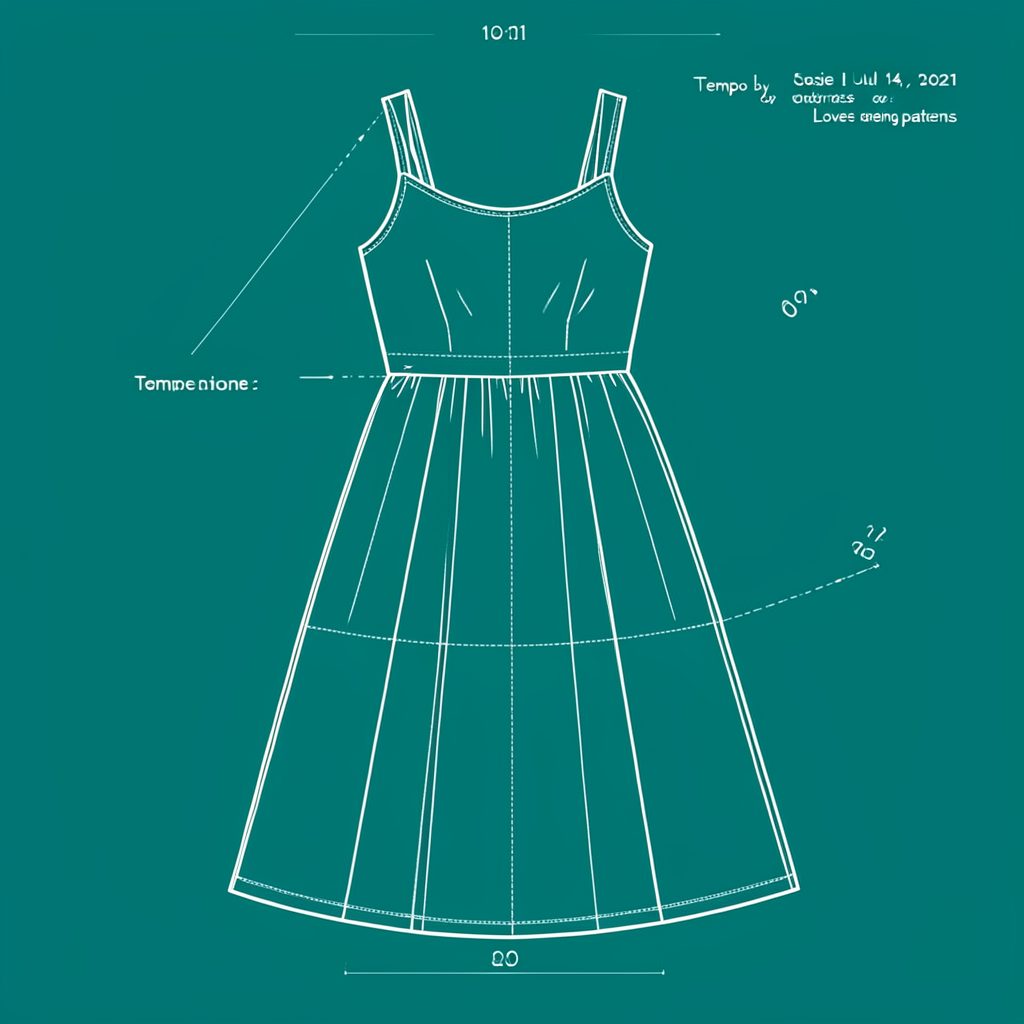
Voile Fabric Guide For Light And Breezy Summer Sewing
Voile is a finely woven fabric made for garments that need movement, airflow and a soft hand. Usually produced from cotton, it can also contain rayon, polyester or a blend, giving it different levels of drape, opacity and resistance to creasing. Its light weight makes it especially useful for warm-weather layers. Learn more about Fabric Spotlight Stretch Velvet For Holiday Makes.
For Australian sewing, voile suits the kind of clothes that work from a sunny walk in Perth to an air-conditioned office in Melbourne. It can form a cool blouse, a loose dress, a gathered skirt, a sun-covering overshirt or a floaty scarf. The key is choosing the right weight and planning for its delicate structure before cutting.
This fabric rewards careful preparation. A freshly washed voile can shrink, shift beneath the machine needle and reveal every uneven seam. With prewashing, a sharp needle and a few thoughtful construction choices, it becomes an approachable option for both beginners and experienced home sewists.
Understanding Voile’s Hand And Drape
Cotton voile has a smooth, slightly crisp surface when new, followed by a softer feel after laundering. It is lighter and more transparent than lawn, though the difference depends on the weave and finish. Rayon voile generally falls closer to the body and may have a fluid, almost liquid drape, while polyester versions resist wrinkles and dry quickly.
The open, fine weave allows air to circulate, which is welcome during humid Queensland summers and hot afternoons in Sydney. It also means the cloth can catch on rough jewellery, Velcro or an abrasive cutting table. Run your hand over the fabric before buying and check whether the surface feels stable or loosely woven.
Transparency is part of the design appeal, but it needs to be considered early. A pale voile may need a lining, a slip, a double layer or strategic placement over a camisole. Prints can disguise sheerness better than plain colours, while darker shades often provide more coverage without making a garment feel heavy.
Choosing A Suitable Weight And Fibre
Start by matching the fabric to the garment rather than choosing purely by colour. A firm cotton voile can support a simple gathered top, whereas a very fluid rayon voile may be better for a softly draped blouse. For a full skirt or dress, test how the fabric falls when held from one corner; excessive cling or limpness can make fitting more difficult.
| Voile Type | Best Uses | Main Strength | Points To Watch |
|---|---|---|---|
| Cotton voile | Blouses, shirts, dresses and scarves | Breathable and easy to press | Can crease and remain sheer |
| Rayon voile | Draped tops, skirts and loose dresses | Fluid movement and soft fall | May shift, fray and stretch |
| Polyester voile | Cover-ups and travel layers | Quick drying and wrinkle resistance | Can feel warmer or less natural |
| Double voile | Dresses, skirts and fuller tops | More coverage with gentle drape | Uses extra fabric and may feel heavier |
| Printed voile | Casual summer garments | Pattern helps disguise transparency | Matching the print can increase fabric use |
For a wearable project, consider your local conditions and laundry habits. Someone in Darwin may value quick drying and loose coverage, while a sewist in Hobart may prefer a double layer or a voile garment worn over a camisole. In Australia, air drying is common and practical, so choose a fibre that will tolerate being hung or laid flat without losing its shape.
Check the bolt or online listing for fibre content, width and care instructions. Under Australian Consumer Law, product information must not be misleading, so sellers should accurately describe the material and relevant characteristics. When buying online, allow for colour variation and request a swatch if opacity is important.
Preparing Voile Before Cutting
Prewash voile in the same way you expect to wash the finished garment. Cotton can shrink noticeably, particularly after its first warm wash, so laundering a small sample is useful when the fabric is expensive or the pattern has a close fit. Avoid assuming that “pre-shrunk” means completely stable.
Once dry, press the fabric gently and square one edge before laying it out. A large cutting mat, fine pins and pattern weights can help prevent distortion. Tissue paper underneath the fabric may reduce shifting, especially with rayon voile, and a rotary cutter can produce a cleaner edge than scissors on slippery cloth.
Plan for fraying as soon as the fabric is cut. French seams, a narrow overlocked finish or a neat zigzag can protect seam allowances. If the project includes gathers, sew two rows of long basting stitches rather than pulling one thread aggressively. This spreads the fullness more evenly and reduces the chance of snapping delicate threads.
Selecting Patterns For Summer Layers
Voile works beautifully with patterns that have ease and movement. Loose button-up shirts, tiered dresses, wide-leg trousers, unlined kimonos and gathered skirts all allow the fabric to show its soft drape. Very fitted designs can work, but they may need a stable lining or a firmer voile to prevent the garment from looking stretched.
An indie pattern with clear construction steps is particularly helpful when handling sheer fabric. The Penny Dress Review offers useful inspiration for considering silhouette, fabric behaviour and the practical details that affect everyday wear. Look for designs with manageable seam lines and avoid placing heavy pockets or bulky closures on very light fabric.
For Australian wardrobes, a voile overshirt can be worn over a singlet with linen shorts, while a long-sleeved blouse offers useful sun coverage on a coastal walk. In Brisbane, a loose voile layer can be more comfortable than a close-fitting jacket in humid weather. In Melbourne, it can sit over a dress and provide a light extra layer when temperatures change during the day.
Sewing Techniques For A Neat Finish
Use a new 60/8 or 70/10 universal or microtex needle and test the stitch on scraps. A shorter stitch length, around 2 to 2.5 millimetres, often gives a secure seam without creating a perforated tear line. Reduce presser-foot pressure if your machine allows it, and use a fine thread rather than a thick topstitching thread.
A narrow hem is a reliable finish for voile, especially on curved edges and sleeves. Press the first fold carefully, stitch close to the inner edge, then trim and fold again if the fabric allows. For a more decorative result, a baby hem or rolled hem on an overlocker can look polished, though testing is essential because some machines pull lightweight cloth into the needle plate.
Interfacing needs restraint. Choose a lightweight fusible that matches the fabric’s softness and test it on a spare piece before applying it to a collar, cuff or button band. If the interfacing makes the area visibly stiff, sew-in organza or a second layer of voile may provide better support.
Caring For Finished Voile Garments
Wash a finished garment according to its fibre content and the pattern’s recommendations. Cold or lukewarm water, a gentle detergent and a delicate cycle are usually safer than hot washing. Place fragile garments in a laundry bag and avoid mixing them with towels, bras or anything fitted with Velcro.
Air dry away from harsh direct sun, particularly in places such as Perth or Adelaide where strong UV can fade prints quickly. Smooth the garment while damp and use a cool iron if needed. Rayon voile may benefit from being dried flat until most of the moisture has left it, as hanging it heavily wet can lengthen the garment.
Store lightweight pieces folded rather than on narrow hangers, which can leave shoulder points or stretch delicate seams. Keep finished garments away from rough cedar hangers, exposed zips and crowded drawers. For fabric-buying ideas beyond voile, this UK Fabric Shop Guide can also help when comparing independent retailers, deadstock finds and online swatch services.
Voile is easy to combine with other summer textiles. Cotton lawn can provide a slightly more opaque lining, linen-rayon can add structure to a layered outfit, and lightweight denim can balance a sheer blouse. Even a storage idea such as this barrel storage project can spark a practical way to keep fabric offcuts, pattern paper or seasonal accessories organised in a sewing space.
Making Voile Work Beyond Summer
Although voile is strongly associated with hot weather, it can extend into transitional wardrobes. Layer a long voile shirt over a fitted knit in early autumn, add a slip beneath a printed dress, or use a double layer for a softer top that works under a cardigan. The fabric becomes a bridge between bare summer clothing and more substantial seasonal pieces.
Colour and print can also change its usefulness. White and pale blue create a fresh beach or resort feel, while rust, olive and plum can look more grounded with denim and boots. A tiny floral print may suit a gathered dress, whereas stripes or checks can give a simple shirt a more structured appearance.
The most successful voile projects respect the fabric’s lightness. Choose a pattern with breathing room, support areas that carry stress, finish the seams neatly and allow the cloth to move. With those decisions in place, a metre or two of voile can become a comfortable, useful layer suited to Australia’s varied climate and everyday wardrobe.
Popular Pattern Reviews
| Pattern | Designer | Type | Highlight |
|---|---|---|---|
| Compose Robe (Kids) | Love Notions | Robe / Loungewear | Sizes 2T–16, cosy & practical |
| Tempo Sundress | Love Notions | Sundress | No closures, shirred back panel |
| Arlington Sweater | Love Notions | Sweater | Cold-weather staple |
| Sybil Illusion Skirt | Love Notions | Skirt (knit) | 7 variations, optional pockets |
| Camden Pinafore | Nina Lee Patterns | Pinafore dress | Year-round layering piece |
| Ogden Cami (dress hack) | True Bias | Cami / Dress | Versatile wardrobe builder |
| Burda 6829 | Burda | Dress | Multi-sized, special-occasion |
Stay in Touch
Subscribe to the newsletter for sewing inspiration, pattern tips, and project ideas delivered straight to your inbox.