Camouflage Print Fabric For Practical Utility Style
Camouflage print has moved well beyond traditional field jackets. In contemporary sewing, it can bring a relaxed, workwear-inspired edge to an overshirt, cargo skirt, utility vest or roomy pair of trousers. The print feels practical, but the right fabric and pattern can make it look polished rather than costume-like. Learn more about Domowe Spa Dla Rąk Po Długim Dzierganiu.
For Australian sewists, camouflage can be especially useful in a wardrobe built for changeable days. A lightweight cotton version suits a warm Brisbane afternoon, while cotton drill or washed twill has enough substance for crisp mornings in Melbourne or a windy coastal walk near Adelaide. Learn more about Coles Corner And Creations.com.
This fabric spotlight looks at camouflage cloth through a practical sewing lens: fibre content, scale, colour, garment design and finishing. The goal is an everyday utility style that feels comfortable at the shops, a weekend market or a backyard barbecue.
Choosing Camouflage Fabric That Works
The word camouflage describes the print, not the cloth itself. You may find the pattern on cotton poplin, canvas, stretch twill, ripstop, rayon blends and even waterproof outdoor fabric. Each option behaves differently under a sewing machine, so checking the fibre content and fabric weight matters more than choosing a particular colourway.
Lightweight cotton poplin is breathable and easy to gather, making it suitable for shirts, loose dresses and simple bucket hats. Cotton drill offers more body for chore jackets, cargo pants and overshirts. Ripstop has a subtle reinforced grid and is often lighter than canvas, which makes it handy for utility bags, windbreakers and casual outer layers.
Stretch camouflage twill can be a good choice for fitted trousers or a structured skirt, provided the pattern allows for its percentage of elastane. Test the recovery before cutting. A fabric that stretches comfortably but stays baggy at the knee may need a different design or a closer-fitting waistband.
Before ordering online, compare the listed width, weight and fibre blend. Australian fabric prices can vary sharply once postage is added, especially when buying from interstate sellers. A local remnant shop or a stall at a Melbourne craft market may offer a small cut that is perfect for a trial garment.
Balancing A Strong Print With Wearable Design
Camouflage is visually busy, so garment shape becomes an important part of the styling. Clean lines, large pockets and simple closures let the fabric do the work. A classic button-front overshirt in camo cotton can be worn over denim, while a pair of drawstring utility trousers works well with a plain tee or linen shirt.
Print scale changes the impression of the finished garment. Small mottled shapes can look almost neutral from a distance, while large irregular patches create a bolder statement. Check the fabric in natural light and hold it several steps away before deciding whether it suits a full garment or would be better used for pockets, collars and panels.
A directional print also affects cutting. Although classic camouflage is often non-directional, some contemporary versions include leaves, abstract brush marks or contrasting bands. Place pattern pieces on a single layer if necessary, and allow extra time to match the visual flow across a centre front, pocket flap or sleeve.
Details That Keep Utility Style Refined
- Choose matte buttons, snaps or metal hardware rather than adding several competing finishes.
- Use plain olive, tan, black or ecru fabric for facings, waistbands and pocket bags.
- Keep topstitching consistent, especially around patch pockets and cargo seams.
- Limit additional trim so the garment stays useful rather than theatrical.
A capsule wardrobe approach makes camouflage easier to wear. One camo layer can become the focal point, while the rest of the outfit stays quiet. Khaki, cream, faded blue denim and warm brown all soften the military association and make the print feel more like modern workwear.
Matching Fabric Weight To The Pattern
Pattern choice should follow the fabric’s structure. A soft rayon camouflage may drape beautifully but will not support a sharp utility jacket. Conversely, heavy canvas can overwhelm a gathered blouse and create bulky seams. Read the pattern recommendations, then compare them with the fabric’s weight, drape and stretch before cutting.
The table below gives a quick starting point for common camouflage materials and projects.
| Camouflage fabric | Best qualities | Suitable projects | Sewing considerations |
|---|---|---|---|
| Cotton poplin | Light, breathable, easy to press | Shirts, skirts, dresses, linings | May need interfacing for collars and plackets |
| Cotton drill | Stable, durable, structured | Cargo trousers, overshirts, chore jackets | Use a denim needle and grade bulky seams |
| Stretch twill | Comfortable, supportive, slightly flexible | Fitted trousers, skirts, utility dresses | Test stretch and recovery before cutting |
| Ripstop | Lightweight, strong, casual | Vests, bags, lightweight jackets | Avoid excessive unpicking, which can mark the weave |
| Canvas | Firm, hard-wearing, substantial | Tote bags, work jackets, accessories | Reduce layers at corners and pocket joins |
Pre-washing is essential for cotton drill, poplin and twill. Wash the fabric in the same way you expect to launder the garment, then dry it fully before measuring. In Australia, a hot clothesline can make shrinkage appear quickly, but strong sun may also fade dark greens and blacks over time.
A pressing cloth is useful when working with darker prints, particularly if the fabric has a slightly waxy finish. Press seams as you sew, but avoid flattening every area of a garment that is meant to retain relaxed volume. Utility clothing benefits from a little ease and movement.
Construction Details That Make It Last
Camouflage garments often include functional features such as patch pockets, tabs, belt loops, epaulettes and front plackets. These details can turn a straightforward project into a satisfying technical sew, although they also add stress points. Reinforce pocket corners with a bar tack or a short line of dense zigzag stitching.
Topstitching is a strong design tool here. Matching thread creates a quiet, professional finish, while a contrasting sand or tobacco shade highlights the workwear character. Use a longer stitch length on heavier cloth and practise on scraps before sewing the visible lines.
A clean inside finish matters when the fabric is firm or slightly coarse. Hong Kong seams, bound seams or a narrow overlocked edge can reduce irritation, particularly in a jacket worn over a singlet. For a lined garment, Josie’s lined armholes guide is a useful reference when you want the armhole to sit smoothly.
If you are sewing after a long day at work, pace the project across several sessions. Cutting, interfacing and pocket preparation can be completed separately from construction. Makers who also knit or crochet may appreciate a simple hand-care routine before handling repeated layers and detailed topstitching.
Finishes Worth Planning Before Cutting
- Reinforce pocket openings and belt-loop ends before final pressing.
- Add a hanging loop to jackets and overshirts for practical storage.
- Use a sturdy needle suited to the fabric weight.
- Label pattern pieces clearly when several pockets look similar.
Styling Camouflage For Australian Everyday Life
The Australian climate gives utility garments plenty of opportunities, but fabric choice should reflect the region. In humid Queensland, a loose cotton poplin shirt is more comfortable than a lined drill jacket. In cooler Tasmania or during a Victorian winter, a substantial overshirt can work over merino, a tee or a lightweight knit.
For city wear in Sydney or Melbourne, camouflage looks balanced with clean sneakers, a simple black dress or tailored trousers. At a weekend market in Hobart or a country town in New South Wales, a camo chore jacket pairs naturally with denim and practical boots. The key is to select one print-led item rather than making every layer compete.
Australian shoppers are also increasingly familiar with fabric remnants, deadstock and small-batch indie patterns. That suits camouflage particularly well because a half-metre piece can become a cap, tote, pocket detail or contrast yoke. Explore independent sewing ideas through Josie’s sewing blog or browse DIY projects for ways to adapt a print to the amount of cloth available.
Care is part of the style decision. Dark camouflage may fade attractively with gentle washing, but repeated hot washes can shorten the life of cotton and elastane. Follow the fabric supplier’s advice, turn garments inside out and line-dry them in bright Australian sunlight for shorter periods when possible.
Small Projects For A First Camouflage Experiment
- A structured tote with plain canvas handles.
- A bucket hat with a solid-colour lining.
- Cargo-style patch pockets added to an existing skirt.
- A lightweight overshirt using a simple button-front pattern.
Camouflage print is most successful when its practical character is supported by thoughtful construction. Choose a fabric with the right weight, simplify the surrounding outfit and give the details enough attention to make them durable. The result can feel distinctly utility-inspired while still fitting naturally into an everyday Australian wardrobe.
Popular Pattern Reviews
| Pattern | Designer | Type | Highlight |
|---|---|---|---|
| Compose Robe (Kids) | Love Notions | Robe / Loungewear | Sizes 2T–16, cosy & practical |
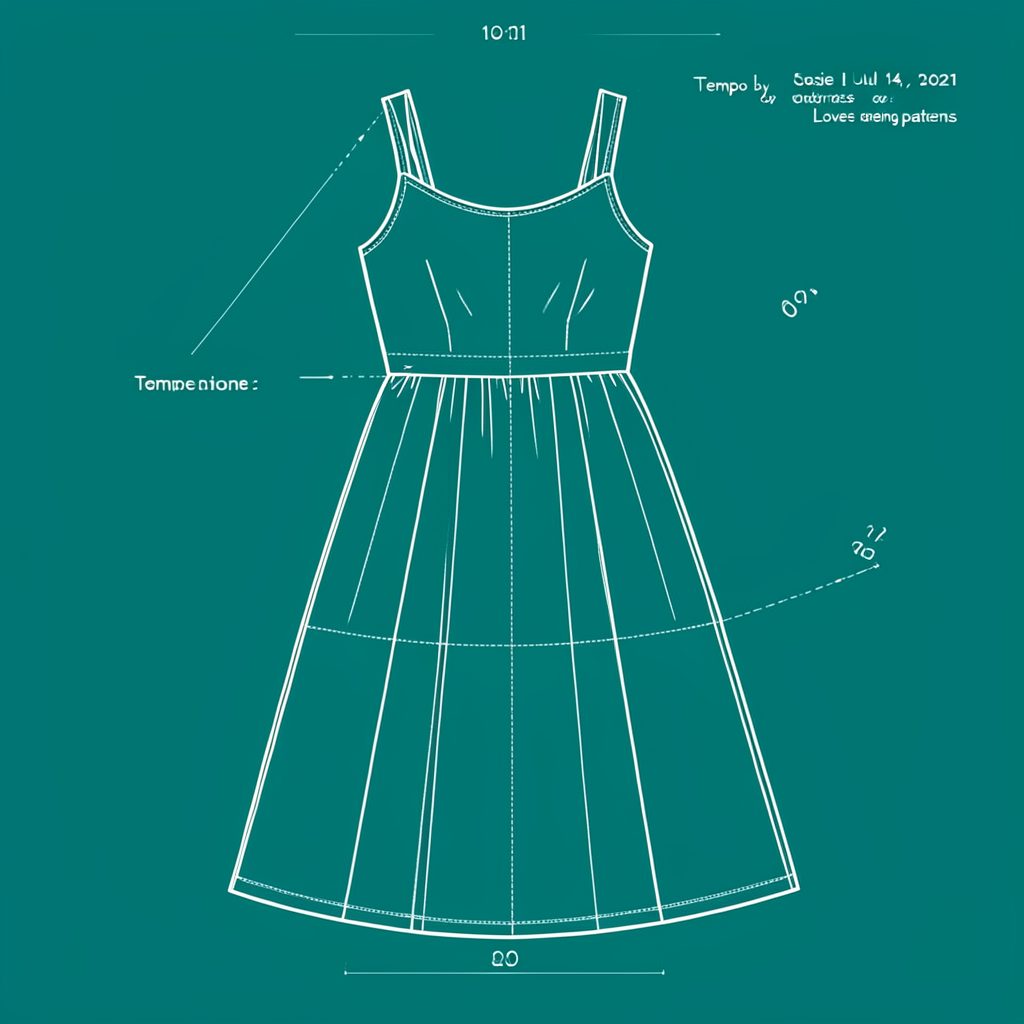
| Tempo Sundress | Love Notions | Sundress | No closures, shirred back panel |
| Arlington Sweater | Love Notions | Sweater | Cold-weather staple |
| Sybil Illusion Skirt | Love Notions | Skirt (knit) | 7 variations, optional pockets |
| Camden Pinafore | Nina Lee Patterns | Pinafore dress | Year-round layering piece |
| Ogden Cami (dress hack) | True Bias | Cami / Dress | Versatile wardrobe builder |
| Burda 6829 | Burda | Dress | Multi-sized, special-occasion |
Stay in Touch
Subscribe to the newsletter for sewing inspiration, pattern tips, and project ideas delivered straight to your inbox.