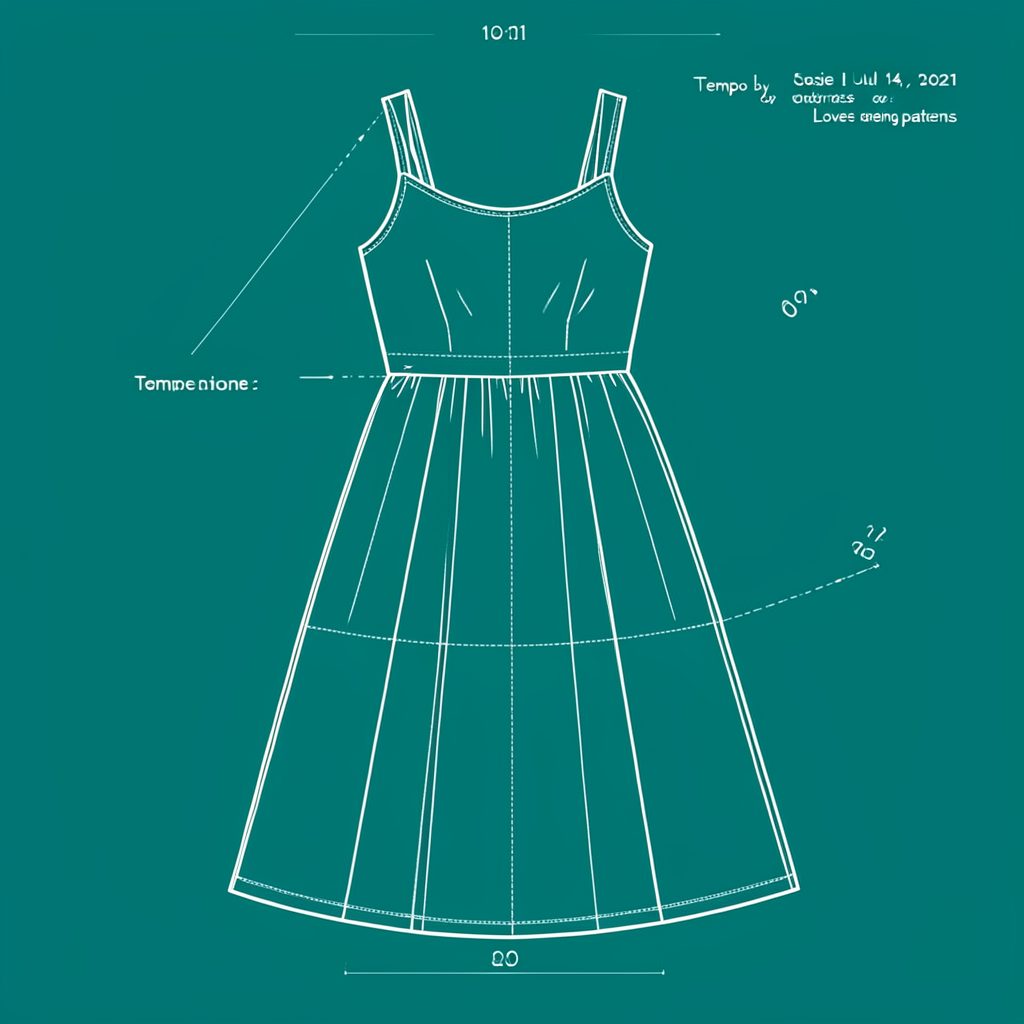
Pattern Review: The Papercut Patterns Adrift Kimono
The Papercut Patterns Adrift Kimono is the sort of garment that can transform a simple outfit without demanding complicated tailoring. Its relaxed shape, generous sleeves and wrap-style construction give it an easy, architectural look, while the relatively straightforward sewing makes it approachable for an intermediate maker.
This is a useful pattern for anyone who enjoys garments that sit between a jacket, cardigan and robe. It can be thrown over jeans and a T-shirt, layered above a summer dress or made in a polished fabric for evenings out. The final effect depends greatly on fabric choice, since the same pattern can look structured, fluid, dramatic or wonderfully casual.
For Australian sewists, the kimono shape has practical appeal across a wide range of climates. A linen or cotton version suits warm days in Brisbane, while a wool blend or heavier jacquard could work as an indoor layer during a cool Melbourne winter. In Sydney, Adelaide or Perth, it can bridge the change between mild daytime temperatures and cooler evenings.
The pattern also makes a thoughtful stash project. It does not rely on a close-fitting block, and a fabric with attractive colour, texture or print can do much of the visual work. Before cutting, however, it is worth considering sleeve volume, finished length and how the fabric will behave around the body.
Style And Silhouette
The defining feature of the Adrift Kimono is its generous, unfussy silhouette. The dropped shoulder and wide sleeves create a soft line from the upper body, with plenty of ease through the torso. This gives the garment a modern feel rather than the neat, fitted appearance of a traditional jacket.
The front opening keeps the design easy to wear. Depending on the version and fabric, it can read as a relaxed outer layer or a more elegant statement piece. A narrow belt or tie helps control the volume, although the kimono also looks appealing worn open. The design is forgiving around the waist, which makes it comfortable after a long day at work or while travelling.
Proportion deserves attention. On a petite frame, the combination of wide sleeves and a long body may feel overwhelming if the length is left unchanged. Taller sewists may appreciate the drama but should still check sleeve reach and the position of the belt or front edge. Comparing the finished measurements with a favourite jacket is more useful than relying on a standard size alone.
Fabric Choice And Cutting
Light to medium-weight woven fabrics are the safest starting point. Linen, linen blends, cotton voile, cotton lawn, rayon and drapey crepe can all produce attractive results, although each will create a different personality. Linen gives the kimono a relaxed, textured finish; rayon emphasises movement; and a crisp cotton makes the edges look more graphic.
Very slippery cloth can be challenging during cutting and construction. Rayon and silk-like fabrics may shift under the scissors, particularly across large pattern pieces. Using a fresh rotary-cutter blade, pattern weights and a stable cutting surface makes a noticeable difference. Prewashing should follow the fabric’s care instructions, especially when the finished piece will be washed regularly.
Australian sewists often work around a strong local preference for breathable natural fibres. A linen kimono is useful in hot, dry areas such as Perth or Adelaide, while a lighter rayon may feel more comfortable in humid Brisbane. Fabric shops and online retailers can vary widely in width, so calculate yardage carefully and check whether the pieces need to be cut on a fold.
Print direction is another important consideration. A bold stripe, border print or large-scale floral may require extra fabric and careful placement. The kimono’s roomy panels offer an excellent canvas for pattern matching, but ignoring the design direction can make an otherwise beautiful garment look accidental.
Construction And Instructions
The construction is less intimidating than the finished shape suggests. Large sections are joined with relatively uncomplicated seams, and the loose fit means there is no highly technical bust or waist shaping to negotiate. Accurate pressing is essential, however, because relaxed garments can quickly look untidy when seams are not settled properly.
The front edges and hem deserve particular care. Depending on the fabric, a neat narrow hem, turned facing or bias finish can help preserve the kimono’s clean outline. Staystitching curved or angled areas where necessary will reduce stretching, while trimming bulky seam allowances prevents the front bands from becoming heavy.
I would recommend making a test version if you are unsure about length or sleeve width. A muslin fitting guide explains why a quick sample can reveal proportion issues before valuable linen or rayon is cut. Even a partial toile made from an old sheet can show whether the shoulder falls comfortably and whether the sleeve opening suits your everyday movement.
The pattern is approachable, though beginners should take time to identify every piece before sewing. The relaxed design can create false confidence: a small cutting error may be hard to spot until the front edges or sleeves are attached. Marking notches, labelling mirrored pieces and pressing after each seam will keep the project controlled.
Fit And Wearability
Fit is relatively forgiving because the Adrift Kimono is designed with ease rather than close body-skimming lines. The most important measurements are the finished length, sleeve length and overall width. If you prefer a neater layer beneath a coat, consider whether the sleeve will bunch at the upper arm or wrist.
The generous sleeves are visually appealing but can be less practical for cooking, gardening or washing dishes. A shortened sleeve may make the garment more useful for daily wear, particularly in warmer regions. A full-length version creates more drama and coverage, although it may need extra attention when sitting or carrying a handbag.
In Australia, this kind of layer can earn a regular place in a wardrobe because indoor and outdoor temperatures often differ sharply. Air conditioning in offices, shops and cinemas can make a lightweight cover-up useful even during summer. It also packs more easily than a structured jacket for trips between cities or a weekend away.
The design works with casual and elevated styling. Wear it with straight-leg denim and sandals for an everyday outfit, or choose a fluid black fabric over a slip dress for a more polished look. A contrast binding or topstitched edge can add definition without changing the uncomplicated character of the pattern.
Value And Sewing Experience
Papercut Patterns has a strong visual identity, and the Adrift Kimono fits that aesthetic well: contemporary, wearable and slightly unconventional. The pattern offers room for personal interpretation, which is valuable for sewists who like to alter hems, experiment with fabric or add practical details such as pockets.
| Feature | Assessment |
|---|---|
| Difficulty | Manageable for confident beginners and intermediate sewists |
| Best fabrics | Linen, linen blends, rayon, cotton and light wool blends |
| Main fitting points | Finished length, sleeve width and overall body volume |
| Style options | Open, belted, casual or more refined depending on cloth |
| Best use | Lightweight layering across changing seasons |
| Main caution | Large pieces, slippery fabric and excessive sleeve volume |
The pattern is especially appealing when approached as a wardrobe-building project rather than a one-off trend garment. One version in washed linen could become a summer staple, while a second in a darker, more fluid fabric would serve a different purpose. Small changes to sleeve length, hem depth or edge finish can make the versions feel distinct.
Those who enjoy researching the folklore and claims surrounding sewing traditions may also enjoy this pattern myth check, although the practical lesson here is simple: test the fabric and check the fit before committing to the final cut. Online pattern shopping also benefits from careful reading of terms. Australian Consumer Law provides protections for goods that are faulty or misrepresented, but change-of-mind returns are not automatically required, and downloadable patterns may have specific conditions.
For local makers comparing independent labels, the Australian sewing community offers another useful source of project inspiration and handmade perspective. The Adrift Kimono stands out because it balances a striking silhouette with construction that remains achievable at home. With thoughtful fabric selection and a quick fit check, it becomes a versatile, comfortable layer rather than an occasional costume piece.
Popular Pattern Reviews
| Pattern | Designer | Type | Highlight |
|---|---|---|---|
| Compose Robe (Kids) | Love Notions | Robe / Loungewear | Sizes 2T–16, cosy & practical |
| Tempo Sundress | Love Notions | Sundress | No closures, shirred back panel |
| Arlington Sweater | Love Notions | Sweater | Cold-weather staple |
| Sybil Illusion Skirt | Love Notions | Skirt (knit) | 7 variations, optional pockets |
| Camden Pinafore | Nina Lee Patterns | Pinafore dress | Year-round layering piece |
| Ogden Cami (dress hack) | True Bias | Cami / Dress | Versatile wardrobe builder |
| Burda 6829 | Burda | Dress | Multi-sized, special-occasion |
Stay in Touch
Subscribe to the newsletter for sewing inspiration, pattern tips, and project ideas delivered straight to your inbox.