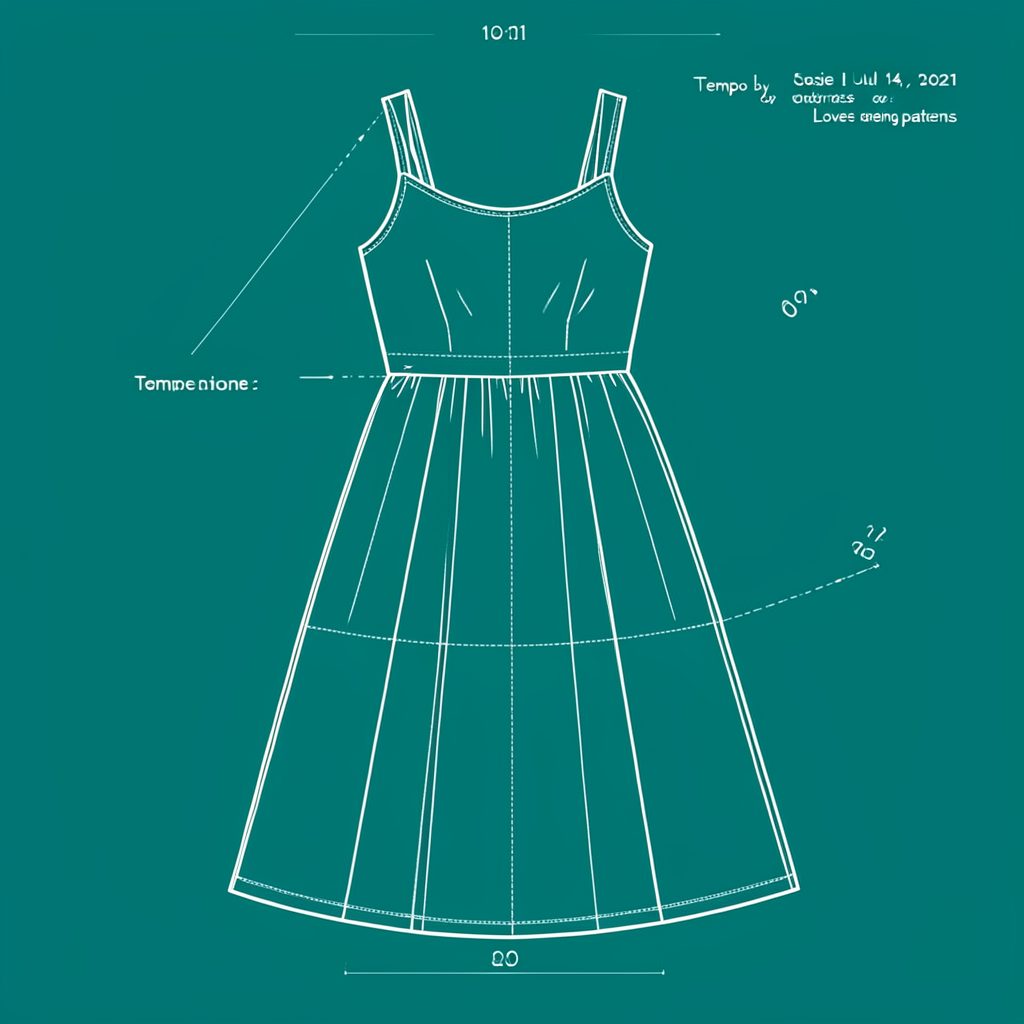
Pattern Review: The Sew Liberated Moneta Dress
The Sew Liberated Moneta Dress is a practical knit pattern with the kind of everyday shape that can earn a regular place in a handmade wardrobe. Its combination of a close-fitting bodice, defined waist and softly gathered skirt gives it enough structure to feel polished while retaining the comfort of stretch fabric. Learn more about Itisjosie.com.
For Australian sewists, this is especially appealing as a year-round design. In a lightweight jersey it can handle warm Brisbane days, while a heavier knit with sleeves works well for cooler Melbourne mornings or a layered winter outfit in Hobart. The pattern also offers a useful opportunity to practise knit construction without committing to an overly complicated silhouette.
| Feature | Review |
|---|---|
| Pattern type | Knit dress with a fitted bodice and gathered skirt |
| Best fabrics | Stable jersey, cotton-spandex, bamboo knit and light ponte |
| Skill level | Confident beginner to intermediate |
| Main strengths | Wearable shape, comfortable fit, adaptable styling |
| Watch points | Stretch recovery, waist gathering and neckline handling |
| Wardrobe role | Casual day dress that can be dressed up |
The shape and design details
Moneta has a flattering, recognisable dress silhouette: the upper body follows the figure, then the skirt releases at the waist. That proportion makes the garment feel feminine without being fussy, and it gives the skirt enough movement for walking, sitting and everyday errands. The gathered section also makes the design forgiving when working with fabrics that do not press into sharp pleats.
The pattern is strongest when treated as a versatile base rather than a special-occasion dress. A plain solid knit lets the waistline and skirt shape take centre stage, while stripes, florals or small-scale prints create a more relaxed result. Shorter sleeves suit Australian summer wardrobes, whereas three-quarter or long sleeves make the same pattern useful through autumn and winter.
Choosing fabric and size
A fabric with reliable two-way stretch and good recovery is important. Cotton jersey with a little elastane is an approachable option, while bamboo blends create a soft, drapey dress with a fluid skirt. Lightweight ponte can provide extra support through the bodice, although a very firm ponte may make the gathers feel bulky.
Before cutting, compare your body measurements with the finished garment information and consider how much ease you prefer. Knit dresses can look very different depending on whether the bodice is close fitting or relaxed. It is worth making a quick test section, particularly around the bust and waist, rather than relying only on a familiar ready-to-wear size.
Knit fabric can be awkward to fold and cut when it curls at the edges, so careful preparation saves time. I keep a fabric-folding reference nearby when organising slippery yardage, especially when matching a directional print or checking that the grain is sitting correctly.
Preparing the pattern
The paper or digital pattern should be checked carefully before cutting, including the lengthen-and-shorten lines and the direction of stretch marked on each piece. The skirt may appear straightforward, but its volume means that a small cutting error can become noticeable at the side seams or hem. A clear cutting layout is useful when working with limited fabric widths commonly found in Australian shops.
Think about the final garment before choosing the length. A midi version can be elegant with sandals or ankle boots, while a shorter hem gives a youthful casual feel. If you are between sizes, consider where you want the dress to skim and where you need movement. The bodice and waist usually deserve more attention than the skirt, since the skirt has greater visual and fitting flexibility.
The pattern’s success depends on respecting stretch direction. Cutting the bodice with the wrong orientation can affect comfort, neckline stability and the way the dress settles on the body. Marking the waistline, centre points and gathering area with washable chalk or small snips will make the construction sequence easier to follow.
Sewing the bodice
The bodice is where accuracy matters most. Use a stretch stitch, narrow zigzag or suitable overlocker setting, and test the tension on scraps first. A twin needle can provide a neat finish at hems and sleeve edges, but it is sensible to confirm that the fabric will not tunnel before sewing the actual garment.
The neckline deserves patience because knit edges can stretch while being attached. Stabilising tape or clear elastic may help, depending on the fabric and the instructions. Pressing with a low-to-medium heat setting and a pressing cloth keeps the fabric looking smooth, particularly when using bamboo jersey or darker colours that can develop a shine.
I would sew the shoulder and side seams, then try on the bodice before attaching the skirt whenever possible. This gives an early chance to assess bust coverage, armhole comfort and the position of the waist seam. Small adjustments are much easier before the gathered skirt is added.
Managing the skirt and waist
The gathered skirt is the most distinctive part of the Moneta and also the stage most likely to test a beginner’s patience. Even gathers are easier to achieve when the skirt is divided into manageable sections and the thread is pulled gradually. Avoid drawing the gathers too tightly in one area, as that can create visible ridges beneath the waist seam.
The waist join should be pinned generously, matching the centre front, centre back and side seams before distributing the fullness. A walking foot can help prevent the layers from shifting on a standard machine. If using an overlocker, leave enough thread chain to secure the seam neatly rather than trimming everything immediately.
A careful waist seam creates a more polished result than rushing the gathering. This is also where fabric choice becomes obvious: a springy cotton jersey produces a more defined skirt, while a drapey bamboo knit gives a softer, less structured fall. Both can work, but they create different versions of the same pattern.
Fit and everyday styling
The Moneta’s comfort makes it a strong candidate for a repeat make. It can become a simple house-to-café dress with white trainers, or look more considered with leather sandals, a cropped cardigan and understated jewellery. In Sydney or Perth, a sleeveless or short-sleeved version in a breathable knit would be especially useful for warmer months.
For cooler Australian regions, pair the dress with tights, ankle boots and a denim or wool jacket. A darker base fabric makes layering easy, while a bright print can lift a winter wardrobe. The gathered skirt also works well with a practical crossbody bag because it leaves the waistline visible rather than adding bulk around the hips.
The design suits makers who want a garment with personality but do not want to spend weeks on intricate tailoring. Josie’s sewing archives offer further context for comparing this sort of approachable indie pattern with other handmade wardrobe projects and construction methods.
What makes it worth sewing
The main appeal is balance. Moneta offers a shaped, finished-looking dress while keeping the construction within reach of a confident beginner who is ready to work with stretch fabric. It rewards good preparation, especially accurate cutting, stable seams and a measured approach to gathering.
There are a few cautions. It is not the best first project for someone who has never sewn knits, and fabric with poor recovery may leave the neckline or bodice looking tired after wear. The pattern also benefits from a fitting check before the skirt is attached, since correcting a bodice later is considerably more involved.
A useful pattern review should focus on those practical details rather than turning the garment into a spectacle, much like an unusual film review can draw attention to the specific choices behind a production. For Moneta, the important choices are fabric recovery, waist placement, gathering and finishing.
Final thoughts on the make
The Sew Liberated Moneta Dress is a wearable, adaptable knit pattern with enough detail to feel rewarding and enough simplicity to encourage repeat versions. Its silhouette can move from relaxed weekend clothing to a smart casual outfit through fabric, length and styling choices rather than complicated alterations.
For Australian sewists, it is a useful addition to a handmade wardrobe because the design can respond to different climates and local seasons. Choose breathable jersey for summer, a supportive knit for a polished everyday dress, or a warmer fabric for layering. With a thoughtful fabric choice and careful waist construction, Moneta delivers a comfortable dress that looks deliberately made rather than merely easy.
Popular Pattern Reviews
| Pattern | Designer | Type | Highlight |
|---|---|---|---|
| Compose Robe (Kids) | Love Notions | Robe / Loungewear | Sizes 2T–16, cosy & practical |
| Tempo Sundress | Love Notions | Sundress | No closures, shirred back panel |
| Arlington Sweater | Love Notions | Sweater | Cold-weather staple |
| Sybil Illusion Skirt | Love Notions | Skirt (knit) | 7 variations, optional pockets |
| Camden Pinafore | Nina Lee Patterns | Pinafore dress | Year-round layering piece |
| Ogden Cami (dress hack) | True Bias | Cami / Dress | Versatile wardrobe builder |
| Burda 6829 | Burda | Dress | Multi-sized, special-occasion |
Stay in Touch
Subscribe to the newsletter for sewing inspiration, pattern tips, and project ideas delivered straight to your inbox.