Fabric guide: linen blends for wrinkle-resistant summer pants
Linen is one of the most enjoyable fibres for hot-weather sewing, but pure linen can crease quickly at the knees, seat and waistband. A well-chosen linen blend keeps much of linen’s cool, breathable character while adding recovery, softness or drape. That makes it especially useful for relaxed trousers, pull-on pants and wide-leg summer styles.
For Australian wardrobes, the right cloth needs to work across very different conditions. A lightweight blend may feel perfect in dry Perth heat yet become clingy in Brisbane humidity, while a medium-weight option can be welcome in Melbourne’s changeable summer weather. Fibre content, fabric weight and weave all matter more than the word “linen” on the label.
This guide focuses on practical choices for sewists buying from Australian fabric shops, local markets or online stores. It also considers how linen blends behave during cutting, fitting, pressing and everyday wear, so your finished trousers remain comfortable without looking permanently rumpled.
Choosing the right blend
Linen-viscose is a popular starting point for summer pants. Viscose softens linen’s crisp hand and gives the cloth fluid drape, which suits palazzo trousers, tapered pants and gathered waists. It can still crease, but the folds tend to look softer and less sharply set than those in plain linen.
Linen-cotton offers a more stable alternative. Cotton adds body and can make a fabric easier to cut accurately, while the linen keeps the surface cool and slightly textured. This combination works well for utility trousers, elastic-waist pants and styles with patch pockets. It may wrinkle more visibly than linen-viscose, but the creases often settle after sitting or walking.
Linen with a small amount of polyester or nylon is less common in specialist dressmaking ranges, yet it can be useful when low maintenance is the priority. Synthetic fibres improve crease resistance and dimensional stability, although they may reduce breathability. For very hot parts of Australia, a modest percentage is preferable to a dominant synthetic content.
How fibres behave in heat
The open structure of linen allows air movement and helps moisture evaporate from the skin. This is valuable during a humid Queensland summer, though a very loose weave can become transparent in pale colours. Hold the fabric up to daylight before buying, especially if you are planning cream, white or soft pastel trousers.
Viscose contributes a cool, smooth feel and attractive movement, but it can become heavier when damp and may stretch on the bias. A linen-viscose trouser leg that looks perfectly balanced on the cutting table can lengthen slightly after washing or hanging. Prewashing and storing pattern pieces flat will reduce surprises.
The Lonsdale dress review offers a useful reminder that fabric choice changes the personality of a garment. A drapey linen blend gives a softer silhouette, while a firm linen-cotton creates clearer lines. The same principle applies to summer pants: choose movement for flowing styles and stability for tailored details.
Weighing cloth before sewing
Fabric weight is usually discussed in grams per square metre, but the hand and weave remain important. Around 130–170 gsm often suits floaty trousers and unlined wide legs. A 180–230 gsm cloth gives better opacity and pocket support for everyday pants, though it may feel warmer in tropical climates.
Use a simple test before cutting. Scrunch a fabric corner in your hand, release it and observe the folds. If the creases spring back slightly rather than staying sharply compressed, the cloth is likely to look neater during wear. Drape it over your forearm as well; fabric that collapses elegantly may need a lighter, less structured pattern.
Buy an extra 20–30 centimetres if the fabric has a strong slub, stripe or directional print. Linen blends can shift during cutting, and matching a stripe across side seams or patch pockets uses more cloth. Australian retailers may list fabric in metres, while some independent sellers provide both metric measurements and imperial conversions, so check the usable width carefully.
Comparing summer trouser options
| Blend | Hand and drape | Wrinkle behaviour | Best uses | Points to watch |
|---|---|---|---|---|
| Linen-viscose | Soft, fluid, cool | Soft creases, moderate recovery | Wide-leg, palazzo and pull-on pants | Can stretch on the bias and become heavy when damp |
| Linen-cotton | Crisp to medium, stable | Visible but relaxed creasing | Cargo, straight-leg and structured trousers | May need more pressing and can feel firm |
| Linen-polyester | Smooth to crisp, stable | Best crease resistance | Travel pants and easy-care workwear | Check breathability in hot, humid weather |
| Linen-rayon | Fluid and soft | Moderate creasing | Draped trousers and elastic-waist styles | Often needs careful laundering and grain control |
| Linen with elastane | Flexible, comfortable | Less strain creasing at knees | Slim or gently tapered pants | Cut accurately and use a stretch-friendly needle |
A small amount of elastane can improve comfort through the hips and knees, but it does not automatically make a fabric suitable for leggings. The Jalie Eleonore leggings review demonstrates why stretch percentage and recovery must match the pattern. For woven summer pants, even 2–3 percent elastane is enough to make sitting and bending easier without turning the garment into activewear.
Matching fabric to pattern
Relaxed patterns are forgiving of linen blends because the extra ease allows air circulation and reduces stress across the seat. Wide-leg trousers need enough drape to avoid a stiff, triangular silhouette, while barrel-leg or cropped shapes often benefit from a cloth with more body.
A pattern with a fitted waistband, fly front or belt loops needs stable fabric. Linen-viscose can work, but interface the waistband and consider reinforcing pocket openings. Linen-cotton is often easier for these details because it presses into a defined edge and does not collapse as readily.
Before cutting, compare the finished garment measurements with a pair of trousers you already wear. The Providence rise adjustment guide is particularly relevant when working with woven cloth: a rise that is slightly too long or short can cause drag lines that look like fabric problems. Measure the front and back rise, crotch extension and waistband placement rather than relying only on body measurements.
Sewing for a neater finish
Prewash the fabric using the care method you expect to use later. A warm machine wash and line dry may reveal shrinkage, colour loss or a change in drape. Test a small scrap first, then press the washed fabric while it is still slightly damp. This helps settle the weave and gives more reliable pattern measurements.
Use a fresh universal or microtex needle, depending on the fabric’s density, and test stitch length on scraps. A stitch length around 2.5–3 mm usually balances strength with a clean appearance. For loosely woven cloth, finish seam allowances with an overlocker, zigzag stitch or clean-finish method before the garment receives repeated washing.
Press as you sew rather than waiting until the end. Linen blends respond well to steam, but viscose-rich fabrics can develop shine or distort under pressure. Use a pressing cloth for dark colours and let seams cool on a flat surface before moving them. A firm waistband, sharp crease and tidy hem can make a lightly rumpled fabric look deliberately polished.
Caring for linen blend pants
Laundering has a major effect on crease resistance. Avoid overloading the machine, which creates deep compression marks, and remove trousers promptly at the end of the cycle. Shake them out, smooth the seams by hand and hang them from the waistband or a shaped hanger.
Line drying is practical across much of Australia, although intense midday sun can fade dark or saturated colours. Dry coloured linen blends inside out, especially during a bright Sydney or Adelaide summer. If the fabric is prone to stretching, dry the garment flat until it is nearly dry, then hang it briefly to finish.
A light steam can refresh trousers between washes, while a full iron is best reserved for formal occasions. For travel, fold along pressed seams and roll the legs loosely rather than compressing them into a tight rectangle. Linen blends will still show natural movement, but the resulting texture looks intentional rather than neglected.
Fabric-buying checklist
- Choose linen-viscose for fluid trousers and linen-cotton for structured everyday pairs.
- Check opacity, usable width, stretch and recovery before purchasing.
- Prewash and dry a sample in the same way as the finished garment.
- Match fabric stability to waistbands, pockets, fly fronts and belt loops.
- Keep a small leftover swatch for future repairs and colour matching.
Popular Pattern Reviews
| Pattern | Designer | Type | Highlight |
|---|---|---|---|
| Compose Robe (Kids) | Love Notions | Robe / Loungewear | Sizes 2T–16, cosy & practical |
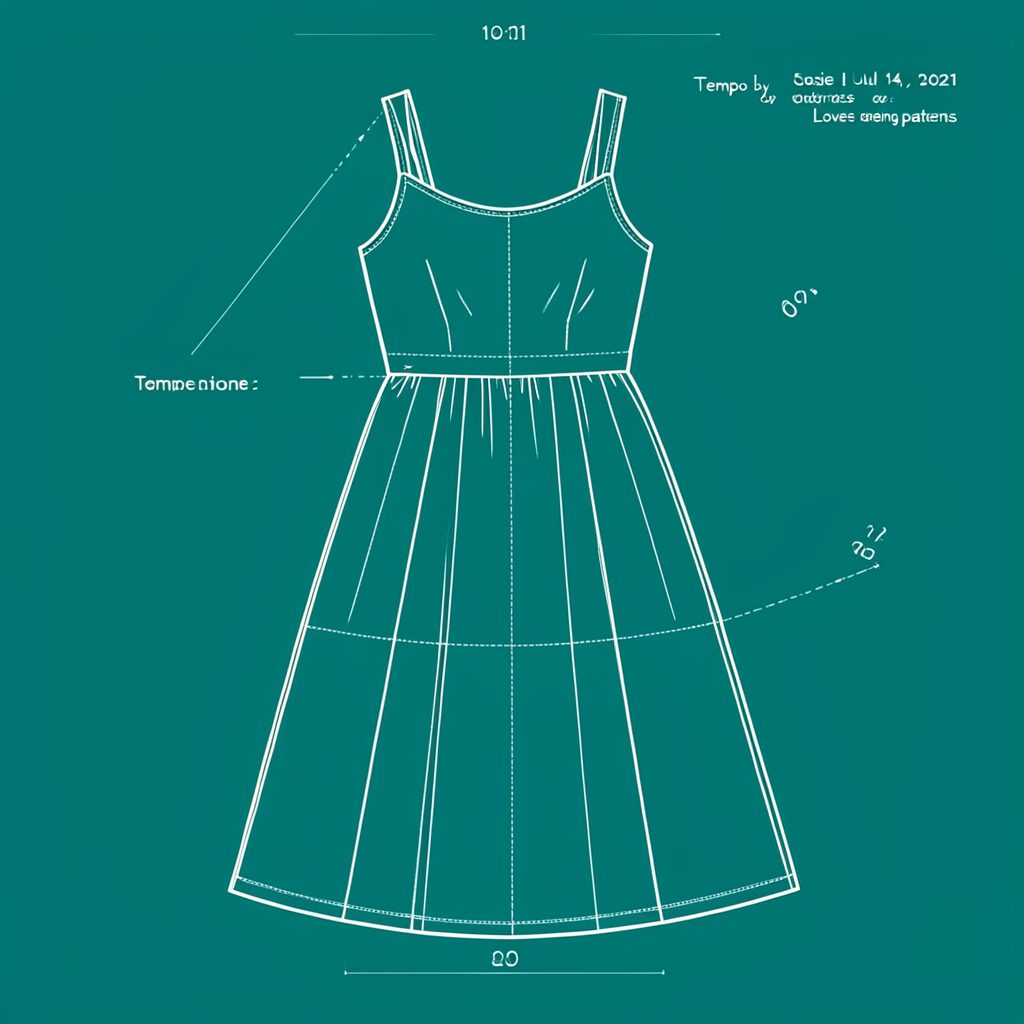
| Tempo Sundress | Love Notions | Sundress | No closures, shirred back panel |
| Arlington Sweater | Love Notions | Sweater | Cold-weather staple |
| Sybil Illusion Skirt | Love Notions | Skirt (knit) | 7 variations, optional pockets |
| Camden Pinafore | Nina Lee Patterns | Pinafore dress | Year-round layering piece |
| Ogden Cami (dress hack) | True Bias | Cami / Dress | Versatile wardrobe builder |
| Burda 6829 | Burda | Dress | Multi-sized, special-occasion |
Stay in Touch
Subscribe to the newsletter for sewing inspiration, pattern tips, and project ideas delivered straight to your inbox.