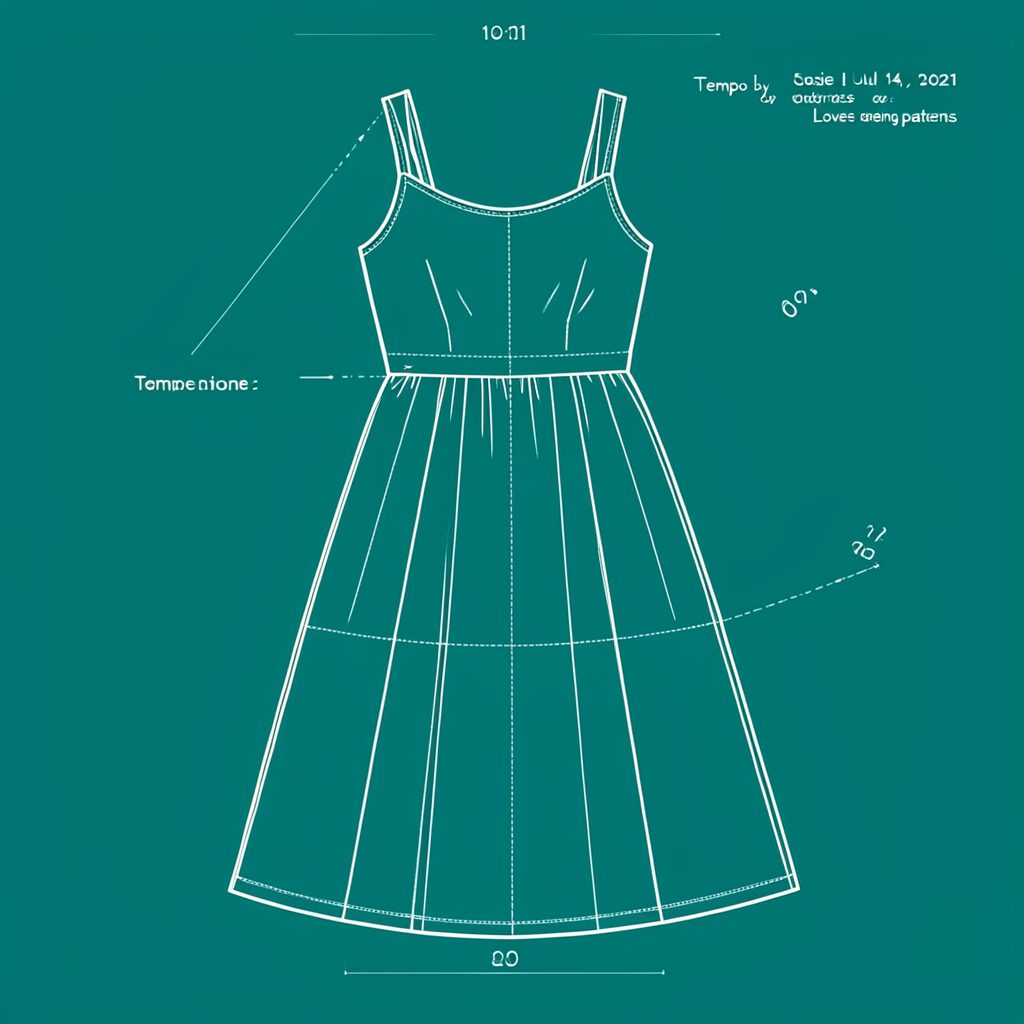
Cotton Voile for Airy Summer Shirting
Cotton voile brings a cool, softly rumpled drape to garments that need to feel easy rather than stiff. Its fine yarns make it lighter than many shirt cottons, while the plain weave allows air to move through the fabric. The result works beautifully for relaxed shirts, blouses and short-sleeved summer layers.
It is not a magical fabric, though. Opacity, drape and durability differ between bolts, and a voile cut with generous ease can look more casual than a crisp office shirt. Choosing the right weight and treating it gently during construction will make the difference between a lovely everyday top and a frustrating sewing project.
Understanding Cotton Voile
Cotton voile is usually a 100% cotton, fine plain weave made with closely arranged yarns. It is often described as airy or sheer, but good-quality voile can be opaque enough for shirts when layered or made in a slightly heavier weight. Always check the fabric listing rather than relying on a photograph alone.
Its name is sometimes used loosely in shops. Lawn can be very similar, batiste is usually finer and crisper, and poplin has a denser, smoother surface. Seersucker adds a puckered texture. Compare the drape in your hand, not just the weight: a fluid voile will fall close to the body, while a crisp weave stands away from it.
Choosing A Useful Bolt
Australian fabric shops and online stores commonly sell voile by the metre, with remnants offering inexpensive options for smaller shirt panels. Fabric sold locally is priced in Australian dollars and may come from mills that differ from those used by overseas sewing brands. For regular fabric notes, the occasional fabric update email can be a convenient way to track stockists and seasonal colours.
Check the weight, width and stretch before buying. A lightweight cotton around 70–100 gsm often drapes softly, but the range used for shirting can be wider. Hold the cloth over a window or against a dark garment to judge transparency, then rub a swatch between finger and thumb to see whether it feels papery or stable.
Choose colour with future sewing in mind. Navy, cream, striped checks and dusty florals are easy to coordinate with trousers or skirts, while saturated shades show seam mistakes more readily. Ask about dye lots and colourfastness, especially for pale pink, blue and grey. A fabric sold as machine-washable still deserves a cool test wash before it is cut.
Australian Weather And Wardrobe Realities
Australia’s summer timing and climate make lightweight shirting especially versatile. Sydney’s humid days call for breathable layers that can sit under a jacket at work or over a slip at home. Loose collars and soft cuffs help a shirt remain comfortable as temperatures rise, while heavier cottons can feel restrictive.
Melbourne often sees warm afternoons followed by cool evenings, so a voile shirt can be useful beneath a cardigan or jumper rather than reserved for peak heat. Brisbane’s consistently warm weather encourages shirts that can be worn alone, and Australian wardrobes frequently mix practical office pieces with relaxed weekend dressing. Elizabeth Mitchell’s summer wardrobe perspective adds a stylist’s view of how light layers can still look polished.
Summer sun also needs sensible planning. An airy weave may provide less ultraviolet protection than a dense cotton, and “natural fibre” is not a substitute for a tested UPF rating. For daytime travel, layer a shirt over a rated garment, add a hat and use sunscreen. Breathability and protection are separate qualities, and choosing the right combination matters more than any one fabric name.
Pairing Voile With Sewing Patterns
Love Notions shirt and blouse patterns are a useful match for this material, although each design has its own intended fabric and seam allowances. Compare the recommended weight with the cloth in hand, then make a short sample of the collar, placket or sleeve detail that seems least familiar. Small samples reveal how a fine weave responds before the main panels are committed.
The beginner tunic project shows how an approachable garment can use a relaxed silhouette, which is particularly effective in cotton voile. Keep the ease shown by the pattern; extra width can make a shirt feel shapeless, while fitting it too closely can undermine the fabric’s natural movement. Always follow the pattern’s finished garment measurements rather than assuming a U.S. size will match an Australian fit.
Preparing The Fabric Carefully
Prewash using the method allowed by the pattern and the fabric supplier, then measure the cloth again. Cotton may shrink or relax, especially after a hot tumble dry, so gentle washing and line drying usually give a more dependable starting point. Some high-quality voiles are dry-clean only, making that test even more important.
Use a fresh rotary blade on a clean cutting mat, with tissue paper beneath thin fabric to prevent the blade catching. Sharp scissors also work, but one smooth cut is less likely to drag the weave. Place pattern pieces within the grain, avoiding the temptation to stretch a slightly skewed bolt to make it fit.
Mark with a light tailor’s chalk and test the marker on an offcut, since dark pigment can shine through cotton. Pins can leave temporary holes, so use fine pins inserted within the seam allowance, or pattern weights on the cutting table. Hang the cut pieces overnight if the fabric is prone to growing; they often settle into a more accurate shape before stitching.
Sewing Delicate Cloth With Control
Try a new 70/10 or 80/12 needle for most cotton voiles, though thread weight and fabric density should guide the choice. Set the machine tension so the upper and lower threads meet in the middle of the cloth. If puckering appears, check that the presser foot is not pressing the lightweight fabric into the feed dogs.
Straight seams generally look best with a slightly longer stitch and a sharp needle that pierces each yarn cleanly. Avoid overly short settings, which can cut or pull the fibres. A walking foot can help if the layers shift, but test it first because excess pressure may leave impressions. Guide the cloth without stretching it along the seam.
Collars and plackets benefit from stable support. A lightweight fusible interfacing can show through a translucent shirt, so a self-fabric layer or lightweight sew-in interfacing may give a cleaner result. Press sections before assembling them, use clips instead of pins where possible, and finish raw edges with an overlocker or enclosed seams. Take time at the needle; speed produces most drag, puckering and thread tension problems.
Styling, Washing And Keeping The Shape
A voile shirt can look neat without looking severe. Wear an open collar with a camisole or shell for a softer silhouette, or button it fully for a more traditional shirt. Cuffs, a narrow placket and one distinctive button provide structure without adding the stiffness of a heavy poplin. The fabric’s natural wrinkles can be embraced rather than treated as a flaw.
Wash cool pieces in a mesh bag or use a delicate cycle, then line dry in shade. Iron while slightly damp or use steam, testing an inconspicuous area first because high heat can create shine. Store a folded shirt rather than hanging a heavily creased one, and avoid dry cleaning unless the care label specifically requires it.
Sewing communities are especially useful when a new fabric behaves unexpectedly, and finished makes, pattern notes and sourcing tips can be sent through share a sewing project. Testing a metre of cotton voile before committing to a full shirt is a sensible middle path, but the fabric itself is often more forgiving than its delicacy suggests. With the right weight, a stable construction and a relaxed fit, it becomes a useful, airy staple rather than a special-occasion oddity.
Popular Pattern Reviews
| Pattern | Designer | Type | Highlight |
|---|---|---|---|
| Compose Robe (Kids) | Love Notions | Robe / Loungewear | Sizes 2T–16, cosy & practical |
| Tempo Sundress | Love Notions | Sundress | No closures, shirred back panel |
| Arlington Sweater | Love Notions | Sweater | Cold-weather staple |
| Sybil Illusion Skirt | Love Notions | Skirt (knit) | 7 variations, optional pockets |
| Camden Pinafore | Nina Lee Patterns | Pinafore dress | Year-round layering piece |
| Ogden Cami (dress hack) | True Bias | Cami / Dress | Versatile wardrobe builder |
| Burda 6829 | Burda | Dress | Multi-sized, special-occasion |
Stay in Touch
Subscribe to the newsletter for sewing inspiration, pattern tips, and project ideas delivered straight to your inbox.