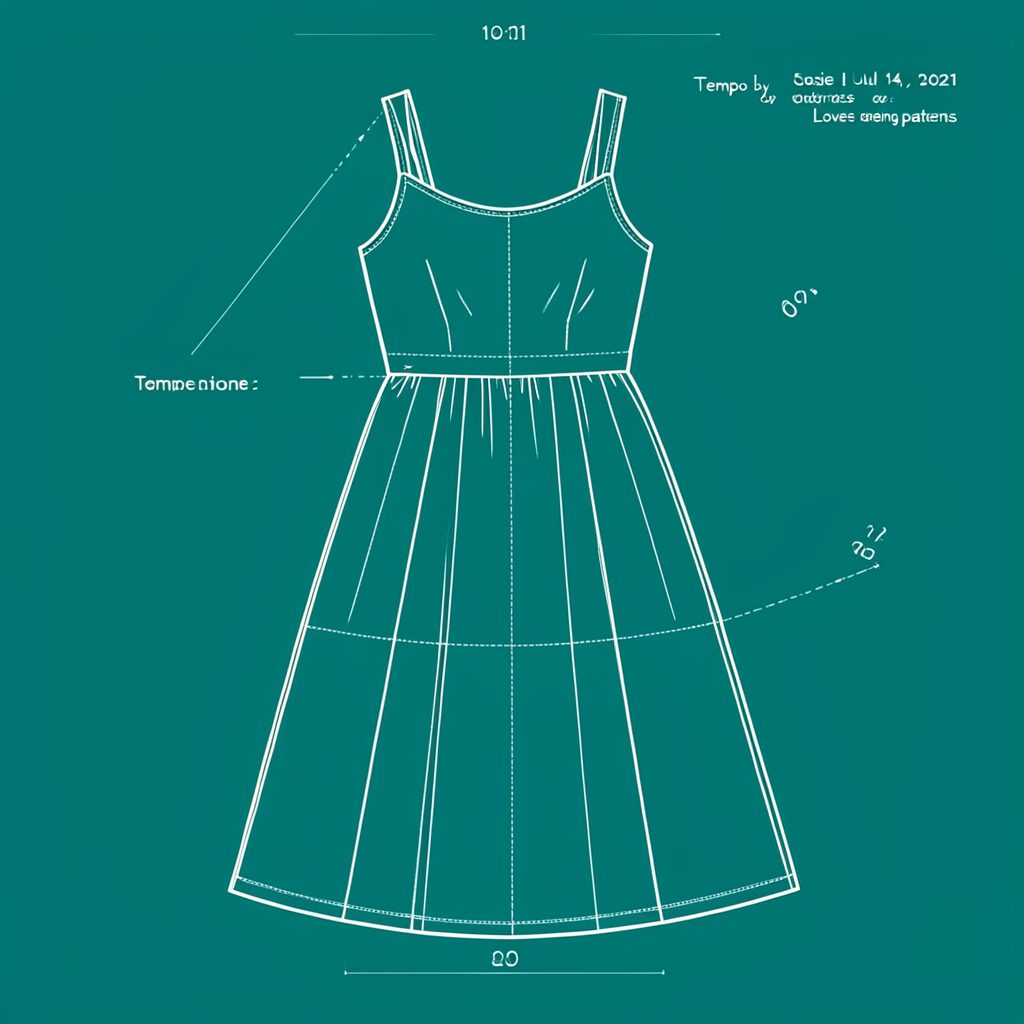
How to take accurate body measurements for pattern sizing
Pattern sizing works best when the measurements describe the body you will actually inhabit, not a guess based on a shop label. A tape measure is inexpensive, but the useful technique is preparation: choose the pattern, read its size chart, record the relevant figures, and understand how ease will change the fit. That process makes indie sewing projects more predictable, whether you are making a blouse, dress, or everyday jeans. Learn more about Embossing Mit Heat Tool Tipps Für Saubere Erhabene Motive.
Measurements should be taken over the light layers you normally wear underneath the garment while standing in a natural, relaxed posture. Australian sewists are accustomed to centimetres, so use a non-stretch metric tape and write every value in centimetres. Before beginning, check whether the pattern uses AU, UK, US, or designer-specific sizing; those labels do not always translate directly into one another.
| Body measurement | Where to place the tape | Best technique | Why it affects sizing |
|---|---|---|---|
| Bust or chest | Around the fullest part | Keep the tape level and snug without pulling | Determines the main size in most bodice patterns |
| Natural waist | Around the narrowest torso | Bend gently side to side to locate it | Controls waist suppression and skirt fit |
| Full hip | Around the widest part of the seat | Keep the feet together and include the seat | Guides hip sizing and skirt flare |
| Underbust | Directly below the bust | Hold the tape close to the body | Useful for close-fitting bodices |
| Torso length | From nape to waist or shoulder to bust | Measure along the curve without bending | Prevents too-short or overly long bodices |
Set up a reliable measuring space
Gather a flexible tailor’s tape, pencil, scrap paper, and a mirror. Check the tape against a rigid ruler, then use it without stretching or twisting. A ruler can confirm a straight shoulder line, but only a flexible tape can follow the bust, waist, and hip. Keep the pattern and your notes together so every recorded number has a clear purpose.
Wear the bra or usual base layer intended beneath the garment, not a bulky jumper. Stand with your feet together, shoulders level, arms relaxed, and stomach in its natural position. Measuring a helper is often easier at the back; for self-measuring, use a mirror and pause rather than twisting the tape. Take each measurement twice and repeat it if the values differ by more than a centimetre.
Keep pressing and decorating separate from measuring. Heat and steam can relax fibres and alter drape, so let the fabric return to its normal state before assessing fit. If decorative work is part of your sewing routine, these heat-tool embossing tips offer practical control for clean, raised motifs.
Record the measurements that matter
Begin with the bust, often labelled chest on clothing patterns. Run the tape around the fullest part, level across the back and under the arms, with the section kept snug but not compressed. Do not pull it outward. For the natural waist, bend gently from side to side and mark the narrowest part, usually just above the navel. For the full hip, keep the feet together and measure around the widest point, including the seat.
Underbust and torso-length figures can be valuable additions to the basic measurements. Measure under the fullest part of the bust for close-fitting bodices, and measure from the nape to the natural waist or from the shoulder to the bust when a chart provides those options. These lengths often explain why two people with the same bust measurement need different pattern sizes.
Record each value clearly and compare it with the chart supplied for that specific pattern. Independent designers may express fit differently, so browse La Moda de Atenea alongside a Love Notations chart when comparing pattern ranges. If a figure falls between sizes, examine the finished garment measurements and intended ease rather than automatically choosing the larger size.
Match measurements to ease and movement
Ease is the difference between your body measurement and the finished garment measurement. Close-fitting knits may have slight negative ease, while fitted wovens need little or no negative ease. Loose shirts, dresses, and skirts use positive ease so the garment can move without pulling. The correct amount depends on the fabric, style, and intended comfort, not on the pattern label alone.
Posture and movement affect how a garment sits. Forward shoulders, a curved back, or a defined waist can change the position of the neckline and side seams. Sit, walk, and raise your arms while checking whether the garment catches anywhere. If a seam pulls during these movements, the issue may be insufficient ease rather than an inaccurate bust or waist measurement.
A close-fitting shirt collar may pass the initial body check yet still need adjustment at the neck and armhole, as demonstrated in this button-down collar tutorial. Fit details should therefore be tested on a sample rather than judged from the tape measure alone.
Use your figures with Australian patterns
Most Australian domestic patterns use metric measurements, but sizing may still be marked as AU, UK, or US. Numbers from those systems do not always correspond because each uses a different starting point. Always read the accompanying bust, waist, and hip ranges instead of assuming that an AU 12 matches a UK 12 or US 8. Independent pattern designers may use their own chart and fit preferences.
Climate also affects the ease and fabric you choose. Melbourne’s changeable weather encourages layered garments that need room over jumpers, while Brisbane’s heat makes breathable wovens and loose summer shapes especially useful. Sydney’s humid summers and beach-oriented wardrobe can prompt the first test of swimwear patterns. In each case, accurate measurements provide a starting point, but stretch, drape, and comfort determine the final fit.
Local makers’ markets in Melbourne, Brisbane, Adelaide, or Sydney can be good places to discover indie designers, while online pattern shops offer broader Australian selections in Australian dollars. You may also find garments to study at vintage and op shops. Josie’s sewing project library offers practical projects for turning your measurements into clothing you will genuinely want to wear.
Keep a repeatable sizing record
Use two short checklists to keep every measuring session consistent.
Before you measure
- Open the pattern’s size chart before taking any figures.
- Wear the base layer intended beneath the finished garment.
- Stand naturally with your arms relaxed and shoulders level.
- Keep the tape flat, untwisted, and gently snug.
After you record
- Compare each figure with the pattern chart and mark between-size values.
- Note posture, unusual proportions, or needed length adjustments.
- Test the fit in a calico or muslin garment before using costly fabric.
- Update your record after fitting and label alterations.
If your measurements fall between two sizes or you are measuring alone, a second reading can prevent costly errors. You can also share your figures and fitting notes through Josie’s contact page for a practical second opinion before committing to fabric.
Treat the first set of figures as working data rather than a permanent verdict. Compare them with the finished garment, test movement, and record any changes on the same page. A corrected measurement sheet then becomes a dependable reference for future makes and a clearer foundation for choosing between pattern sizes.
Popular Pattern Reviews
| Pattern | Designer | Type | Highlight |
|---|---|---|---|
| Compose Robe (Kids) | Love Notions | Robe / Loungewear | Sizes 2T–16, cosy & practical |
| Tempo Sundress | Love Notions | Sundress | No closures, shirred back panel |
| Arlington Sweater | Love Notions | Sweater | Cold-weather staple |
| Sybil Illusion Skirt | Love Notions | Skirt (knit) | 7 variations, optional pockets |
| Camden Pinafore | Nina Lee Patterns | Pinafore dress | Year-round layering piece |
| Ogden Cami (dress hack) | True Bias | Cami / Dress | Versatile wardrobe builder |
| Burda 6829 | Burda | Dress | Multi-sized, special-occasion |
Stay in Touch
Subscribe to the newsletter for sewing inspiration, pattern tips, and project ideas delivered straight to your inbox.