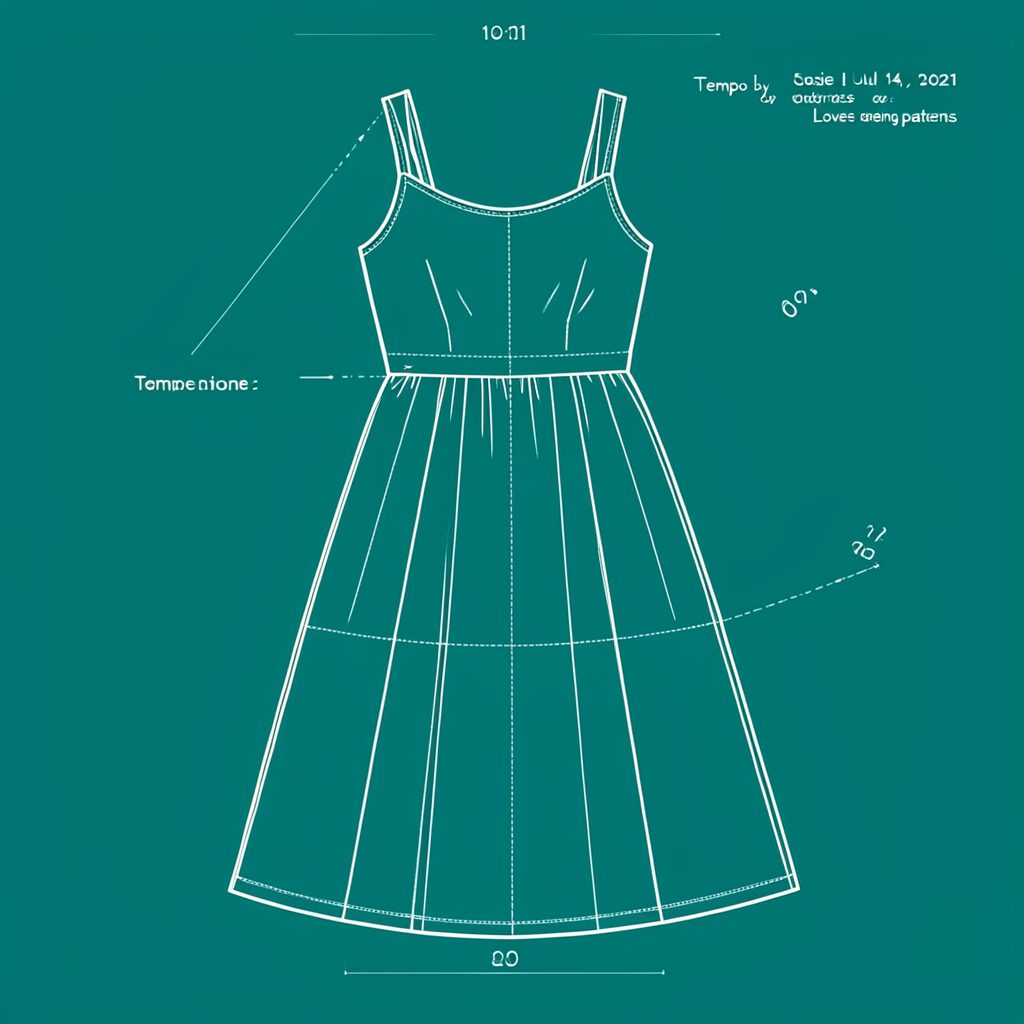
Shortening the Love Notions Fifth Avenue Blazer
Shortening the jacket length on a Love Notions Fifth Avenue Blazer can turn a formal, below-hip layer into a neat cropped jacket without changing its shoulders or sleeves. The alteration is most successful when you decide the finished shape on a body, then transfer that shape back to the pattern. A paper plan alone shows dimensions; the mirror, shoes, and usual layers reveal whether the new hem balances with the wearer.
Most home sewists can manage this alteration with a muslin, careful pattern marking, and a little patience. Trace the bodice rather than shortening the hem allowance alone, because the Fifth Avenue Blazer has shaped construction that must remain aligned with the closure and pockets. A cropped hem also changes visual balance, so keeping the sleeve length unchanged often creates a more polished result than altering both areas at once.
For Australian sewists, a useful starting point is the wearer rather than a generic size. Love Notions sizing, alongside many British and American patterns, may not correspond neatly to the fit you want, and a metric tape can make assumptions about ease harder to spot. Record the intended length over the clothes you normally wear, from the high point of the shoulder (HPS) down to the target edge, and repeat the measurement on a fitting muslin.
Choosing the right cropped length
Fit the blazer before deciding how much to remove. The shoulders, armholes, neckline, sleeve cap, and button placement should already sit correctly; otherwise, a cropped hem will disguise rather than solve an overall fit problem. Wear the clothes and footwear you expect to use, then measure from the HPS over the bust to several possible hem positions.
A shortened blazer can create a distinctly different proportion from the original below-hip shape. These options provide a useful guide:
| Length option | Where the finished hem falls | Visual effect | Main consideration |
|---|---|---|---|
| Below-hip length | Below the hip bone | Long, formal, traditional | Can look oversized on a shorter torso |
| Natural-waist crop | At or just above the waist | Balanced, shirt-like styling | Check the lower button and pocket spacing |
| High-hip crop | Above the fullest part of the hip | Bold and contemporary | Allows more visual emphasis on the shoulders |
Choose a position that works with the closure and your usual styling. A waist-length version may sit neatly over trousers or a skirt, while a high-hip crop works especially well with slim jeans and a long pendant. Try both positions with tape before altering the paper pattern, as moving the hem by only a few centimetres can alter the apparent length of the sleeves.
Turning the length into a pattern alteration
Begin with a fitting muslin or a completed blazer that already fits well. Reviews of other indie patterns can also help when judging finished measurements and ease, as Josie’s Dawn jeans pattern review demonstrates why comparing a garment on the body is more informative than relying on size labels alone.
Trace the front and back bodice pieces separately, retaining the original grainline, darts, shoulder lines, and seam allowances. Mark the desired finished hem, then include the appropriate hem allowance below that line. Where possible, cut through the pattern at the waist so the front and back can be overlapped at the side seam. This is more controlled than simply cutting across the bottom edges, which can leave an uneven rise at the front or side seam.
Overlap the front and back bodice sections gradually until the original hem reaches the new length. Pin the alteration, redraw the side seam smoothly from the armhole to the new hem, and tape the pieces securely. The overlap can reduce waist suppression, so compare the altered side seam with the original and restore some shaping if necessary. Keep the sleeve pattern unchanged and check that the centre-front and centre-back lengths meet at the same level.
Cutting the shell and lining
Choose fabric with enough structure to retain the blazer’s shape. Spotlight stores carry suiting and coating, while independent shops such as Tessuti in Melbourne and Sydney and Haberdashery in Sydney offer dress fabrics and smaller quantities for custom projects. A wool-viscose blend is versatile: it presses neatly, resists excessive creasing, and remains comfortable in air-conditioned offices.
Remember that June to August is winter in Australia, while spring clothing is being prepared through the preceding months. Melbourne’s changeable weather may call for a medium-weight wool blend, whereas Sydney and Brisbane often suit lighter suiting for mild winters and spring layering. Check the fabric’s pressing requirements before purchasing, especially if the blazer includes substantial interfacing or a smooth lining.
Cut the shell and any fusible interfacing from the newly adjusted pattern. If the fabric is checked, striped, or strongly patterned, align it before cutting so the new side seams and hem remain visually balanced. Keep the original grain direction unless the pattern designer specifically allows otherwise, and use the existing garment as a placement guide when matching pocket openings or unusual seam arrangements.
Reconciling pockets, vents, and interior details
Pocket position often needs attention after shortening. Welt pockets that sit too close to the new hem should be moved upward by the required amount, while flap or patch pockets can sometimes remain where they are if the proportions still look balanced. Test the pocket placement with the actual blouse or shirt you intend to wear, then mark the revised position on both the shell and facing pieces.
Shorten the lining separately, following the original seam allowances and finished hem line. The lining edge should usually sit slightly above the shell hem so it does not show when the jacket is worn. Check that shortened lining does not pull across the back or expose the interfacing. If the blazer includes a centre-back vent, shorten it to the new hem and maintain its original angle rather than creating an abrupt triangular gap.
Independent pattern libraries such as La Modiste de Atenea offer useful references for the shaped details that give indie tailoring its character. Similar thought is needed for the closure: check that the lowest button remains comfortably above the cropped edge, and avoid moving it unless the pattern’s facings and button-placement method can accommodate the change.
A reliable blazer-shortening sequence
Sew the shell hem after pressing the allowance into the correct shape, then finish the lining separately with a narrow seam or suitable edge finish. The careful edge work shown in the Monroe topstitching details can be adapted for a subtle row of topstitching, although a tailored blazer usually needs less visible stitching than a moto jacket.
- Fit the blazer completely before tracing any alteration.
- Mark the desired finished length on the body, not merely on the pattern.
- Alter the front and back bodice together and recheck the waist.
- Shorten the lining, reposition pockets, and finish any vent as separate tasks.
- Press every stage and assess the jacket with its intended shoes and outfit.
A successfully shortened Fifth Avenue Blazer should retain the original shoulder line and sleeve character while ending in a clean, level edge. When the hem, pockets, lining, and closure share the same balance, the jacket reads as an intentionally cropped design rather than a garment that was simply taken up.
Popular Pattern Reviews
| Pattern | Designer | Type | Highlight |
|---|---|---|---|
| Compose Robe (Kids) | Love Notions | Robe / Loungewear | Sizes 2T–16, cosy & practical |
| Tempo Sundress | Love Notions | Sundress | No closures, shirred back panel |
| Arlington Sweater | Love Notions | Sweater | Cold-weather staple |
| Sybil Illusion Skirt | Love Notions | Skirt (knit) | 7 variations, optional pockets |
| Camden Pinafore | Nina Lee Patterns | Pinafore dress | Year-round layering piece |
| Ogden Cami (dress hack) | True Bias | Cami / Dress | Versatile wardrobe builder |
| Burda 6829 | Burda | Dress | Multi-sized, special-occasion |
Stay in Touch
Subscribe to the newsletter for sewing inspiration, pattern tips, and project ideas delivered straight to your inbox.