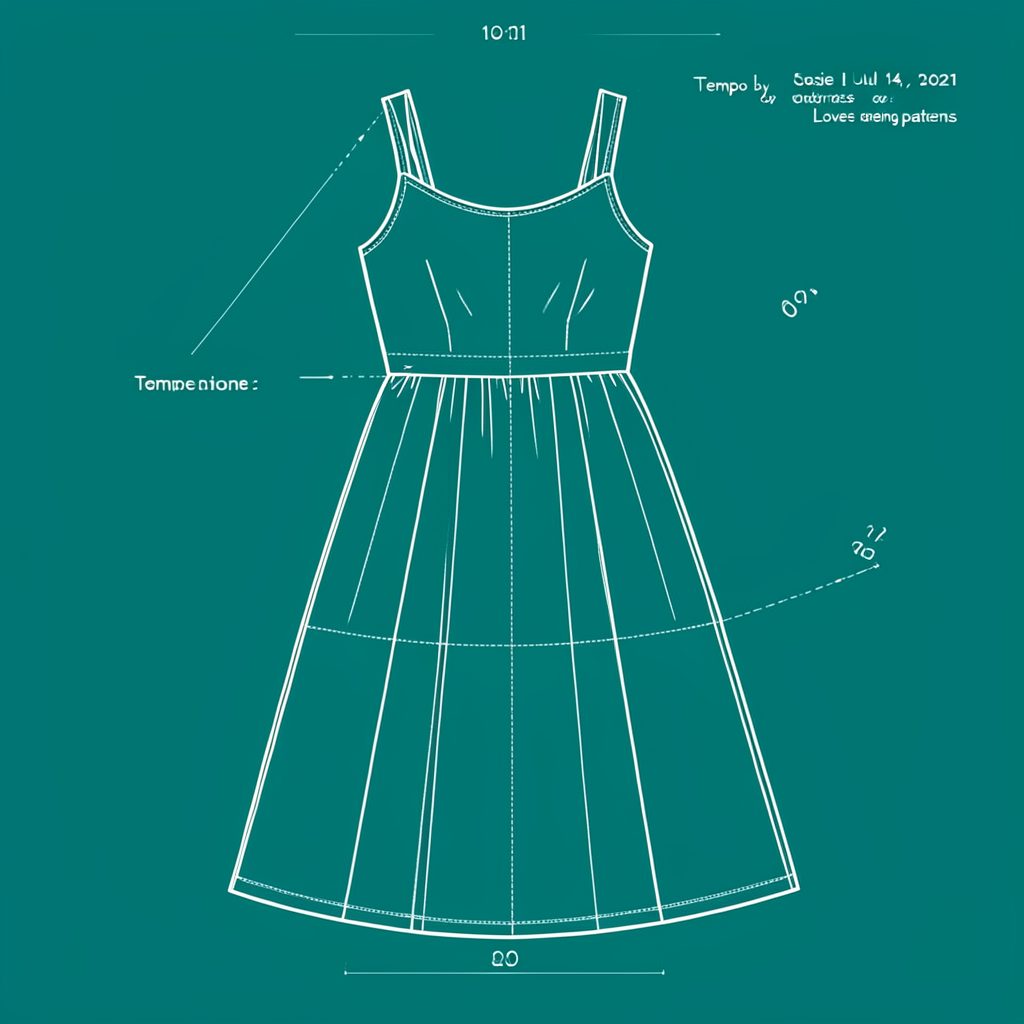
Best indie patterns for sewing a capsule wardrobe
A handmade capsule wardrobe should make getting dressed simpler, not leave you with a rail full of beautiful garments that never quite work together. Indie sewing patterns are especially useful for this kind of project because many are drafted with practical details, multiple cup sizes, inclusive grading, and clear guidance for customisation.
The right combination can cover everyday outfits with surprisingly few patterns. A well-fitted trouser, versatile top, easy dress, layering piece, and casual knit can create dozens of combinations when they are planned around a cohesive colour palette and compatible fabrics.
For sewists in Yorkshire and beyond, this approach also makes fabric shopping more intentional. Rather than buying every appealing print, you can choose cloth for a specific role in your wardrobe and build a collection that reflects how you actually live.
Start with your real wardrobe needs
Before choosing patterns, look at the clothes you wear repeatedly. Note whether your week calls for smart separates, comfortable homewear, school-run layers, work-friendly dresses, or garments suitable for changing weather. A capsule wardrobe works best when it solves everyday dressing problems rather than copying an idealised style.
Think about the silhouettes already earning their place in your wardrobe. If you reach for pull-on trousers and relaxed tops, a highly structured fitted jacket may not become a favourite, even if the pattern is impressive. Your handmade wardrobe should feel like an extension of your habits.
It is also worth identifying gaps rather than duplicates. Three more statement dresses may be less useful than one neutral cardigan, a washable T-shirt, or trousers that coordinate with several existing tops. Use your current clothes as a colour and proportion reference before making a planning list.
Choose patterns that do several jobs
A capsule-friendly pattern offers options without requiring an entirely different fit for every version. A knit top with short, three-quarter, and long sleeves can work across seasons. A trouser pattern with woven and elastic-waist options may provide both a polished pair and a relaxed everyday version.
Love Notions patterns are particularly useful for this style of planning because many include layered options and approachable construction methods. A simple pattern can become a wardrobe workhorse when you vary length, neckline, sleeve shape, or fabric weight. The aim is versatility, not endless alterations for their own sake.
Look for designs that can be styled in at least three ways. A shirt might be worn tucked into trousers, loose over a fitted dress, or open as a light layer. A knit dress can work with trainers in summer and boots, tights, and a cardigan when the temperature drops.
A balanced pattern mix
The following combination gives a useful starting point for a handmade mini wardrobe. It is not a rigid formula; your lifestyle, climate, and preferred level of detail should guide the final selection.
| Wardrobe role | Useful pattern type | Fabric direction | Styling potential |
|---|---|---|---|
| Everyday top | Knit T-shirt or relaxed blouse | Jersey, rib knit, cotton lawn | Trousers, skirts, dungarees, layers |
| Reliable bottom | Elastic-waist or fly-front trousers | Twill, linen, denim, ponte | Casual tops, shirts, knitwear |
| One-piece outfit | Simple dress or pinafore | Viscose, chambray, corduroy | Worn alone, over tops, under cardigans |
| Warm layer | Cardigan, sweatshirt, or cropped jacket | French terry, fleece, ponte, wool blend | Adds colour and seasonal flexibility |
| Smart separate | Button-up shirt or tailored skirt | Poplin, rayon, suiting, linen | Workwear, occasions, casual layering |
Start with two or three dependable neutrals, then add one or two accent colours. Navy, charcoal, olive, camel, denim, cream, and chocolate brown are easy to combine, but there is no requirement to follow a traditional neutral palette. Plum, teal, rust, or cobalt can function as foundations if they suit your existing clothes.
Prints are most useful when they include at least one colour repeated elsewhere in the capsule. A patterned blouse can become a connecting piece between plain trousers and a colourful cardigan. Before cutting, lay fabrics together in natural light and check that the combinations appeal beyond the excitement of buying them.
Indie patterns worth considering
For a first layer, look for a well-drafted T-shirt, tank, or relaxed knit top. These patterns often have manageable construction, make good fitting practice, and can be sewn in a range of jersey weights. A successful basic top also gives you a reference point when assessing later patterns.
A trouser pattern is usually the most valuable investment in a capsule wardrobe. Choose the style according to your comfort and routine: tapered ankle trousers for a neat outline, wide-leg trousers for movement, or pull-on trousers for a forgiving everyday fit. Check the finished garment measurements carefully, particularly around the waist, hip, and thigh.
A shirt or overshirt adds polish and layering potential. A loose button-up can be worn open over a vest, tucked into high-waisted trousers, or tied at the waist over a dress. If traditional collars and cuffs feel intimidating, choose a pattern with clear instructions and practise on a wearable toile in inexpensive cotton.
Dresses can simplify outfit planning, but select shapes that coordinate with your separates. A relaxed shift, pinafore, or knit dress may earn more wear than a highly occasion-specific design. For family sewing projects, coordinated outfit ideas can also help you think about colour relationships without making every garment identical.
Make fabric and fit do the work
Fabric choice can completely change the role of an indie sewing pattern. A T-shirt in lightweight drapey jersey may feel like a summer basic, while the same design in a stable ponte can become a smarter long-sleeved top. Read the recommended fabric list, but also study the sample photographs for clues about structure and movement.
For woven garments, pay attention to fibre content and recovery. Linen is breathable and works well for warm-weather trousers, shirts, and dresses, although it will crease. Cotton poplin offers structure for blouses, while viscose creates fluid movement in skirts and dresses. Ponte, French terry, and sweatshirt fleece are useful for comfortable layers in a cooler UK climate.
Fit is more important than the number of garments you make. Measure yourself regularly, compare your measurements with the pattern chart, and check finished measurements where available. A toile is worthwhile for close-fitting bodices, trousers, and jackets, while a simple oversized top may only need careful tissue or paper fitting.
Do not assume that grading between sizes is the only adjustment you may need. Full-bust adjustments, sway-back changes, petite or tall alterations, and crotch-length changes can improve comfort considerably. Make notes as you sew so future versions become quicker and more predictable.
Build a sewing plan you can finish
A capsule wardrobe becomes achievable when you sequence projects sensibly. Begin with one relatively straightforward garment to test your fabric choices and sewing routine. Follow it with a second version or a complementary piece while the construction details are still familiar.
Use a mixture of quick wins and skill-building projects. Two knit tops can provide useful wardrobe basics while you work towards trousers or a shirt. This prevents the plan from becoming stalled by one demanding garment and gives you something wearable at every stage.
Keep a record of pattern size, alterations, fabric source, seam finishes, and what you would change next time. A notebook or digital project log becomes especially valuable when working with independent designers whose patterns may have different measurement systems and ease preferences.
Practical choices for a cohesive handmade wardrobe
- Select one dependable knit top pattern and make it in at least two compatible colours.
- Choose trousers that suit your most-worn shoes before deciding on hem length.
- Add one layering pattern, such as a cardigan, sweatshirt, overshirt, or light jacket.
- Reserve statement prints for garments that can still coordinate with at least two plain pieces.
- Sew a toile or wearable test version before cutting expensive fabric for fitted designs.
Make the capsule personal
A small wardrobe does not have to be plain or minimalist. Details such as contrast topstitching, bright buttons, colour-blocking, embroidery, statement sleeves, or an unusual print can make simple silhouettes feel individual. The most successful capsule wardrobes balance repeatable shapes with enough personality to keep sewing enjoyable.
Seasonal changes can be handled through fabric and layering rather than an entirely new set of patterns. Use linen and cotton for warmer months, then revisit the same silhouettes in corduroy, ponte, brushed cotton, or wool blends. A good pattern earns its place when it remains useful across several fabrics and temperatures.
There is also value in leaving room for experimentation. Once your core garments are working together, add a less practical project that brings excitement to the process. A dramatic sleeve, special occasion dress, or distinctive jacket can sit alongside the basics without undermining the wardrobe plan.
The best capsule wardrobe is one that gets worn, washed, and enjoyed. Choose indie patterns that fit your lifestyle, fabrics that feel good against your skin, and construction methods that match your current skills. Start with a small group of useful garments, then let each finished piece guide the next.
For pattern reviews, sewing ideas, and practical garment-making guidance, explore more projects on It Is Josie. If you would like to share a project, ask about a pattern, or connect about your own handmade wardrobe, get in touch and keep the sewing conversation going.
Popular Pattern Reviews
| Pattern | Designer | Type | Highlight |
|---|---|---|---|
| Compose Robe (Kids) | Love Notions | Robe / Loungewear | Sizes 2T–16, cosy & practical |
| Tempo Sundress | Love Notions | Sundress | No closures, shirred back panel |
| Arlington Sweater | Love Notions | Sweater | Cold-weather staple |
| Sybil Illusion Skirt | Love Notions | Skirt (knit) | 7 variations, optional pockets |
| Camden Pinafore | Nina Lee Patterns | Pinafore dress | Year-round layering piece |
| Ogden Cami (dress hack) | True Bias | Cami / Dress | Versatile wardrobe builder |
| Burda 6829 | Burda | Dress | Multi-sized, special-occasion |
Stay in Touch
Subscribe to the newsletter for sewing inspiration, pattern tips, and project ideas delivered straight to your inbox.