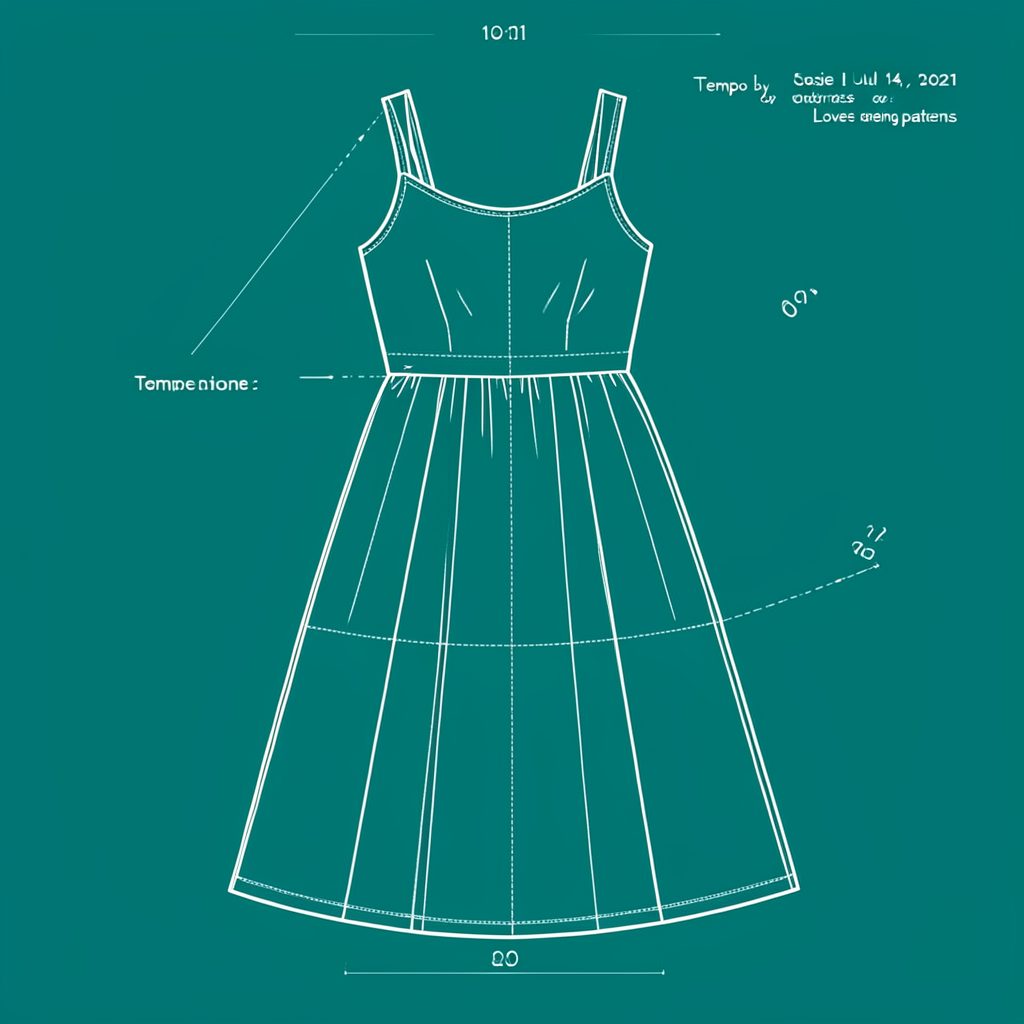
Indie Sewing Patterns For Mother-Daughter Matching Outfits
Matching outfits can be as subtle or as cheerful as you like. A shared print, coordinating colours, or the same neckline in two different silhouettes often creates a more wearable result than making identical garments. Indie sewing patterns are particularly useful because many designers offer flexible sizing, clear instructions, and related styles for adults and children.
The best projects balance personality with practicality. A young child may enjoy a gathered dress, while a mother may prefer a top, blouse, or relaxed jumpsuit in the same fabric. For older daughters, matching can become a coordinated wardrobe idea rather than a miniature version of an adult outfit.
With a thoughtful pattern pairing and fabric choice, you can create garments that feel connected without looking costume-like. The following ideas cover beginner-friendly sewing projects, everyday separates, special-occasion dresses, and useful ways to adapt independent sewing patterns.
Start With A Shared Design Detail
A matching outfit does not need to use the same pattern. Repeating one design feature is often enough to make the garments look intentionally coordinated. A V-neck, polo collar, tiered skirt, cuffed sleeve, or button-front opening can appear across both outfits while the overall shapes remain age-appropriate.
Colour is another easy link. Try a navy top for the mother and a navy-and-white dress for the daughter, or use the same floral fabric in different scales. Contrast piping, matching buttons, and identical waist ties can also connect two otherwise unrelated garments.
When choosing a detail to repeat, consider how it will work with each wearer’s proportions. A large bow may suit a child’s dress but feel excessive on an adult blouse. A neat collar, contrast yoke, or carefully placed stripe is usually easier to transfer between sizes and styles.
Explore Coordinated Love Notions Styles
Love Notions is a useful starting point for family sewing because its catalogue includes practical wardrobe staples and a broad range of sizes. T-shirts, polos, dresses, cardigans, and casual layers can be combined into outfits that share a fabric or colour palette.
A polo shirt is particularly versatile for this purpose. The adult version can be paired with a child’s knit top, skirt, or shorts in the same fabric, creating a relaxed weekend outfit. Josephine’s Classic Polo review is a helpful reference when assessing the pattern’s style, construction, and everyday potential.
Knit patterns are also forgiving for active children. Look for jersey with good recovery, such as cotton-spandex, and check the finished garment measurements before cutting. A close-fitting adult polo and a looser child’s top can use the same fabric successfully while allowing comfortable movement.
Pair Dresses With Practical Separates
A dress and a top-and-skirt combination can look beautifully coordinated without requiring identical construction. For example, sew a fit-and-flare dress for a daughter and a simple woven blouse with a gathered skirt for her mother. Keeping the hem, waistband, or bodice fabric consistent will make the relationship between the garments clear.
Independent designers such as Made for Mermaids, Ellie and Mac, and Patterns for Pirates offer many patterns that can be mixed across age groups. Search for companion styles, but do not feel restricted to patterns with matching names. Similar necklines and sleeve options often produce a more polished pairing than two exact copies.
For a beginner, a simple elastic-waist skirt or peplum top is a sensible partner for a child’s dress. These projects avoid complex fitting and can be sewn in cotton lawn, double gauze, linen blends, or stable jersey. They also remain useful after a special event has passed.
| Pattern pairing | Suitable project | Fabric direction | Helpful for |
|---|---|---|---|
| Adult polo and child’s knit top | Casual everyday outfits | Cotton jersey with stretch | Beginners and active children |
| Adult blouse and child’s dress | Family photographs or outings | Cotton lawn, viscose, or linen blend | Light woven fabrics |
| Adult cardigan and child’s sweatshirt | Layered autumn clothing | French terry or sweatshirt fleece | Practical seasonal sewing |
| Adult jumpsuit and child’s playsuit | Holiday and summer wear | Rayon challis, chambray, or soft linen | Confident intermediate sewists |
| Adult skirt and child’s gathered skirt | Easy coordinated separates | Quilting cotton, poplin, or denim | First matching projects |
Choose Patterns That Suit Real Life
The most successful mother-daughter outfits are comfortable enough to be worn beyond a photograph. Consider school routines, playground movement, washing requirements, and the season before choosing a design. A dramatic party dress may be enjoyable for one event, but a jersey dress or everyday skirt could receive far more wear.
Think about dressing and undressing as well. Young children may need wide necklines, elastic waists, snaps, or accessible fastenings. Avoid creating an adult-style garment for a child if it includes fiddly buttons or a tight fit that will make independent dressing frustrating.
For cool Yorkshire weather, matching layers can be more useful than matching summer dresses. A shared sweatshirt fabric, quilted vest, or cardigan colour allows the outfits to coordinate while keeping everyone warm. Seasonal layering also gives you more opportunities to use the patterns throughout the year.
Make Fabric Choices Work Harder
The fabric usually determines whether coordinated outfits look sophisticated or overly identical. A small-scale print can work for both garments, while a large motif may need careful placement on the adult version. If the child’s garment is very gathered, a bold print may become visually busy.
Using the same fabric in different colourways is an excellent compromise. You could choose a green floral for the daughter and a coordinating solid green for the mother, then add a floral pocket or facing to link the two. This approach is especially useful when one person prefers understated clothing.
Before cutting, wash and dry the fabric according to its intended care routine. Measure stretch percentage for knit patterns and make a test garment when the fit is close or the pattern is unfamiliar. Independent pattern sizing varies, so body measurements and finished measurements are more reliable than selecting a size based on shop-bought clothing.
Adapt Details For Age And Personality
A successful pair of garments should reflect the people wearing them. Keep the overall theme consistent, but allow each person to choose a preferred sleeve, hem length, neckline, or embellishment. A daughter might want ruffles and pockets, while her mother may choose a clean-lined version in the same colour.
Small adaptations can make a major difference. Add patch pockets to a child’s dress, shorten a grown-up tunic into a top, or replace a gathered skirt with a straighter silhouette. Always check the pattern instructions before altering key seams, hems, or areas that affect balance.
You can find further ideas for handmade clothing and creative sewing in the blog’s DIY sewing projects, especially when planning accessories to complete the outfits. Matching scrunchies, headbands, tote bags, or hair bows use small fabric leftovers and can tie separate garments together.
Plan The Sewing Efficiently
Making two outfits at once is easier when the work is organised. Start by listing each garment, fabric requirement, notions, and construction stages. Cut both projects before beginning to sew, but keep each person’s pieces in a separate labelled bundle.
Sew the shared techniques together where possible. Complete all the shoulder seams, then all the sleeve hems, or prepare every pocket before moving to the next stage. This reduces the need to switch between instructions and helps you notice if a fabric or thread choice needs changing.
Do not underestimate the time needed for pressing, fitting, and finishing. Try on the adult garment before completing the hems, and check the child’s garment during construction rather than waiting until the end. A little extra planning makes matching sewing more enjoyable and reduces last-minute alterations.
For personal help with a project, pattern choice, or fabric question, you can get in touch with the blog. A welcoming exchange of ideas can be especially useful when combining patterns from different independent designers.
A Practical Starting Point
- Choose one shared feature, such as a colour, collar, print, or trim, before selecting patterns.
- Begin with comfortable separates if you are new to sewing garments for two people.
- Check body and finished measurements for every wearer instead of relying on standard sizing.
- Use washable, stable fabrics for everyday outfits and reserve delicate cloth for special occasions.
- Sew a test version when working with fitted bodices, trousers, jumpsuits, or unfamiliar knit fabrics.
Matching mother-daughter outfits are most rewarding when they suit real lives as well as photographs. Start with a simple design connection, choose patterns that reflect each wearer, and let fabric, colour, and carefully repeated details do the coordinating. Then gather your measurements, browse a few indie designers, and choose a first pairing that you will both be happy to wear.
Popular Pattern Reviews
| Pattern | Designer | Type | Highlight |
|---|---|---|---|
| Compose Robe (Kids) | Love Notions | Robe / Loungewear | Sizes 2T–16, cosy & practical |
| Tempo Sundress | Love Notions | Sundress | No closures, shirred back panel |
| Arlington Sweater | Love Notions | Sweater | Cold-weather staple |
| Sybil Illusion Skirt | Love Notions | Skirt (knit) | 7 variations, optional pockets |
| Camden Pinafore | Nina Lee Patterns | Pinafore dress | Year-round layering piece |
| Ogden Cami (dress hack) | True Bias | Cami / Dress | Versatile wardrobe builder |
| Burda 6829 | Burda | Dress | Multi-sized, special-occasion |
Stay in Touch
Subscribe to the newsletter for sewing inspiration, pattern tips, and project ideas delivered straight to your inbox.