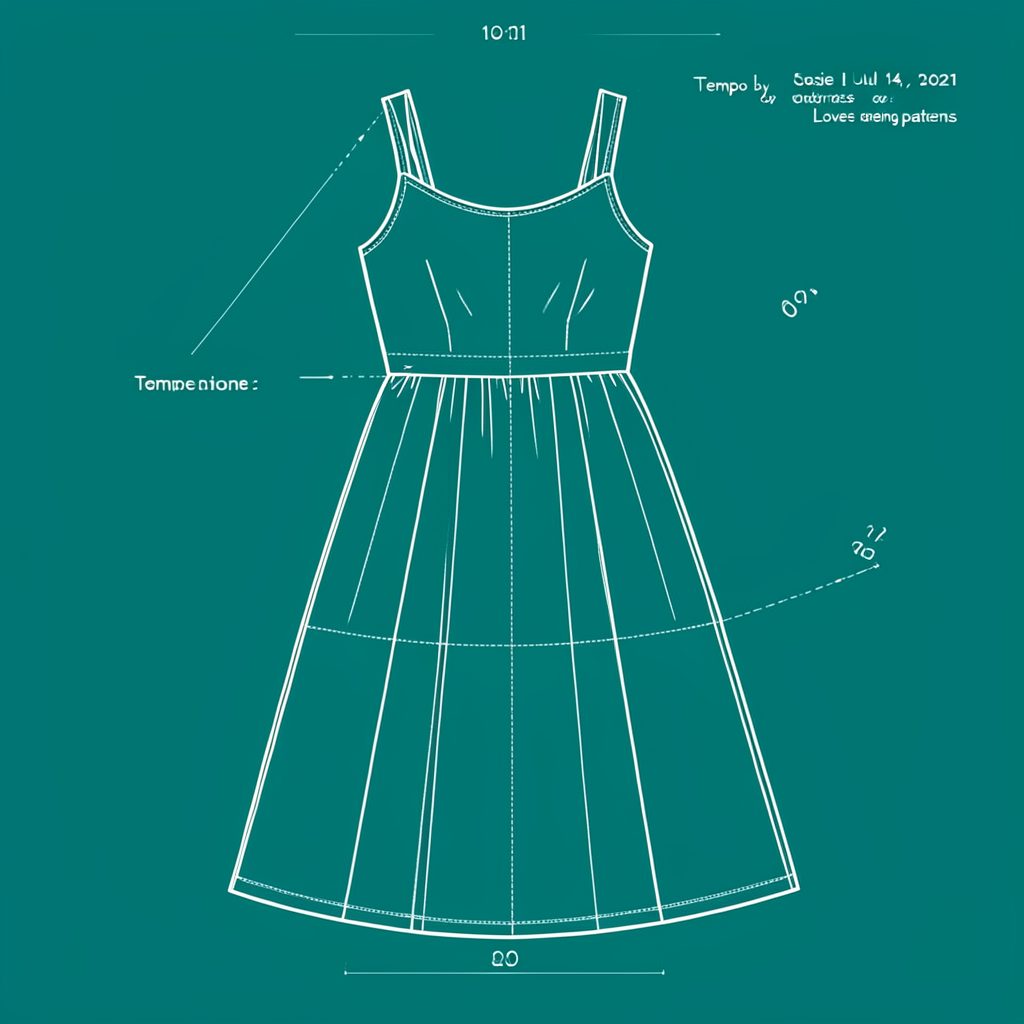
Best indie patterns for sewing dresses for pear shapes
Pear-shaped figures typically have a narrower shoulder and bust line with more room needed through the hips, seat and upper thighs. That difference can make ready-to-wear fitting frustrating, but sewing gives you control over proportions, skirt volume, waist placement and bodice shaping.
Independent sewing designers are especially useful because many offer detailed size charts, finished garment measurements, cup-size options and inclusive grading. The best pattern is not simply the one with the largest size range. It is the one whose design lines work with your shape and whose construction makes adjustments manageable.
A well-chosen dress can skim the hips, define the waist and draw attention towards the neckline or sleeves. With the right fabric and a thoughtful tissue-fit, a pear-friendly pattern can become a reliable wardrobe staple rather than a one-off project.
Start with measurements, not a size label
Take your bust, waist and full hip measurements before choosing a size. Compare them with the pattern’s body chart, then check the finished garment measurements for the bust, waist and hip. The difference between these two charts tells you how much wearing ease the designer has built in.
Many pear-shaped sewists need to blend between sizes. You might select a smaller bodice size at the bust and waist, then transition to a larger hip size through the skirt. Marking those changes smoothly through the side seam is often enough for an A-line design, while fitted styles may need extra attention at the waist and hip curve.
Also measure your torso length and consider where the waist seam will sit on your body. A raised waistline can skim the fullest part of the hip, whereas a dropped waist or very low seam may need lengthening to prevent the skirt from riding upwards.
Look for supportive design details
A-line, fit-and-flare and princess-seamed dresses are natural starting points because they provide shaping above the waist and space below it. Skirts with gentle flare usually hang more smoothly than very narrow pencil silhouettes, especially when made in a woven fabric with limited stretch.
Wrap fronts, V-necks, square necklines and interesting sleeve details can balance the proportions of a fuller lower half. This does not mean hiding the hips. It means creating visual movement through the upper body while allowing the skirt to fit without strain.
Be cautious with fixed waist measurements and gathered skirts. Gathers can be wonderfully comfortable, but large amounts of fabric concentrated at the waist may add bulk. A softly gathered skirt, a contoured waistband or pleats placed away from the side seams can give a cleaner result.
Love Notions patterns worth considering
Love Notions patterns are practical choices for sewists who appreciate clear instructions, comfortable silhouettes and options for adapting fit. Look for styles with separate bodice and skirt sections, as these make it easier to adjust the waist and hip independently.
The Lyric Dress is a useful example of a flexible silhouette to investigate, particularly if you like a defined waist with a skirt that can accommodate more room below it. Choose the bodice according to your upper-bust and full-bust needs, then use the finished measurements to assess the skirt before cutting.
Love Notions also has a strong reputation for curve-aware drafting across its collection. The fitting principles in Sloane sweater tips are relevant even when you are sewing a dress: assess where the garment is tight, identify whether the issue is length or width, and make one deliberate alteration at a time.
For a first project, a dress with a stable waist seam and a moderately full skirt is easier to fit than a close-fitting knit style. Once you understand how the pattern sits on your body, you can experiment with narrower skirts, colour blocking or stretch fabrics.
Indie dress patterns to put on your shortlist
Several independent designers offer silhouettes that suit a pear-shaped figure without requiring complicated alterations. Cashmerette’s Upton Dress is a strong option for woven fabric because it combines a shaped bodice with a full skirt and is drafted with multiple cup sizes. The bodice can be fitted separately from the skirt, which is helpful when your measurements span several sizes.
The Sew Liberated Hinterland Dress has a relaxed shape, gathers and useful style options. It is a comfortable choice for linen, cotton lawn or lightweight chambray, though you may want to control the amount of gathering if you prefer a more streamlined waist.
Tilly and the Buttons Bettine offers a looser, casual shape with a comfortable skirt. It can work well for everyday wear when sewn in a fluid woven fabric, while a stiffer cotton will create more volume around the lower body.
The Named Kielo Wrap Dress is another adaptable option. Its wrap construction lets you fine-tune the waist position and fit, although the ties and overlapping panels need careful placement so the dress stays secure as you move.
| Pattern | Shape-friendly features | Best fabric direction | Points to check |
|---|---|---|---|
| Cashmerette Upton Dress | Separate bodice and full skirt, cup-size options | Cotton lawn, poplin, linen blends | Bodice length and skirt fullness |
| Love Notions Lyric Dress | Defined waist and adaptable skirt proportions | Stable knit or suitable woven, depending on view | Finished hip and waist measurements |
| Sew Liberated Hinterland Dress | Relaxed fit and comfortable gathered skirt | Linen, chambray, cotton lawn | Amount of waist gathering |
| Tilly and the Buttons Bettine | Easy shape with generous lower-body room | Fluid woven fabrics | Sleeve and hem proportions |
| Named Kielo Wrap Dress | Adjustable wrap waist and dramatic lines | Jersey or soft knit | Secure overlap and tie placement |
Make fitting adjustments in the right order
Always sew a toile, muslin or quick test version when the pattern is expensive, fitted or unfamiliar. Use a similar fabric weight where possible. A lightweight cotton toile will not reveal exactly how a drapey viscose behaves, but it can show whether the waist seam, bust and hip placement are correct.
If the bodice fits but the hip is tight, blend out from the waist to the larger hip size rather than automatically adding width at the side seam. If the waist is too high, add length above the waist seam; if the skirt pulls upwards over the hips, add width and possibly length at the fullest point.
A full hip adjustment is often more precise than simply choosing a larger size throughout. It preserves the shoulder and bust fit while giving the skirt the space it needs. The same principle applies to trousers and skirts, and this guide to grading between sizes explains how to create a smooth transition between size lines.
Pay attention to balance lines during fitting. Horizontal lines across the bust, waist and hip should sit level with the floor. If they angle upwards at the front or back, the pattern may need length or width adjustments rather than a general size change.
Choose fabric that supports the silhouette
Fabric can completely change how a dress fits and flatters. Cotton lawn, rayon challis, viscose twill and washed linen create different levels of drape. A softly falling fabric can skim the hip, while crisp poplin will hold an A-line shape away from the body.
For a fitted bodice, select a fabric with enough stability to support darts, princess seams or a zip. If you choose stretch jersey, check the pattern’s required recovery and stretch percentage. A fabric that grows during wear may make the waist feel comfortable at first but lose its shape later.
Print placement is another useful tool. Small-scale prints, vertical stripes and darker side panels can create a lengthened effect, while a contrasting yoke or patterned bodice can bring focus to the upper body. These are styling choices rather than rules; the most successful dress is one that feels like your wardrobe.
Construction details deserve the same care as fitting. Press each seam as you sew, stabilise a waist seam where necessary and finish the inside neatly. If a dress includes a trouser-style closure elsewhere in your sewing plans, this zip-fly tutorial is a useful reminder that accurate marking, pressing and step-by-step construction make intimidating details manageable.
A practical fitting checklist
Use this sequence before cutting into your favourite fabric:
- Measure your full bust, waist, full hip and torso length, then compare both body and finished measurements.
- Identify where your size changes occur and blend gradually between the relevant size lines.
- Check the waist seam against your natural waist or intended position before adjusting the skirt.
- Make a toile for fitted styles, unusual fabrics and patterns with limited alteration guidance.
- Walk, sit and raise your arms in the test garment to assess comfort as well as appearance.
With these checks in place, choosing indie dress patterns for a pear-shaped figure becomes much more straightforward. Begin with a forgiving silhouette, record the changes that work for your body and use that information when trying the next designer’s pattern. Browse your fabric shelf, select a promising design and make the fitting process part of the creative project rather than an obstacle to it.
Popular Pattern Reviews
| Pattern | Designer | Type | Highlight |
|---|---|---|---|
| Compose Robe (Kids) | Love Notions | Robe / Loungewear | Sizes 2T–16, cosy & practical |
| Tempo Sundress | Love Notions | Sundress | No closures, shirred back panel |
| Arlington Sweater | Love Notions | Sweater | Cold-weather staple |
| Sybil Illusion Skirt | Love Notions | Skirt (knit) | 7 variations, optional pockets |
| Camden Pinafore | Nina Lee Patterns | Pinafore dress | Year-round layering piece |
| Ogden Cami (dress hack) | True Bias | Cami / Dress | Versatile wardrobe builder |
| Burda 6829 | Burda | Dress | Multi-sized, special-occasion |
Stay in Touch
Subscribe to the newsletter for sewing inspiration, pattern tips, and project ideas delivered straight to your inbox.