Best Indie Patterns for Sewing Lingerie and Bras
Sewing lingerie can look intimidating when the project involves stretch fabrics, narrow elastic, underwires and small pieces that need precise fitting. Indie sewing patterns make the process much friendlier by combining detailed instructions with modern sizing, practical construction methods and designs that feel wearable rather than overly complicated.
The best pattern depends on the kind of support, coverage and finish you want. A soft bralette may be an ideal first project, while a wired bra demands more fitting preparation and specialist materials. Bodysuits, camisoles and French knickers offer useful ways to build confidence before tackling a fully structured bra.
A thoughtful pattern review should therefore consider more than appearance. Instructions, cup options, elastic guidance, fabric suggestions, seam finishes and the availability of fitting adjustments all matter. With the right starting point, handmade underwear can become one of the most satisfying areas of garment sewing.
Choosing A Lingerie Pattern
Start by identifying the role you want the garment to play. A bralette designed for light support may be perfect for lounging, layering or smaller busts, whereas a full-frame bra with vertical or horizontal cup seams can provide greater shaping. A bodysuit may combine a lingerie feel with the familiar construction of a knit top.
Sizing is particularly important because lingerie patterns often use different measurements from standard dressmaking patterns. Check the designer’s finished garment measurements, cup sizing system and elastic requirements before printing. Your high bust, full bust, underbust and waist measurements may all affect the final size.
Look closely at the fabric recommendations too. Powernet, stretch lace, jersey, microfibre and stable tricot behave differently under tension. A pattern that relies on firm lingerie elastic will not necessarily work in a drapey fashion knit, even if both fabrics contain elastane.
Soft Bralettes For A Confident Start
Soft-cup patterns are often the most approachable choice for a first bra-making project. They usually involve fewer layers than a wired bra and allow you to concentrate on accurate cutting, elastic application and neat edge finishing. The Cloth Habit Watson Bra is a popular example, combining a comfortable frame with an attractive lace or fabric cup.
The Watson’s design makes it useful for learning how lingerie components fit together. You can practise using lingerie elastic, adapting strap placement and stabilising the bridge without immediately dealing with underwire channels. It also works well as a scrap-friendly project because the cups require relatively small fabric pieces.
For a more relaxed shape, look for bralette patterns with a longline band or pull-on construction. These can be especially comfortable beneath loose tops and dresses. A longline band spreads support over a larger area, although it may roll if the elastic or fabric is too soft for the wearer’s measurements.
Structured Bra Patterns Worth Exploring
Once you are comfortable with stretch control, a more structured pattern can offer a rewarding challenge. The Orange Lingerie Marlborough Bra is known for its multi-piece cups, which create shaping through seams rather than relying on stretch alone. It is a strong option for sewists who want a professional-looking underwired bra and are prepared to make a toile.
The Orange Lingerie Boylston Bra is another appealing choice, particularly for those who enjoy careful construction and a more vintage-inspired silhouette. Patterns in this category usually require underwire, plush-back elastic, powernet and a reliable closure, so the materials list is longer than for a bralette.
Fit is the central project here. Make a test version in inexpensive fabric, mark the seam lines and check the bridge, cup volume, wire length and band tension. Small changes can transform comfort, so resist the temptation to judge the pattern solely by its first sample.
| Pattern style | Best for | Main skills | Materials to expect |
|---|---|---|---|
| Soft bralette | Beginners and light support | Applying fold-over or lingerie elastic | Stretch lace, jersey, elastic |
| Longline bralette | Layering and extra comfort | Stabilising a wider band | Stretch fabric, wide elastic, lining |
| Multi-piece wired bra | Shaping and firm support | Cup fitting and underwire insertion | Powernet, cradle fabric, channeling, wire |
| Bodysuit | A combined lingerie and outfit project | Stretch sewing and snap installation | Knit fabric, gusset lining, lingerie elastic |
| Camisole or slip | Elegant sleepwear and layering | Bias binding, lace insertion, finishing | Satin, silk, viscose or stretch lace |
Bodysuits And Camisoles
A bodysuit can be an excellent bridge between ordinary garment sewing and bra construction. It introduces lingerie details such as gussets, narrow elastic and close-fitting stretch fabric, but the larger pieces are often easier to handle. The Style Arc Elle Bodysuit is worth exploring for this reason, and my Elle Bodysuit review covers the practical details of working with the design.
Bodysuit patterns vary considerably. Some are built like a swimsuit with a close fit and snap fasteners, while others have a camisole upper section joined to briefs. Consider how the garment will be worn before choosing: a high-cut leg may suit trousers, while fuller coverage can feel more comfortable for everyday use.
Camisoles and slips are gentler projects for woven-fabric lovers. Look for patterns with adjustable straps, shaped bust panels or optional lace edging. Silk, satin and lightweight viscose can be slippery, so fine needles, sharp scissors and plenty of careful pressing will help keep the seams smooth.
Indie Designers And Useful Variations
Indie lingerie designers often excel at explaining the small details that make a project successful. Good instructions should cover elastic ratios, direction of stretch, seam allowances and the order in which components are assembled. Illustrations are particularly helpful when attaching rings, sliders, strap elastic and bra closures.
Love Notions patterns are useful to consider when you want a coordinated wardrobe rather than a single undergarment. Their approachable instructions and knit-focused designs can help sewists build confidence with stretch fabrics, layering pieces and close-fitting garments. A camisole, fitted tank or knit slip can sit alongside handmade bras and create a practical capsule of comfortable basics.
Other designers offer different strengths. Evie la Luve is well known for lingerie-focused patterns and detailed options, while Ohhh Lulu brings a romantic, vintage-influenced look to bralettes, knickers and sleepwear. Megan Nielsen’s Cottesloe, although designed as swimwear, can also provide useful experience with lined stretch garments and elasticated edges.
Fabric, Fit And Construction Details
Fabric selection affects both comfort and support. Stretch lace may need a stable lining, while powernet can strengthen a band without making the garment feel rigid. For a first project, choose fabric with predictable recovery and avoid very delicate lace until you understand how your machine handles narrow seams.
A zigzag stitch, three-step zigzag or stretch overlock can all work, depending on the fabric and equipment. Test the stitch on scraps before sewing the garment, and use a fine ballpoint or stretch needle. Pressing is still valuable, but keep the iron temperature suitable for synthetic elastic and delicate fibres.
Keep records as you sew. Note the pattern size, elastic length, fabric stretch, alterations and what felt comfortable after wearing. Lingerie fitting is highly personal, so these notes become more useful than generic sizing advice over time. If you publish project photographs or details, review the site’s privacy policy before sharing personal information.
A Practical Pattern-Making Starting Point
The most suitable first project is the one that matches your current skills and the support you actually need. A simple lace bralette can teach foundational techniques, while a bodysuit may be more rewarding if you prefer larger pieces and a garment you can wear as outerwear. There is no requirement to begin with underwires.
Use the following approach when narrowing down your options:
- Choose a soft bralette if you are new to lingerie elastic and stretch lace.
- Pick a longline style when you want gentle support and a wider, more stable band.
- Select a wired pattern only when you are ready to make a toile and adjust the fit.
- Try a bodysuit or camisole if you already sew knit garments confidently.
- Buy matching notions with the pattern so elastic width, closure size and underwire length work together.
Handmade lingerie rewards patience more than speed. Begin with a manageable design, make a test garment, and treat each fitting change as useful information rather than a failed attempt. Browse the pattern options, gather a few fabric samples and start with the style that feels exciting enough to finish.
Popular Pattern Reviews
| Pattern | Designer | Type | Highlight |
|---|---|---|---|
| Compose Robe (Kids) | Love Notions | Robe / Loungewear | Sizes 2T–16, cosy & practical |
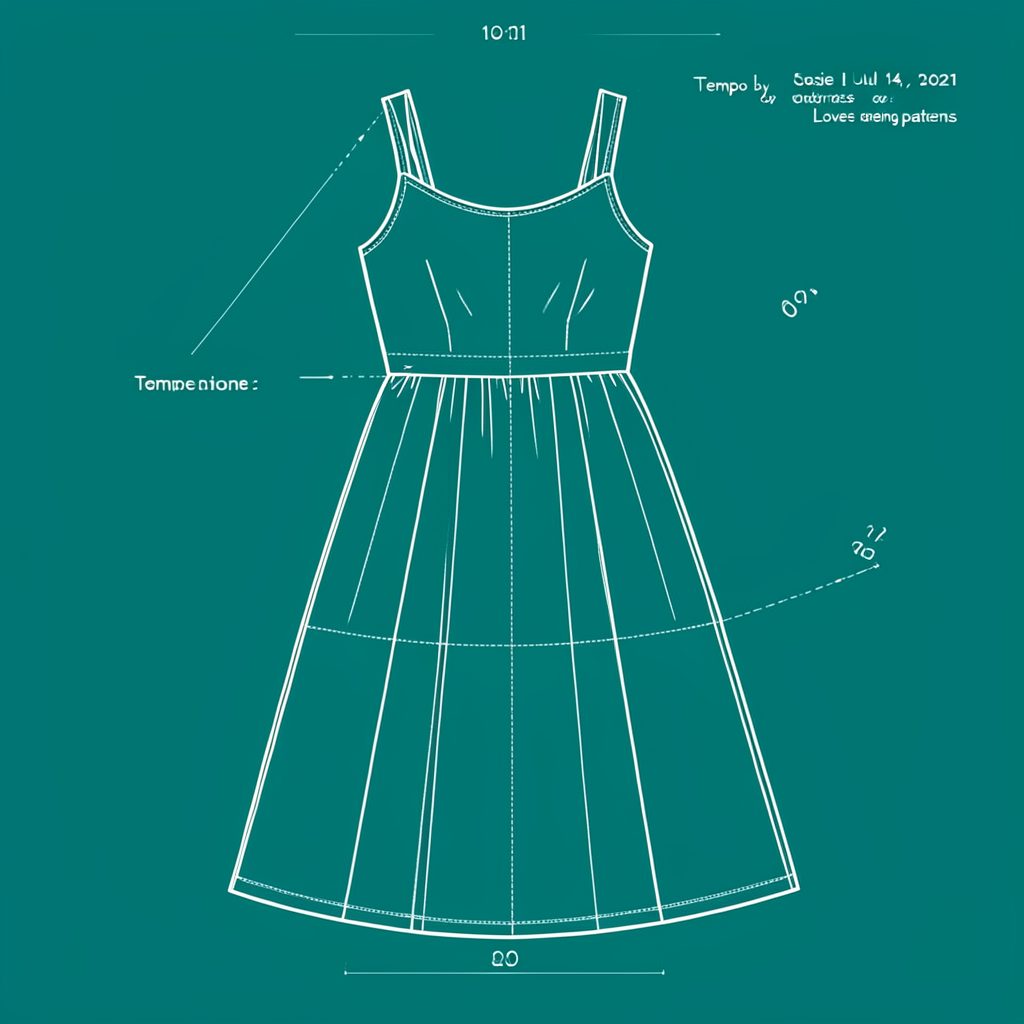
| Tempo Sundress | Love Notions | Sundress | No closures, shirred back panel |
| Arlington Sweater | Love Notions | Sweater | Cold-weather staple |
| Sybil Illusion Skirt | Love Notions | Skirt (knit) | 7 variations, optional pockets |
| Camden Pinafore | Nina Lee Patterns | Pinafore dress | Year-round layering piece |
| Ogden Cami (dress hack) | True Bias | Cami / Dress | Versatile wardrobe builder |
| Burda 6829 | Burda | Dress | Multi-sized, special-occasion |
Stay in Touch
Subscribe to the newsletter for sewing inspiration, pattern tips, and project ideas delivered straight to your inbox.