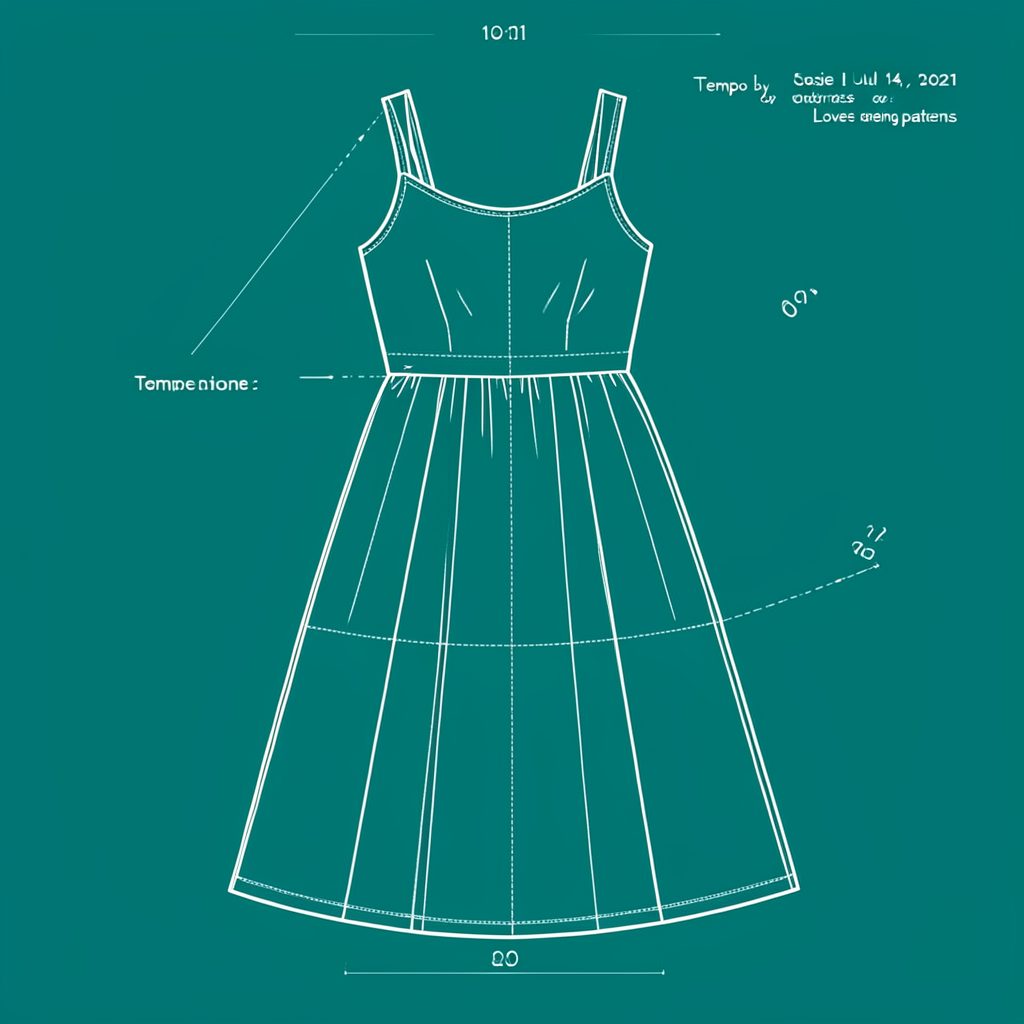
Fresh fabric choices for spring dresses
Spring sewing is all about finding the balance between warmth and lightness. In Yorkshire, a sunny morning can quickly turn into a cool, breezy afternoon, so the best dress fabrics need enough body for comfortable layering while still feeling fresh against the skin. Fabric choice also shapes the character of a garment, from softly swaying lawn to the crisp structure of cotton poplin.
A successful handmade dress begins long before cutting the pattern. Fibre content, weave, drape, opacity, care requirements, and print scale all affect how the finished garment behaves. These fabric recommendations for sewing dresses for spring are designed to suit everyday wardrobes, independent sewing patterns, and the practical realities of British weather.
Cotton lawn for soft everyday dresses
Cotton lawn is one of the easiest spring fabrics to love. It has a fine, smooth weave, a lightweight feel, and a gentle drape that works beautifully for gathered skirts, tiered dresses, blouses, and relaxed shirt dresses. Although it feels delicate, good-quality lawn is generally straightforward to sew and presses neatly around darts, pleats, and curved seams.
The main consideration is opacity. Pale lawn can be slightly sheer, particularly in strong daylight, so hold the fabric up before buying or plan to use a lining, slip, or partial underlining. A lawn dress is especially useful for warmer spring days, while a cardigan or denim jacket makes it adaptable when temperatures drop.
Small florals, sprigs, gingham, and ditsy geometric prints are easy to wear and forgiving around gathers. For a more contemporary look, try a dark ground with light botanical motifs or a painterly print with plenty of negative space. Lawn is also a good choice when testing a new dress pattern because it makes construction details visible without adding too much bulk.
Linen and linen blends for texture
Pure linen brings texture, breathability, and a relaxed appearance to handmade clothing. Medium-weight linen suits simple shift dresses, pinafore styles, button-front dresses, and patterns with gentle gathers. It becomes softer with washing and develops a lived-in quality that makes a garment feel personal rather than overly polished.
Linen does crease, which is part of its appeal but worth considering before choosing a fitted or highly structured design. A linen-cotton blend can be a more forgiving option: it often has less intense creasing, a smoother surface, and a little extra stability. Linen blends are especially practical for spring dresses that need to move between casual and smart settings.
Before cutting, prewash linen in the same way you intend to launder the finished dress. It can shrink, and its texture may change after the first wash. Use a fresh needle, a slightly longer stitch length, and stay stitching on curved necklines or armholes. Pressing as you sew will give the final garment a much more professional appearance.
Cotton poplin and chambray for structure
Cotton poplin is a dependable choice when a pattern needs crispness. It works well for shirt dresses, fitted bodices, collars, cuffs, pleats, and full skirts that benefit from a little shape. Compared with lawn, poplin feels more substantial and usually offers better coverage, making it useful for dresses worn without a separate slip.
Solid-colour poplin can highlight interesting seam lines, while stripes and checks bring attention to yokes, pockets, and button bands. Take care when cutting directional stripes, since matching them across side seams and centre fronts may require extra fabric. A stable cotton also makes accurate topstitching easier for beginners.
Chambray offers a softer alternative with a denim-inspired appearance. Lightweight chambray can be used for loose dresses and gathered skirts, while a slightly heavier version suits utility styles. Its woven colour variation gives even a simple dress visual interest, and it pairs naturally with trainers, ankle boots, or a knitted layer.
Viscose and Tencel for fluid movement
When the pattern calls for drape, viscose rayon and Tencel™ are excellent spring options. These fabrics create swishing skirts, soft sleeves, and fluid necklines, making them ideal for wrap dresses, bias-cut details, waisted styles, and patterns with gathers that need to fall rather than stand away from the body.
The same fluidity can make cutting and sewing more demanding. Use a large, clear cutting surface, plenty of fine pins, or pattern weights, and check that the grainline remains straight. A rotary cutter can help, although sharp fabric scissors work well when the material is supported properly. Stay-stitch necklines promptly so they do not stretch while the garment is being handled.
Some viscose fabrics are opaque enough for a dress, while others need lining or a slip. Avoid relying on colour alone when judging coverage; a dark print may still be transparent under bright light. Tencel often has a slightly heavier hand and beautiful movement, making it a useful choice for a spring dress intended to transition into early summer.
Choosing fabric by pattern design
The recommended fabric depends as much on the sewing pattern as on the season. A fitted bodice generally benefits from a stable woven with limited stretch, while a loose, gathered silhouette can accommodate softer fabric. Check the pattern envelope and instructions for suggested materials, then compare those suggestions with the actual sample garment and the amount of ease included.
A versatile wardrobe pattern can be made in several fabrics to create very different results. For example, the Harmony Top demonstrates how one adaptable design can support multiple styling directions; the same thinking is useful when selecting cloth for a dress. A crisp cotton will look cleaner and more structured, while viscose will create a softer, more fluid version.
| Fabric | Best for | Main advantage | Watch out for |
|---|---|---|---|
| Cotton lawn | Gathered and relaxed dresses | Lightweight and easy to sew | Sheerness and limited structure |
| Linen blend | Casual and button-front dresses | Breathable with useful texture | Creasing and possible shrinkage |
| Cotton poplin | Shirt dresses and fitted styles | Crisp, stable finish | Can feel firm in heavily gathered designs |
| Chambray | Utility and everyday dresses | Soft denim-like character | Directional colour or uneven fading |
| Viscose | Wrap and draped dresses | Excellent fluid movement | Slippery handling and stretching |
| Tencel | Fluid, polished day dresses | Soft drape with a little weight | May need careful pressing and lining |
Prints, colour, and fabric quantity
Spring fabric does not have to mean pastel. Fresh greens, cornflower blue, coral, butter yellow, warm red, and cream can all feel seasonal, especially when combined with botanical, stripe, or abstract prints. Choose colours that work with your existing wardrobe so the finished dress earns regular wear instead of remaining a special-occasion project.
Print scale should relate to the pattern pieces. A large motif can be striking on a simple dress but may disappear across small bodice sections or become awkward around darts. Smaller prints are easier to place and more forgiving when matching is not possible. Stripes, checks, and border prints require additional planning and often extra yardage.
Always check the usable width before calculating fabric requirements. Directional designs, nap, large repeats, and pattern matching can add significantly to the amount needed. Buying a little extra is sensible when working with a fabric that may shrink or when making a full skirt with long panels.
Practical fabric checks before cutting
A few simple tests can prevent disappointment. Scrunch a corner to see how readily the fabric creases, hold it against a window to assess transparency, and drape it over your arm to understand its movement. If possible, wash a small sample before purchasing a larger cut, especially when considering linen, viscose, or a vivid print that may bleed.
Test the fabric with the intended thread, needle, and stitch length. A scrap will reveal whether the material frays heavily, puckers beneath the presser foot, or needs stabilising at seams. Lightweight fabrics may benefit from French seams, while loosely woven linen may need overlocking or a zigzag finish.
Spring accessories can also make a dress more adaptable. Scraps from a dress project may become a useful reversible bucket hat, giving coordinating leftovers a second life while adding sun protection on brighter days.
A practical spring fabric shortlist
For a first spring dress, choose a fabric that matches both the pattern and your confidence level. Stable cotton poplin is reassuring for construction, cotton lawn is comfortable and forgiving in relaxed shapes, and a linen blend offers texture without demanding the care of very lightweight cloth. Save slippery viscose for a project where its movement is central to the design.
Keep these priorities in mind when shopping:
- Match the fabric’s drape and weight to the pattern’s recommended materials.
- Prewash fabric before cutting to account for shrinkage and colour changes.
- Check opacity in daylight, especially with pale lawn and lightweight viscose.
- Buy extra fabric for stripes, checks, directional prints, nap, or large repeats.
- Sew a small sample to test needle choice, seam finishes, and pressing behaviour.
A spring dress becomes much more wearable when the fabric suits your routine. Think about how often it will be washed, whether it needs to layer beneath a cardigan, and how much ironing you realistically want to do. The most beautiful cloth is still the wrong choice if its care demands prevent the garment from being worn.
Browse the fabric shelves with the pattern beside you, take time to handle each candidate, and make a small test before committing to the full cut. With the right combination of fibre, colour, and drape, your next handmade dress can feel comfortable through changeable spring days and become a reliable part of your wardrobe.
Popular Pattern Reviews
| Pattern | Designer | Type | Highlight |
|---|---|---|---|
| Compose Robe (Kids) | Love Notions | Robe / Loungewear | Sizes 2T–16, cosy & practical |
| Tempo Sundress | Love Notions | Sundress | No closures, shirred back panel |
| Arlington Sweater | Love Notions | Sweater | Cold-weather staple |
| Sybil Illusion Skirt | Love Notions | Skirt (knit) | 7 variations, optional pockets |
| Camden Pinafore | Nina Lee Patterns | Pinafore dress | Year-round layering piece |
| Ogden Cami (dress hack) | True Bias | Cami / Dress | Versatile wardrobe builder |
| Burda 6829 | Burda | Dress | Multi-sized, special-occasion |
Stay in Touch
Subscribe to the newsletter for sewing inspiration, pattern tips, and project ideas delivered straight to your inbox.