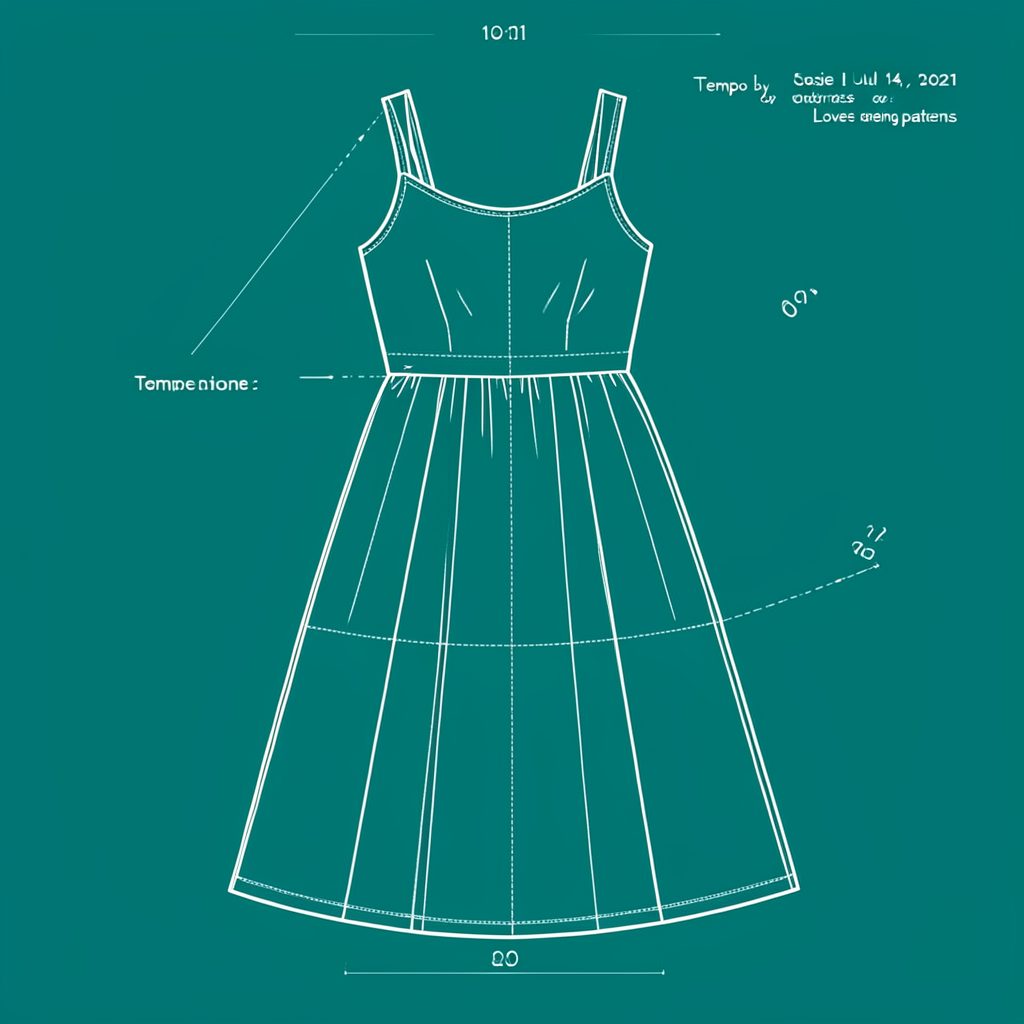
Organic Cotton Jersey Vs Bamboo Jersey For Handmade Clothes
Choosing a knit fabric can change the entire experience of sewing and wearing a garment. Organic cotton jersey and bamboo jersey are both popular choices for handmade T-shirts, tops, dresses, and loungewear, yet they behave quite differently under the needle and on the body.
Both fabrics offer useful qualities for a thoughtful wardrobe. Cotton jersey tends to feel familiar, breathable, and dependable, while bamboo jersey is prized for its smooth drape, softness, and cool handle. The best option depends on the pattern, the fit you want, and how you plan to care for the finished garment.
There is also more to consider than fibre content alone. Fabric weight, stretch percentage, recovery, knit structure, colour, and finishing all affect the result. A beautifully soft fabric can still be frustrating if it lacks the recovery needed for a close-fitting neckline or fitted sleeve.
What sets these knits apart
Organic cotton jersey is made from cotton grown under certified organic farming standards, which restrict certain synthetic pesticides and fertilisers. The yarn is then knitted into a stretchy fabric, often with a small percentage of elastane to improve recovery. It may feel crisp and stable, or soft and fluid, depending on the yarn, weight, and finishing process.
Bamboo jersey is usually made from bamboo cellulose that has been processed into rayon or viscose. The finished fabric is exceptionally smooth, with a fluid drape and a silky surface. It is often blended with elastane, and some versions have excellent four-way stretch. The word “bamboo” describes the original plant source, but the final textile is a regenerated fibre rather than a simple bamboo fibre.
Neither option is automatically perfect for every project. Organic cotton may be the more straightforward choice for a first knit garment, while bamboo can give a simple pattern a luxurious, ready-to-wear appearance. Checking the fabric specifications is more useful than relying on the fibre name alone.
How they feel against the skin
Cotton jersey has a soft, breathable feel that suits everyday clothing. It absorbs moisture and usually becomes more comfortable after washing. A medium-weight cotton knit can feel reassuringly substantial, making it a good choice for a casual tee, a children’s garment, or a layering top.
Bamboo jersey has a cool, silky handle and tends to glide over the skin. It can feel especially pleasant for camisoles, nightwear, draped tops, and close-fitting dresses. The fabric often hangs beautifully from the shoulder, although that fluidity can make cutting and sewing slightly less predictable.
Personal preference matters here. Some sewists prefer the natural, slightly structured feel of cotton, while others love bamboo’s fluid movement. If possible, handle a swatch, stretch it in both directions, and wash it before buying enough fabric for a full project.
Stretch, recovery, and pattern choice
Stretch percentage is one of the most important details when selecting jersey. A fabric with 20 percent stretch will behave very differently from one with 50 percent stretch, even if both are labelled cotton or bamboo. Recovery describes how well the fabric returns to its original shape after being stretched, which is especially important around necklines, waistbands, and fitted cuffs.
Cotton jersey with elastane often has reliable recovery and a stable surface that is easier to cut accurately. Bamboo jersey can have generous stretch and wonderful comfort, but some varieties relax during wear. If the fabric stays pulled out after a gentle stretch, avoid using it for a close-fitting pattern with a demanding neckline.
Pattern choice should be based on finished garment measurements as well as body measurements. The advice in this guide to choosing an indie pattern is useful before matching a fabric to a design, especially when deciding whether a fluid knit will support the intended silhouette.
A practical comparison
The table below offers a starting point, but individual fabrics can vary widely. Always read the supplier’s details for weight, fibre blend, stretch, recovery, and washing instructions.
| Feature | Organic cotton jersey | Bamboo jersey |
|---|---|---|
| Handle | Soft, breathable, sometimes slightly structured | Silky, smooth, and fluid |
| Drape | Moderate to good, depending on weight | Usually excellent |
| Stretch | Low to high; often improved by elastane | Often high, with a soft stretch |
| Recovery | Generally dependable when blended with elastane | Can vary and may relax with wear |
| Ease of sewing | Usually beginner-friendly | More slippery and mobile |
| Best suited to | Tees, tops, pyjamas, children’s wear | Draped tops, dresses, camisoles, soft loungewear |
| Care | Often robust, but may shrink | Needs gentle washing to protect shape |
| Main consideration | Check shrinkage and stretch direction | Check recovery and fabric stability |
A fabric’s weight is just as important as its fibre. Lightweight bamboo may be too revealing for a fitted top without layering, while a heavier cotton jersey may lack the drape needed for a gathered or cowl neckline.
Sewing techniques that make a difference
Pre-wash both fabrics in the same way you intend to launder the finished garment. Cotton can shrink noticeably, especially on the first wash. Bamboo jersey may also change in length or width, and prewashing allows the fabric to settle before cutting. Dry it according to the care instructions rather than using high heat by default.
Use a ballpoint or stretch needle, a narrow zigzag or lightning stitch, and a walking foot if the layers shift. A serger is helpful but not essential. Test the stitch on scraps first, because a seam that looks secure on the worktable may pop when the garment is pulled over the head.
Bamboo benefits from careful handling during cutting. Place pattern weights close together, avoid lifting the fabric unnecessarily, and use a rotary cutter if that gives you cleaner edges. For either knit, stabilise shoulder seams with clear elastic or a narrow strip of lightweight knit stay tape when the pattern calls for extra support.
When sewing a Love Notions design, fabric behaviour can influence the finished shape as much as the size choice. For a practical example of working through a soft knit top, follow this Rhapsody top tutorial, which demonstrates useful construction habits for a polished result.
Care and wardrobe longevity
Organic cotton jersey is usually easy to live with, but repeated hot washing and tumble drying can lead to shrinkage, fading, and gradual loss of elastane recovery. Washing inside out on a moderate cycle and drying away from intense heat will help preserve the colour and shape.
Bamboo jersey deserves a gentler routine. Use a mild detergent, avoid high temperatures, and support the garment when it is wet rather than hanging a heavy dress from a narrow hanger. Laying it flat or using a broad hanger can reduce stretching around the shoulders.
Sewing a longer-lasting garment also means considering the full supply chain and fabric description. Terms such as “eco-friendly” can be broad, so check whether organic certification applies to the cotton and whether the bamboo is described as rayon or viscose. The site’s disclosure policy explains how recommendations and commercial relationships are handled.
Recommendations for your next project
The right choice becomes easier when the pattern, fabric, and intended use are considered together. Before cutting, make a small sample with the actual fabric and thread so you can assess both the construction and the finished comfort.
- Choose medium-weight organic cotton jersey for a dependable first T-shirt or everyday top.
- Select bamboo jersey for fluid designs where soft drape is central to the style.
- Test stretch and recovery across the grain before buying fabric for a fitted pattern.
- Pre-wash, dry, and measure the fabric before laying out your pattern pieces.
- Add stabilisation to shoulder seams, neckbands, and waistlines when the knit feels very soft.
Make a confident fabric choice
Organic cotton jersey and bamboo jersey can both produce beautiful handmade clothes, but they create different results. Cotton offers familiarity, breathability, and practical stability; bamboo brings exceptional softness and movement. Neither should be chosen by fibre label alone.
Start with a swatch, compare the stretch with the pattern requirements, and consider how the garment will be washed and worn. Once you understand the fabric in your hands, you can choose the knit that supports the design rather than forcing the design to compensate for the fabric. Use these checks on your next Love Notions project or indie pattern, and turn a promising length of jersey into a garment you will reach for often.
Popular Pattern Reviews
| Pattern | Designer | Type | Highlight |
|---|---|---|---|
| Compose Robe (Kids) | Love Notions | Robe / Loungewear | Sizes 2T–16, cosy & practical |
| Tempo Sundress | Love Notions | Sundress | No closures, shirred back panel |
| Arlington Sweater | Love Notions | Sweater | Cold-weather staple |
| Sybil Illusion Skirt | Love Notions | Skirt (knit) | 7 variations, optional pockets |
| Camden Pinafore | Nina Lee Patterns | Pinafore dress | Year-round layering piece |
| Ogden Cami (dress hack) | True Bias | Cami / Dress | Versatile wardrobe builder |
| Burda 6829 | Burda | Dress | Multi-sized, special-occasion |
Stay in Touch
Subscribe to the newsletter for sewing inspiration, pattern tips, and project ideas delivered straight to your inbox.