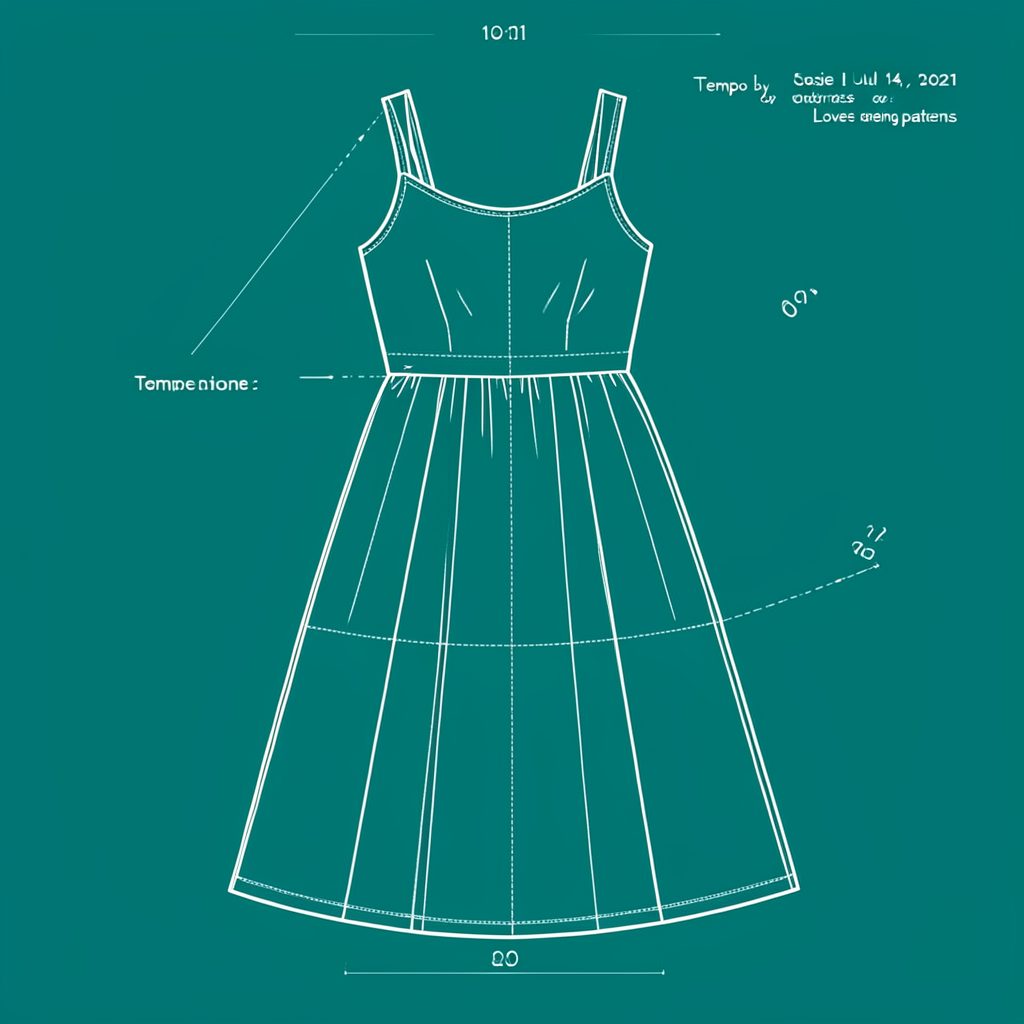
How To Draft A Pocket Bag For Trousers
A well-made pocket can transform a pair of handmade trousers. It gives you somewhere useful to keep your phone or keys, adds shape around the hip, and makes a garment feel far more polished. When a favourite trouser pattern has a pocket style you do not love, drafting your own pocket bag is a practical way to customise the fit and finish.
A pocket bag is the fabric piece that sits behind the pocket opening. It may be hidden inside the garment, but its shape affects comfort, bulk, and how neatly the pocket lies. With a few measurements and a sheet of paper, you can create a replacement that works with jeans, elasticated trousers, woven joggers, or tailored trousers.
The method below is suitable for beginners who are comfortable using a sewing machine, while offering enough detail for experienced sewists who want to alter an indie sewing pattern. You can use a traced pattern piece as a starting point or draft a completely new pocket from the trouser front.
Understand The Pocket Structure
A typical side-seam pocket has two main elements: the pocket opening, which is visible from the outside, and the pocket bag, which forms the pouch inside. The opening can be curved, angled, or shaped with a gentle diagonal, depending on the trouser design.
For a simple trouser pocket, the bag is usually attached to the pocket opening on the front leg and then sewn around its lower and outer edge. The remaining edge may be caught into the side seam and waistline. This construction keeps the bag secure while allowing the hand to slip easily into the pocket.
Before drafting, look closely at the trousers you are altering. Check whether the existing pocket is attached at the waistband, side seam, or both. Also note whether the garment has a fly front, a facing, belt loops, or a close-fitting hip. These details determine how much room you can give the new pocket bag.
Take Measurements From The Garment
The safest approach is to measure the actual trouser front rather than guessing from a diagram. Put the trousers flat and identify the complete pocket opening. Measure along the opening from its top point to its bottom point, following the curve or angle rather than using a straight ruler line.
Next, decide how deep and wide you want the pocket to be. A useful everyday pocket is often between 18 and 23 cm deep, but the best size depends on your hand, the garment’s proportions, and what you carry. Add extra depth below the opening so the contents do not slide out when you sit down.
Trace the opening onto paper using a ruler and French curve, or place tracing paper over an existing pocket piece. Mark the grainline parallel to the trouser leg’s grain. If the opening is part of a curved side seam, copy the curve carefully so the new piece will match the front leg without stretching or puckering.
For a new pocket bag, draw a smooth shape that begins at each end of the opening. The inner edge can curve gently down and across, creating a rounded pouch. Avoid sharp corners, as they are harder to sew and can create weak points. Add a notch at the top and bottom of the opening to help with accurate assembly.
Build A Paper Pattern
Start with the pocket-opening line you have traced. This line represents the seam where the pocket bag will join the trouser front. From it, extend the pocket bag inward and downward. Keep the upper edge aligned with the waistband area if the original pocket is secured there.
A generous curve is usually more comfortable than a narrow, angular shape. Place your hand over the paper while drafting and check that the opening is large enough to enter without catching on the seam. If you want to carry a phone, place it on the paper and allow at least a little movement around it.
Add seam allowances after the main shape is complete. A 1 cm allowance suits many dressmaking patterns, while 1.5 cm may be preferable for sturdy denim or a beginner-friendly seam. The pocket opening itself should have the same allowance as the trouser front so the edges align correctly.
| Pattern Area | What To Check | Useful Starting Point |
|---|---|---|
| Pocket opening | Hand can enter comfortably | 17–20 cm |
| Pocket depth | Contents remain secure when seated | 18–23 cm |
| Seam allowance | Matches the trouser pattern | 1–1.5 cm |
| Grainline | Runs parallel to the leg | Straight with trouser grain |
| Notches | Mark opening ends and attachment points | Two or more clearly labelled marks |
Cut out the paper piece and place it over the trouser front. The opening should match precisely, with no gaps or excess paper along the seam. If the pocket bag meets the waistband, check that it does not extend into a fly, button extension, or waistband fastening.
Choose Fabric For Comfort And Stability
Pocket bags do not need to match the trouser fabric. Lightweight cotton lawn, cotton poplin, rayon challis, and lining fabric can all work well, provided they are strong enough for regular use. A slippery fabric makes pockets easy to access, while cotton gives a more stable and familiar finish.
Avoid very thick fabric unless the trousers are made from heavy denim or canvas. Bulky pocket bags can show through the front and make the hip area feel crowded. If the main trousers are substantial, use a medium-weight pocketing fabric for balance rather than adding another layer of denim.
This is also a useful place to use a treasured fabric remnant. A patterned scrap can bring a little personality to an otherwise practical garment, much like the small design decisions in a beginner-friendly Marigold project. Prewash both fabrics if the trousers will be washed, and press them before cutting.
Sew The Pocket Bag Neatly
Transfer the grainline, notches, and any matching points to the fabric. Cut two pocket bags if the trousers have a pair of mirrored pockets, remembering to flip the paper pattern for the opposite side. Mark the wrong side of each piece so the bags do not accidentally face in different directions.
With right sides together, pin the pocket bag to the trouser front along the opening. Sew the seam slowly, especially around a curve. Clip into the seam allowance without cutting the stitching, then turn the pocket bag to the inside and press the seam from the trouser side.
Understitching is worth adding because it helps the pocket bag roll neatly inside the garment. Sew through the seam allowance and pocket bag close to the seam, keeping the trouser front out of the stitching. Press again, then edge-stitch the opening if the style calls for visible topstitching.
Place the front and pocket bag together with their right sides facing as they will sit inside the garment. Sew around the outer pocket curve, then finish the raw edge with an overlocker, zigzag stitch, or clean-finish method. Finally, anchor the pocket bag at the side seam and waistband if the design requires it. Baste these points first and check that the pocket does not pull the front out of shape.
Test The Fit Before Finishing
A paper pattern can look generous on a table and feel surprisingly small once sewn. Make a quick toile from calico or use inexpensive fabric for the first version. Test the pocket while wearing the trousers, standing and sitting, with your usual items inside.
Look for drag lines radiating from the opening. These may indicate that the pocket bag is too short, too tight, or attached at the wrong angle. If the opening gapes, the pocket may be too deep or the side seam may need stabilising. A strip of lightweight fusible interfacing along the opening can help prevent stretching in soft woven fabric.
If you are adapting an existing pattern, it is helpful to consider the overall garment shape before making changes. The advice in this guide to choosing an indie pattern can also help when deciding whether a pocket adjustment should follow the hip curve, sit higher on the waist, or remain straighter through the side seam.
Keep These Drafting Habits
A few simple habits make self-drafted details easier to repeat and refine:
- Label the pattern piece with its name, cut quantity, fabric placement, and seam allowance.
- Record the pocket opening length and finished depth in a sewing notebook.
- Keep the first paper version so you can compare it with later adjustments.
- Use a contrasting thread for the toile, making fitting problems easier to spot.
- Press at every stage rather than waiting until the complete garment is assembled.
Once the shape works, transfer it to card or pattern paper for durability. Store it with the trouser pattern and note which fabric weights it suits. You can then reuse the pocket bag for future pairs, altering only the opening or depth when the garment design changes.
Make The Pocket Part Of Your Toolkit
Drafting a pocket bag is a small alteration with a useful payoff. It lets you improve a commercial or indie pattern, use up suitable fabric scraps, and create pockets that fit your hands and daily routine. The more carefully you measure the opening and test the depth, the more naturally the finished pocket will sit.
Keep your paper template nearby during your next trouser project and adapt it to the style you are sewing. Cut a toile, make the adjustments, and then use the refined pattern in your favourite fabric. With each pair, you will build a reliable library of custom pocket shapes that make handmade clothes feel genuinely yours.
Popular Pattern Reviews
| Pattern | Designer | Type | Highlight |
|---|---|---|---|
| Compose Robe (Kids) | Love Notions | Robe / Loungewear | Sizes 2T–16, cosy & practical |
| Tempo Sundress | Love Notions | Sundress | No closures, shirred back panel |
| Arlington Sweater | Love Notions | Sweater | Cold-weather staple |
| Sybil Illusion Skirt | Love Notions | Skirt (knit) | 7 variations, optional pockets |
| Camden Pinafore | Nina Lee Patterns | Pinafore dress | Year-round layering piece |
| Ogden Cami (dress hack) | True Bias | Cami / Dress | Versatile wardrobe builder |
| Burda 6829 | Burda | Dress | Multi-sized, special-occasion |
Stay in Touch
Subscribe to the newsletter for sewing inspiration, pattern tips, and project ideas delivered straight to your inbox.