How to Sew a Lettuce Hem on Knit Fabrics
A lettuce hem is a playful, rippled edge that gives knit garments a soft, frilled finish. Instead of lying flat like a conventional twin-needle hem, the fabric is stretched as it is stitched, allowing the cut edge to contract into a delicate wave. It works especially well on jersey tops, camisoles, dancewear, children’s clothes and lightweight knit dresses.
This finish is quick to sew once you understand how fabric stretch, thread tension and stitch width work together. You do not need an overlocker, although a serger can produce a neat lettuce edge with very little effort. A standard sewing machine, a suitable needle and a little practice are enough for a successful result.
The most important part is testing on a scrap cut from the garment fabric. Different jerseys respond in very different ways: a fine viscose knit may create a dramatic ruffle, while a stable cotton jersey may produce a subtle wave. Treat your sample as a small fitting session for your hem.
What Creates A Lettuce Hem
A lettuce hem forms when the raw edge of a knit is sewn while it is stretched. Once the fabric is released, the stitches pull the edge back together and create a gathered, undulating effect. The more you stretch the fabric during stitching, the fuller and more pronounced the lettuce edge will be.
The finish is most predictable on fabrics with good crosswise stretch and recovery. Lightweight rayon jersey, cotton elastane, rib knit and fine polyamide knits are all useful choices. Thick sweatshirt fleece, loosely knitted fabrics and jerseys with poor recovery can become bulky or lose their shape.
The edge can be left raw because most knit fabrics do not unravel in the same way as woven cloth. If your fabric curls excessively, sheds fibres or looks untidy, a narrow zigzag or overlocked stitch will contain the edge while preserving the decorative wave.
Select The Right Tools And Fabric
Use a ballpoint or stretch needle rather than a universal needle. Its rounded tip slips between knit loops and reduces the risk of skipped stitches or small holes. Choose a polyester all-purpose thread, which has enough durability for everyday garments and a little flexibility when combined with a zigzag stitch.
A presser foot that moves smoothly over the fabric is helpful. If your machine has adjustable presser-foot pressure, reducing it slightly can prevent lightweight jersey from stretching or tunnelling as it passes under the foot. A walking foot may also improve feeding, though it is not essential for every knit.
Before sewing, press the hem gently without stretching it and mark the intended finished edge with washable chalk or a fabric pen. If the pattern includes a curved hem, staystitching just inside the seam allowance can stop the edge from growing during handling. For inspiration on how playful knit details can work in a finished garment, see this Elle bodysuit review, which considers shape, fabric and construction together.
Prepare The Hem Before Stitching
Finish the garment seams before tackling the lettuce edge. Shoulder seams, side seams and any areas that need stabilising should be completed first, so the hem is the final decorative operation rather than something that must support later construction.
Trim the hem allowance to a consistent width. Around 6 mm to 10 mm is usually sufficient for a narrow machine-made lettuce hem. A wider allowance can become visible inside the ripple, especially on lightweight fabric. If the pattern has a deep hem allowance, redraw the hemline and remove the excess before sewing.
Join the hem carefully if the garment is sewn in the round. Match side seams, distribute any ease evenly and avoid creating a tight spot. On a curved edge, use plenty of clips rather than pins if the fabric shifts easily. A smooth, evenly prepared edge gives the machine a much better chance of creating a regular wave.
Choose A Sewing Method
A conventional sewing machine gives you the most control over the amount of stretch. Set it to a narrow zigzag, usually around 1.5 mm wide and 1.5 mm to 2.5 mm long, then test the settings on a folded scrap. Sew directly over the raw edge while gently stretching the fabric in front of and behind the presser foot.
Do not pull so hard that the needle bends or the fabric distorts into a ladder of holes. The fabric should be extended smoothly, with consistent tension along the entire hem. Release it after stitching and allow the edge to curl naturally before deciding whether the wave is strong enough.
| Sewing method | Useful starting point | Best suited to | Expected finish |
|---|---|---|---|
| Narrow zigzag | 1.5 mm wide, 1.5–2.5 mm long | Most home sewing machines | Controlled, delicate ripple |
| Three-thread overlock | Narrow cutting width, light differential feed adjustment | Lightweight to medium knits | Fast, clean and elastic edge |
| Rolled hem on serger | Rolled-hem setting with moderate stretch | Fine jersey and lingerie-style fabrics | Tiny, defined frill |
| Stretch straight stitch | Machine-specific setting with careful testing | Firm knits with limited movement | Subtle wave, less decorative |
A serger can sew and neaten the edge in one pass. Remove the left needle if using a three-thread stitch, reduce the cutting width if necessary and experiment with differential feed. A setting below 1 may encourage the fabric to ripple, but the correct number depends on the machine and fabric. Keep the knife close enough to trim uneven fibres without cutting away too much of the garment.
Manage Stitching Problems
Skipped stitches often indicate the wrong needle, blunt needle or unsuitable thread tension. Replace the needle with a fresh stretch or ballpoint version and check that it is fully inserted. If the problem continues, slow down and test a slightly longer zigzag, as very short stitches can struggle with springy jersey.
If the hem waves too much, reduce the amount of stretching or increase the stitch length slightly. You can also choose a wider hem allowance and sew farther from the edge, which may create a softer effect. If the hem stays flat, increase the stretch gradually rather than changing several machine settings at once.
Puckering usually comes from excessive tension, pressure or stretching. Lower the upper thread tension a little, reduce presser-foot pressure if available and support the fabric without dragging it. Tissue paper beneath the edge can help very light knits feed evenly; tear it away carefully after stitching.
Press And Inspect The Finished Edge
Avoid pressing a lettuce hem flat. Steam held just above the fabric can relax the stitches, but direct pressure may remove the ripples you have created. Instead, let the garment rest flat and allow the edge to recover naturally. A light mist of water followed by gentle shaping with your fingers is usually enough.
Inspect the hem from the right and wrong sides. Look for skipped stitches, loose loops, stretched sections and places where the raw edge has escaped the zigzag. Small irregularities can add charm, but large flat patches or tight knots may need unpicking and resewing.
If the edge is uneven because the fabric stretched inconsistently, do not immediately trim it shorter. Wash or steam the garment first, since the knit may recover after handling. Once the final shape is clear, carefully remove only the most obvious protruding fibres.
Apply The Finish With Confidence
A lettuce hem can be used on more than a garment’s bottom edge. Try it on sleeve cuffs, neckline edges, pocket openings, pyjama legs or decorative tiers. On a child’s top, a contrasting thread can make the ruffle look intentional; on an adult jersey garment, matching thread keeps the detail understated.
For a balanced design, repeat the finish in at least two places or keep it confined to one clearly decorative area. A rippled hem pairs well with simple silhouettes because the edge provides visual movement without requiring extra trims. It is also a useful way to refresh an old knit top with a shortened hem.
These practical habits make the finish more reliable:
- Test the exact fabric, needle and thread combination before sewing the garment.
- Keep the raw edge width even, especially around curves and side seams.
- Stretch the fabric consistently rather than pulling sharply in short sections.
- Record successful stitch settings on a scrap of fabric or in your sewing notebook.
- Wash and steam the sample before deciding whether the ripple is complete.
A neat lettuce hem comes from accepting a little variation while controlling the fundamentals. The wave should look lively, not perfectly engineered, but the stitching still needs to secure the edge and allow the garment to stretch over the body.
For more approachable pattern ideas, fabric notes and construction guidance, browse Josie's sewing blog and compare the techniques with projects already in your sewing queue. Then choose a small knit remnant, practise a few rows and add a lettuce hem to your next jersey project.
Popular Pattern Reviews
| Pattern | Designer | Type | Highlight |
|---|---|---|---|
| Compose Robe (Kids) | Love Notions | Robe / Loungewear | Sizes 2T–16, cosy & practical |
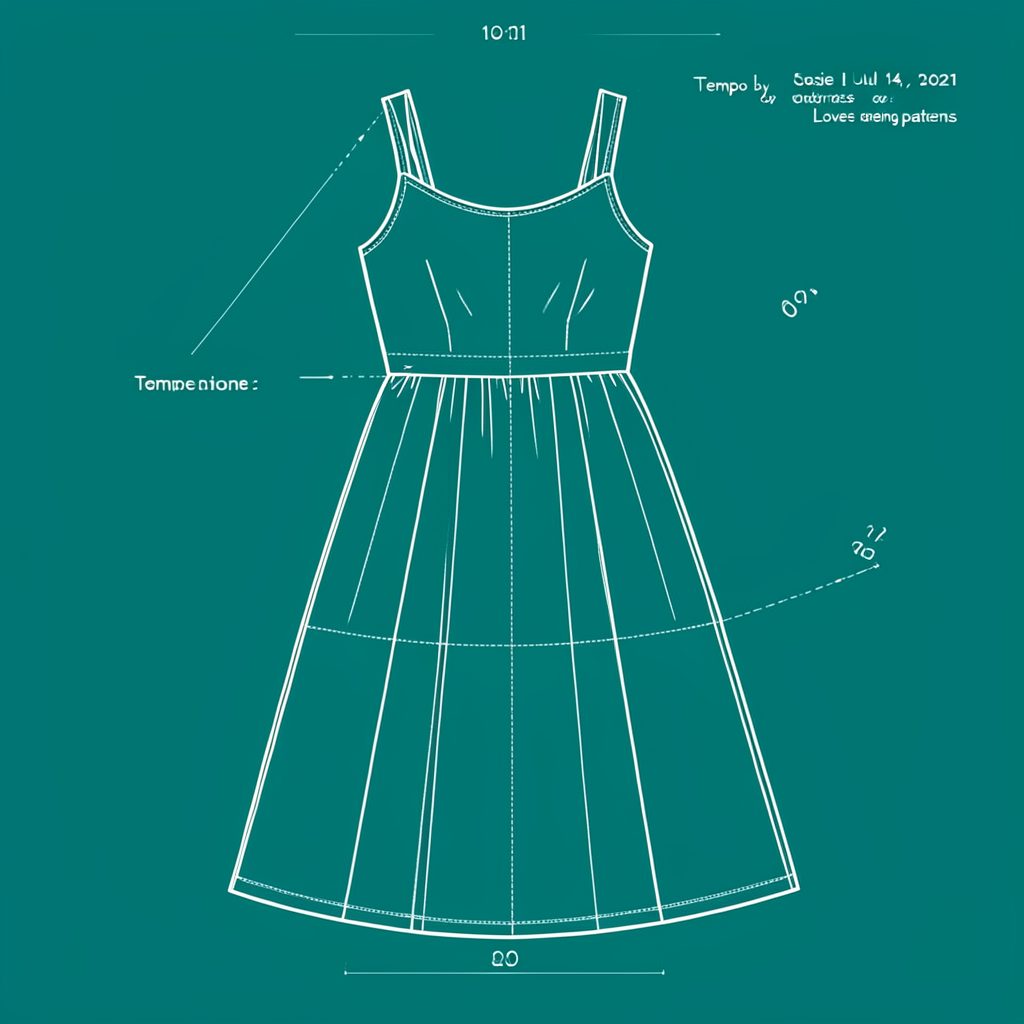
| Tempo Sundress | Love Notions | Sundress | No closures, shirred back panel |
| Arlington Sweater | Love Notions | Sweater | Cold-weather staple |
| Sybil Illusion Skirt | Love Notions | Skirt (knit) | 7 variations, optional pockets |
| Camden Pinafore | Nina Lee Patterns | Pinafore dress | Year-round layering piece |
| Ogden Cami (dress hack) | True Bias | Cami / Dress | Versatile wardrobe builder |
| Burda 6829 | Burda | Dress | Multi-sized, special-occasion |
Stay in Touch
Subscribe to the newsletter for sewing inspiration, pattern tips, and project ideas delivered straight to your inbox.