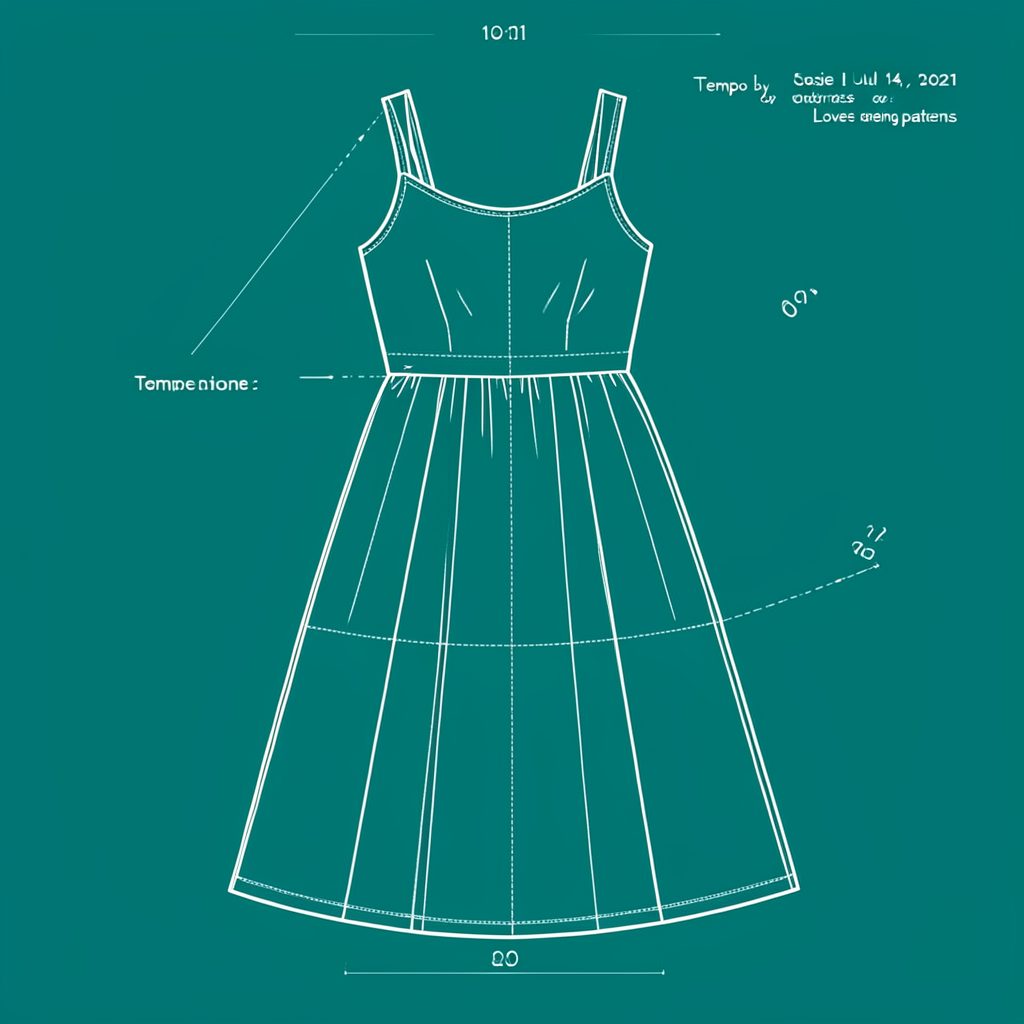
Love Notions Abigail Wrap Skirt: A No-Zipper Make
The Love Notions Abigail Wrap Skirt is the kind of project that makes a handmade wardrobe feel immediately more achievable. With its wrap-style front and straightforward construction, it offers the visual interest of a carefully designed skirt without asking you to install a zip, draft a complicated waistband, or wrestle with difficult fitting adjustments.
For a Yorkshire sewist, it is also a practical pattern for fabrics that suit everyday dressing. Linen, cotton lawn, rayon, chambray, and lightweight denim can all create very different results, from an airy summer skirt to a more structured garment for cooler months. The pattern has enough flexibility to become a useful staple rather than a one-season project.
The no-zipper approach does not mean the finished garment feels unfinished. A neatly constructed waistband, tidy wrap edge, and well-pressed seams are what make this style look polished. It is a good project for building confidence with woven fabric and a satisfying choice when you want something wearable in a weekend.
Why The Wrap Style Works
A wrap skirt creates movement while keeping the sewing relatively uncomplicated. Instead of joining a centre-front seam and adding a fly or concealed fastening, the overlapping front panels form the main design feature. The diagonal lines are flattering and give a simple silhouette more personality.
The wrap also makes the skirt feel forgiving at the waist. Rather than relying on a precise zip opening, the garment can be adjusted through its waist fastening and overlap. That makes it especially useful when your measurements sit between sizes or when you prefer a little flexibility after meals and throughout the day.
The design suits both simple and patterned fabrics. A plain linen lets the angled front and seam details take centre stage, while a small floral or stripe can create an interesting change of direction across the wrap. If using a bold print, check how the pieces meet before cutting so the most prominent motifs do not land awkwardly.
Choosing Fabric For A Good Drape
Fabric choice has a strong effect on the Abigail skirt. A fluid woven gives a softer, more relaxed wrap, while a fabric with body creates clearer lines and a slightly more structured appearance. Cotton lawn and rayon are comfortable options for warm weather, although rayon may need extra care during cutting because it shifts easily.
Linen is particularly appealing for this style because it is breathable, textured, and naturally suited to casual skirts. Before cutting, read these linen preparation tips to reduce surprises caused by shrinkage, fraying, or distortion. Linen will crease during wear, but that is part of its character; the key is to prepare it properly and handle it gently.
For a skirt with more structure, try a lightweight cotton twill, chambray, or soft denim. Avoid fabric that is too stiff or bulky around the waist, as several layers may meet at the overlap and waistband. Very slippery fabric can also make the wrap harder to position neatly, particularly if this is your first version.
Preparing The Pattern And Fit
Start by taking accurate waist and hip measurements rather than choosing a size based on ready-to-wear clothing. Compare those measurements with the pattern chart and finished garment information. A wrap skirt often needs particular attention at the hip, because insufficient ease can affect how securely the front overlaps when walking or sitting.
If your measurements span more than one size, blend gradually between sizes at the side seams. It is also worth checking the finished length before cutting. A skirt that looks midi-length on a taller model may fall closer to the ankle on a shorter wearer, while a petite adjustment can alter where the wrap sits on the leg.
Make a quick toile if you are uncertain about the fit, especially when using a precious fabric. You do not necessarily need to make the whole skirt in calico; testing the waistband, hip area, and wrap position may be enough. Mark the intended waistline on the toile and sit, walk, and bend in it to check coverage.
Construction Details That Matter
Although the Abigail is a no-zipper make, accuracy still matters. Transfer all notches and any placement marks before sewing, particularly around the wrap and waistband. These small references help the panels align and make it easier to understand which edges should be joined, turned, or finished.
Use a fresh universal needle suited to your fabric and test the stitch length on scraps. Woven fabrics generally benefit from a neat straight stitch and properly finished seam allowances. Linen and loosely woven cotton can fray quickly, so pinking, overlocking, zigzagging, or enclosed seams may be useful depending on the construction.
Press as you sew rather than waiting until the garment is complete. Pressing seams open or in the recommended direction gives the skirt a cleaner shape, while a pressing cloth protects delicate fabrics. Take care when pressing the wrap edge: stretching it with the iron can introduce a wavy hem that is difficult to correct later.
| Fabric choice | Resulting look | Handling notes | Best use |
|---|---|---|---|
| Linen | Relaxed and breathable | Pre-wash and expect fraying | Everyday summer skirt |
| Cotton lawn | Light and smooth | Easy to cut and press | Warm-weather version |
| Rayon | Fluid and swishy | Cut carefully to prevent shifting | Dressier drape |
| Chambray | Casual with moderate body | Straightforward for beginners | Year-round wardrobe staple |
| Lightweight denim | More structured | Reduce bulk at seams | Utility-inspired skirt |
Sewing A Clean Waist And Wrap
The waistband deserves patience because it controls comfort and stability. Stay-stitching where appropriate, matching the waist seam carefully, and grading bulky seam allowances can make the inside look as considered as the outside. If the pattern uses ties or another wrap fastening, reinforce the attachment points so they can withstand regular use.
Before finishing the hem, try the skirt on with the shoes you expect to wear with it. Check that the wrap sits securely and that the hemline is level. A wrap front can create the illusion of unevenness if the garment is not positioned correctly, so pin the overlap in place and inspect it from several angles.
A narrow, well-pressed hem usually works beautifully with lightweight fabric. A deeper hem may suit linen or chambray but can add weight to a fluid skirt. If the fabric is prone to fraying, finish the raw edge before turning the hem, and avoid pulling the fabric as you stitch.
Making The Pattern Your Own
The easiest way to personalise this skirt is through fabric and styling. Add a simple top and sandals for a relaxed outfit, or pair a darker version with tights, boots, and a cardigan. A belt can emphasise the waist, although test it with the wrap fastening first to ensure it does not interfere with the overlap.
Consider making a wearable toile in an inexpensive fabric before cutting linen or a special print. That first version can reveal whether you want a shorter length, a deeper hem, or a different degree of overlap. It also gives you a chance to practise the construction sequence without worrying about every stitch.
Keep notes as you sew: the size cut, fabric type, adjustments, and anything you would change next time. Sewing patterns become more useful when each version teaches you something. If you are sharing the finished skirt online or reviewing the pattern, remember to check my disclosure policy and describe clearly how the sample was made.
Practical Checks Before You Cut
- Measure your waist and hip, then compare both with the pattern chart and finished measurements.
- Wash and dry your fabric using the care method you expect to use for the finished skirt.
- Make a small test sample for the waistband, wrap edge, and seam finish.
- Check the overlap while walking and sitting before committing to the final hem.
- Press every major seam and reinforce fastening points for regular wear.
The Abigail Wrap Skirt is a rewarding choice when you want a pattern with style but without a zipper installation. Its wrap construction leaves room to focus on fabric, fit, pressing, and finishing, while the finished garment can move easily between casual and polished outfits. Choose a manageable fabric, take time over the waist and overlap, and let the first version guide the next. Then cut into the fabric you have been saving and make a skirt that earns regular wear.
Popular Pattern Reviews
| Pattern | Designer | Type | Highlight |
|---|---|---|---|
| Compose Robe (Kids) | Love Notions | Robe / Loungewear | Sizes 2T–16, cosy & practical |
| Tempo Sundress | Love Notions | Sundress | No closures, shirred back panel |
| Arlington Sweater | Love Notions | Sweater | Cold-weather staple |
| Sybil Illusion Skirt | Love Notions | Skirt (knit) | 7 variations, optional pockets |
| Camden Pinafore | Nina Lee Patterns | Pinafore dress | Year-round layering piece |
| Ogden Cami (dress hack) | True Bias | Cami / Dress | Versatile wardrobe builder |
| Burda 6829 | Burda | Dress | Multi-sized, special-occasion |
Stay in Touch
Subscribe to the newsletter for sewing inspiration, pattern tips, and project ideas delivered straight to your inbox.