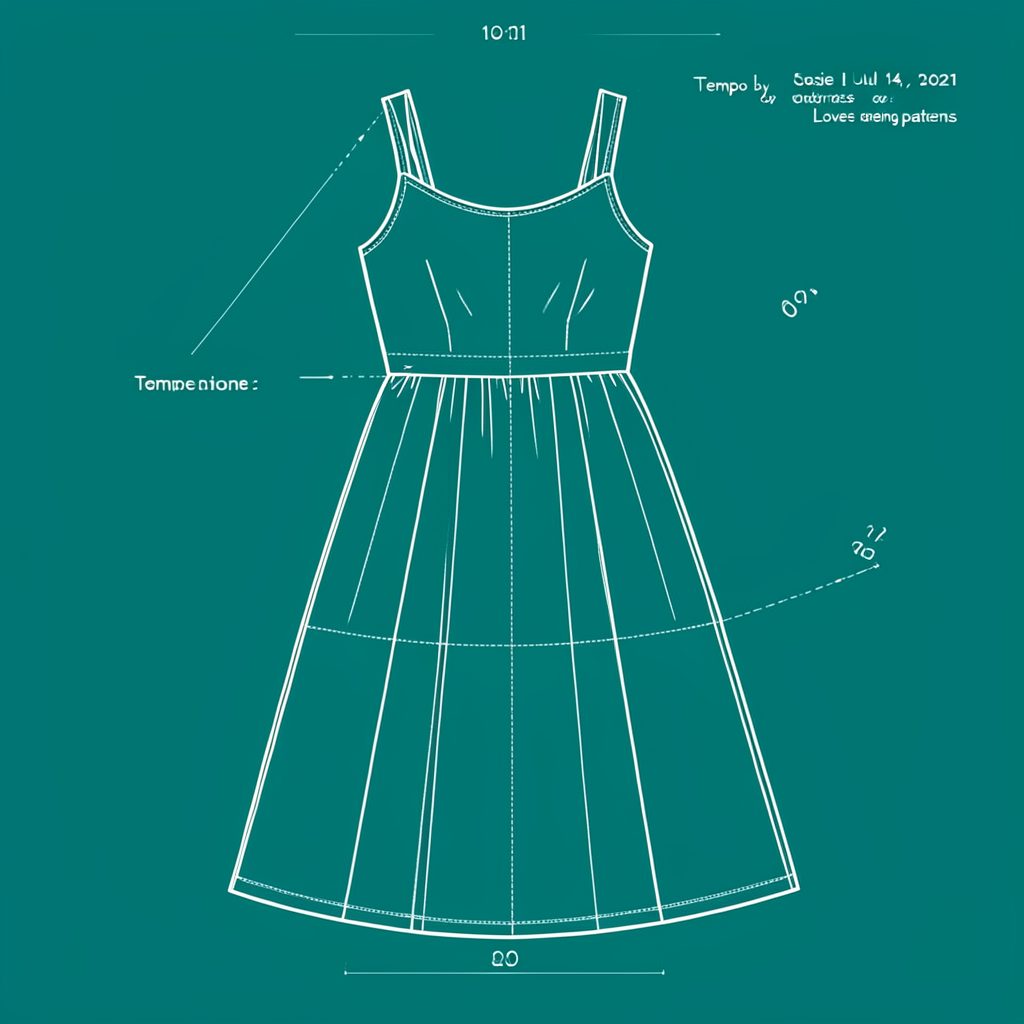
Love Notions Evelyn Top Pattern Review And Styling Tips
The Love Notions Evelyn Top is the sort of project that earns a regular place in a handmade wardrobe: wearable enough for everyday outfits, adaptable across seasons, and interesting enough to keep a sewist engaged at the machine. Its appeal lies in the balance between a straightforward sewing process and the opportunity to make thoughtful choices about fabric, colour and finish.
As with any indie sewing pattern, the final result depends on more than the line drawing. Fabric weight, stretch, body measurements and the intended amount of ease all influence the fit. A carefully chosen fabric can make the top feel polished and fluid, while the wrong one may hide the shape or make an otherwise successful garment feel less comfortable.
This review looks at the practical experience of making the Evelyn, from selecting materials to adjusting fit and building outfits around the finished top. It sits comfortably within the approachable, project-focused ethos of It Is Josie, where sewing patterns are considered as part of real wardrobes rather than isolated makes.
First impressions of the Evelyn pattern
The Evelyn has the flexibility that makes a pattern especially useful for repeat sewing. Its overall shape can work as a simple everyday top, but small changes in fabric and styling give each version a different personality. A fluid print can create a relaxed blouse effect, while a more stable knit or smooth solid colour can look clean and refined.
The pattern instructions are best approached as a sequence of manageable stages rather than one large project. Taking time to identify the view, check the finished measurements and understand the construction order will make the sewing feel much more predictable. This is particularly helpful for beginners who may be more familiar with basic T-shirts than with shaping around the neckline or upper body.
One of the strongest features is the potential for customisation. Sleeve length, hem treatment, contrast fabric and colour blocking can all change the appearance without altering the essential fit. That makes the Evelyn a useful pattern for testing a new fabric type or developing a personal wardrobe palette.
Choosing fabric for a comfortable fit
Fabric selection deserves attention because the Evelyn’s drape and ease will determine whether it looks softly relaxed or more structured. A lightweight knit may produce a casual top with gentle movement, while a woven fabric, if supported by the pattern’s requirements, can give a sharper silhouette. Always check the current pattern description for the recommended fabric type and stretch percentage before cutting.
Rayon jersey, modal blends and lighter cotton knits are attractive options when softness and fluidity are priorities. They can be pleasant to wear, although slippery fabrics may require more careful cutting and stabilising around areas that need support. A cotton-spandex jersey is often easier for a first version because it provides recovery and behaves more predictably under the presser foot.
For anyone building confidence with independent patterns, these fabric recommendations are useful when comparing drape, stretch and handling. Swatching is worth the extra few minutes: wash the sample, stretch it gently and observe how it hangs before committing to the full garment.
Print scale also affects the finished impression. A small scattered print can disguise minor fitting changes, whereas a stripe or large motif makes placement more visible. For a first Evelyn, a stable solid or forgiving all-over print may be the least stressful choice.
Construction details worth planning
Before sewing, transfer essential markings and keep the pattern pieces organised. Necklines, sleeve joins and hems are easier to handle when the seam allowances are clearly understood. If the fabric is lightweight or prone to stretching, staystitching or a narrow strip of stabiliser can help prevent the neckline from growing during construction.
A twin needle, zigzag stitch or stretch overlocker seam may be appropriate for knit fabrics, but the best choice depends on the machine and material. Test on scraps using the same number of layers as the garment. The aim is a seam that stretches with the fabric without creating tunnels, popped stitches or a wavy edge.
Pressing is another small step with a visible effect. Use a low or moderate temperature suited to the fabric, and press rather than drag the iron across delicate sections. A tailor’s ham or rolled towel can support curved areas while keeping the shape smooth.
The hem should be treated as part of the design rather than an afterthought. A neat twin-needle finish gives a familiar ready-to-wear look, while a narrow turned hem or coverstitch creates a quieter finish. With a woven fabric, a clean folded edge can add a little structure and definition.
Fit adjustments before cutting
Begin with body measurements and the pattern’s finished garment measurements, not with a habitual size. Compare the bust, waist and hip areas separately, then consider how much ease feels comfortable for the intended fabric. If measurements fall across different sizes, blending between sizes may be more successful than choosing one size throughout.
A full bust adjustment may be useful when the bust measurement differs significantly from the pattern’s draft. Signs that an adjustment is needed include horizontal drag lines, a hem that lifts at the front or excess fabric near the armhole. Conversely, a narrow shoulder adjustment may improve the fit if the shoulder seam extends beyond the natural shoulder point.
Make a toile or test version when the fabric is expensive, highly patterned or difficult to replace. It does not need to be beautiful; an inexpensive fabric with similar stretch and weight is enough to check the neckline, shoulder position, bust area and overall length. Mark alterations directly on the test garment so the changes are easier to transfer.
Length is also worth considering. A cropped version may work well with high-waisted trousers or skirts, while a longer hem can provide useful coverage with leggings. Petite sewists may prefer a shortened bodice, whereas taller makers might add length through the designated adjustment lines rather than simply extending the hem.
Styling the finished top
The Evelyn can move between casual and polished outfits with relatively little effort. Tuck it into high-waisted jeans to define the waist, or leave it loose over slim trousers for a relaxed weekend silhouette. A short cardigan or denim jacket adds texture without competing with an interesting neckline or print.
For workwear, choose a plain fabric in navy, charcoal, cream, olive or burgundy and pair the top with tailored trousers. Simple jewellery and loafers can make the outfit feel considered while keeping the handmade garment central. A tucked-in version under a structured blazer is especially effective when the fabric has a smooth surface and good recovery.
A floral or geometric print can become the focus of an outfit. Keep the other pieces quiet, using one colour from the fabric for shoes, a bag or a light layer. If the print is bold, a half tuck can add shape without interrupting the pattern placement.
Seasonal styling is straightforward. Wear the top with shorts or a linen skirt in warmer weather, then layer it beneath a pinafore, cardigan or sleeveless dress when temperatures drop. The same sewing pattern can therefore support several wardrobe gaps rather than creating a single-use garment.
| Fabric choice | Overall effect | Useful styling direction |
|---|---|---|
| Cotton-spandex jersey | Casual, stable and easy to wear | Jeans, trainers and a utility jacket |
| Rayon or modal jersey | Soft, fluid and drapey | Tailored trousers, flats and delicate jewellery |
| Lightweight printed knit | Relaxed with visual interest | Plain skirt or denim with minimal accessories |
| Structured suitable woven | Sharper and more blouse-like | Workwear trousers, blazer or smart cardigan |
What I would change for another version
A second make is the best opportunity to refine the details that are difficult to judge on paper. I would compare the first garment with the finished measurements, then assess whether the neckline sits comfortably, the sleeves allow movement and the hem lands where expected. Photographs taken from the front, side and back can reveal balance issues that are easy to miss in a mirror.
If the first version feels too loose, reduce width gradually rather than removing a large amount at one seam. If it feels too close, identify whether the problem is at the bust, waist, shoulder or sleeve before adding ease. Small, targeted adjustments usually preserve the intended shape more effectively than broad alterations.
The next version could also explore a different fabric personality. A plain knit makes a useful wardrobe basic, while a textured or patterned fabric turns the Evelyn into a statement piece. Changing only the sleeve length or hem finish can make the pattern feel new without requiring another fitting experiment.
Practical choices for a successful make
- Measure the body and finished garment before selecting a size.
- Check fabric stretch, recovery, weight and washing behaviour.
- Sew a test section around the neckline or a complete toile when uncertain.
- Stabilise areas that may stretch during sewing and test the chosen stitch first.
- Photograph the finished top with several outfits to assess its wardrobe versatility.
The Evelyn is a practical addition to an indie pattern collection because it rewards both careful planning and creative experimentation. Its success comes from choosing the right fabric, respecting the fit process and treating finishing details as part of the design.
If you are planning your own version, start with a fabric that matches your current sewing confidence and wardrobe needs. Share your finished top, adjustments and styling ideas with the sewing community, and let one well-tested make become the starting point for several more.
Popular Pattern Reviews
| Pattern | Designer | Type | Highlight |
|---|---|---|---|
| Compose Robe (Kids) | Love Notions | Robe / Loungewear | Sizes 2T–16, cosy & practical |
| Tempo Sundress | Love Notions | Sundress | No closures, shirred back panel |
| Arlington Sweater | Love Notions | Sweater | Cold-weather staple |
| Sybil Illusion Skirt | Love Notions | Skirt (knit) | 7 variations, optional pockets |
| Camden Pinafore | Nina Lee Patterns | Pinafore dress | Year-round layering piece |
| Ogden Cami (dress hack) | True Bias | Cami / Dress | Versatile wardrobe builder |
| Burda 6829 | Burda | Dress | Multi-sized, special-occasion |
Stay in Touch
Subscribe to the newsletter for sewing inspiration, pattern tips, and project ideas delivered straight to your inbox.