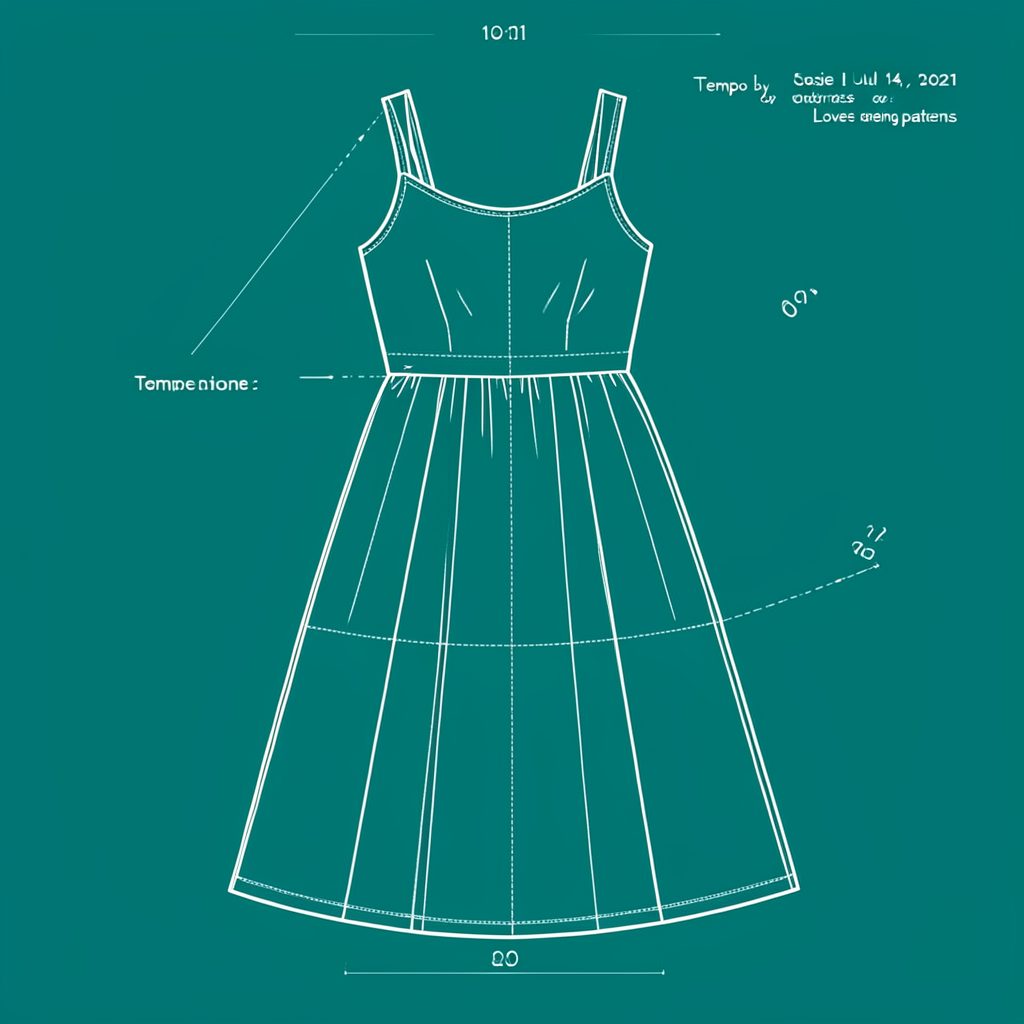
Love Notions nightshirt pattern: a perfect loungewear hack
A comfortable nightshirt is one of those handmade garments that earns its place in regular rotation. It is quick to put on, easy to wash, and relaxed enough for slow mornings, reading in bed, or an evening spent sewing. With a few thoughtful changes, a Love Notions knit pattern can become a practical sleepwear staple without requiring an entirely new drafting project.
The appeal of this hack is its flexibility. You can begin with a familiar tee, tunic, or lounge dress, then adjust the length, shape, and neckline to suit your preferred nightwear. A soft cotton jersey gives the result a breathable, everyday feel, while bamboo, rayon jersey, or a lightweight modal creates a drapier garment for warmer nights.
This is also a useful project for building confidence. The construction is generally straightforward, but it still gives you opportunities to practise reading finished measurements, handling stretch fabric, stabilising shoulder seams, and creating a neat knit hem. Before starting, check the site disclaimer for relevant information about reviews, recommendations, and project links.
Choosing the right Love Notions starting point
A relaxed Love Notions knit pattern makes the strongest foundation for a nightshirt. Look for a design with a comfortable bust fit, a simple sleeve, and enough ease through the waist and hip. A basic tee can be lengthened, while a tunic or lounge dress may need only minor changes to become sleepwear.
The original silhouette matters more than the pattern name. A close-fitting top can feel restrictive when you are sleeping, particularly if the fabric has limited recovery. A design with moderate ease will be easier to wear and more forgiving when you are sitting, stretching, or moving around. If the pattern includes several cup sizes, begin with the option that best matches your upper-bust and full-bust measurements rather than simply choosing by ready-to-wear size.
Check the construction instructions before cutting. A nightshirt with a set-in sleeve, neckband, and separate hem is usually manageable for an intermediate beginner. If you want the fastest version, choose a pattern with fewer panels and a relaxed sleeve. Details such as a curved hem, pockets, or a yoke can be added later once the basic fit is working.
Planning the nightshirt hack
The most important alteration is length. Measure from the shoulder near the neckline to the point where you want the hem to finish, then compare that measurement with the pattern’s finished length. For a short nightshirt, the hem may sit around the upper thigh; for more coverage, extend it towards the knee. Keep in mind that the finished position can change when you raise your arms or sit down.
Lengthen the pattern through the body rather than adding all the extra fabric at the bottom edge. Look for the lengthen-and-shorten line, cut across it, and spread the pieces evenly. If there is no marked line, draw one through a relatively straight section of the pattern. Blend the side seams smoothly after spreading, and preserve the original hem shape unless you deliberately want a straighter finish.
A nightshirt does not need dramatic shaping, but it should still hang cleanly. If the pattern narrows sharply at the waist, consider reducing that contour slightly. You can also extend the side seams with a gentle outward line from the bust or waist to the hem. Make the same adjustment to the front and back so the side seams remain aligned.
Fabric, fit, and everyday comfort
Knit fabric is usually the easiest choice for this project because it provides comfort and movement without closures. Cotton jersey is a dependable option for beginners, especially when it is medium weight and has a moderate amount of crosswise stretch. A fabric with too little recovery may grow during wear, while an overly lightweight jersey can curl, twist, or show every uneven seam.
If you are buying fabric for your first independent pattern project, these fabric recommendations for beginners can help you compare suitable weights and fibre types. For a nightshirt, consider how the fabric feels against your skin as well as how it behaves under a sewing machine. A fabric that is technically suitable may still be uncomfortable if it is scratchy, clammy, or too warm.
| Fabric choice | Feel and drape | Best use | Points to check |
|---|---|---|---|
| Cotton jersey | Breathable and familiar | Everyday nightwear | Look for stable stretch and good recovery |
| Bamboo jersey | Soft and fluid | Warm-weather sleepwear | It can be slippery to cut and sew |
| Modal jersey | Smooth with excellent drape | A loose, elegant nightshirt | May need gentle handling and careful pressing |
| Cotton rib knit | Stretchy and cosy | A closer-fitting version | Check that it will not become too clingy |
| Lightweight sweatshirt knit | Warm and substantial | Cooler rooms or winter lounging | Reduce bulk at hems and necklines |
Wash and dry the fabric before cutting, using the method you expect to use for the finished garment. This removes much of the initial shrinkage and gives you a more realistic sense of the final handle. If the fabric changes significantly after washing, adjust your choice before spending time on the alteration.
Adjusting the neckline and sleeves
A high neckline can make a nightshirt feel warmer than expected, so a modest scoop or shallow V may be more comfortable. Any neckline change should be made gradually. Redraw the front and back neckline, then measure the new opening so you can calculate the length of the neckband. A band that is too long will gape; one that is too short can pull the neckline out of shape.
The usual neckband rule is to cut the band slightly shorter than the opening, with the exact percentage depending on the pattern and fabric recovery. Use the original pattern piece as a starting point, then test the adjustment on a fabric scrap or a quick toile. Stretch the band evenly while sewing, rather than pulling the garment neckline.
Sleeve length is another easy way to customise the hack. Short sleeves keep the garment cool, while elbow-length sleeves offer more coverage without feeling bulky. If you extend the sleeve, check that the cuff or hem will not catch on your arm when you turn over in bed. A simple double-fold sleeve hem is often sufficient, although a narrow band can add a polished finish.
Sewing techniques that improve the result
Use a stretch or ballpoint needle and a polyester thread. A narrow zigzag, lightning stitch, or stretch overlock stitch will allow the seams to move with the fabric. Test the settings on scraps first, because different jerseys can react very differently to the same stitch length and presser-foot pressure.
Stabilise the shoulder seams with clear elastic, stay tape, or a narrow strip of lightweight interfacing. This small step prevents the neckline and shoulders from stretching during construction and repeated washing. If the fabric is especially fluid, tissue paper under the seam can help it feed smoothly; remove the paper carefully after stitching.
Pressing is valuable even for casual sleepwear. Use a low to medium temperature appropriate for the fibre, and press rather than drag the iron across the fabric. A twin needle can create a professional-looking hem, but a zigzag hem or coverstitch is equally practical. The best finish is the one that remains flexible and does not make the hem ripple.
Personalising the finished loungewear
A plain nightshirt is a useful blank canvas for small details. Add a contrasting neckband, a curved hem, or a single chest pocket made from a coordinating remnant. If you enjoy embroidery, keep the design light and place it away from areas that may press against your skin while sleeping.
Pockets can be handy for carrying glasses, hair clips, or a phone around the house, but consider their position carefully. A low patch pocket may pull on a drapey fabric, while a small side-seam pocket can add comfort without changing the appearance. Reinforce the pocket opening and avoid heavy items that could distort the garment.
You can also make the nightshirt part of a matching handmade set. Use the same jersey for leggings, lounge shorts, or a simple robe, or choose a coordinating print for variety. When using patterned fabric, remember that a longer nightshirt uses more visual space, so a small-scale print or subtle stripe may feel easier to wear than a large directional design.
A practical order for cutting and sewing
Before cutting the final fabric, make a quick test version from an inexpensive jersey with a similar stretch percentage. It does not need perfect finishing; the purpose is to check length, neckline comfort, sleeve movement, and overall ease. Try sitting, reaching, and lifting your arms before deciding whether the shape needs further adjustment.
Use these checks to keep the project efficient:
- Compare body and garment measurements before changing the size.
- Mark the new length on both front and back pieces.
- Test the neckline and hem finishes on scraps.
- Stabilise shoulders before attaching the sleeves or neckband.
- Wash the finished nightshirt before judging its final fit.
Once the fit is right, the final version should come together quickly. Keep your altered pattern pieces clearly labelled with the finished length, fabric requirements, and any changes to the neckline or sleeves. That record makes it much easier to repeat the project or create a second version for a different season.
A Love Notions nightshirt hack is a small project with plenty of room for personal style. Start with a comfortable knit pattern, prioritise fabric handle and ease, and make one change at a time. Cut your test version, sew the first garment, and use what you learn to create a nightshirt that feels genuinely made for your evenings at home.
Popular Pattern Reviews
| Pattern | Designer | Type | Highlight |
|---|---|---|---|
| Compose Robe (Kids) | Love Notions | Robe / Loungewear | Sizes 2T–16, cosy & practical |
| Tempo Sundress | Love Notions | Sundress | No closures, shirred back panel |
| Arlington Sweater | Love Notions | Sweater | Cold-weather staple |
| Sybil Illusion Skirt | Love Notions | Skirt (knit) | 7 variations, optional pockets |
| Camden Pinafore | Nina Lee Patterns | Pinafore dress | Year-round layering piece |
| Ogden Cami (dress hack) | True Bias | Cami / Dress | Versatile wardrobe builder |
| Burda 6829 | Burda | Dress | Multi-sized, special-occasion |
Stay in Touch
Subscribe to the newsletter for sewing inspiration, pattern tips, and project ideas delivered straight to your inbox.