Love Notions Virginia Dress Review And Easy Sewing Hacks
The Love Notions Virginia Dress is the kind of pattern that earns a regular place in a handmade wardrobe. Its familiar dress shape gives you plenty of room to adjust the fit, while the interchangeable style options make the same basic pattern useful for everyday outfits, workwear and occasion sewing.
This review looks at the pattern from a practical home-sewing perspective: the fit, instructions, fabric choices and alterations that make the finished garment feel personal. As with any independent sewing pattern, check the current size chart and pattern files before cutting, since designers may update details over time.
For more information about site policies and sponsored or affiliate content, see the pattern review disclaimer. The focus here is an honest account of what makes this dress enjoyable to sew and where a little preparation pays off.
The Shape And Style Options
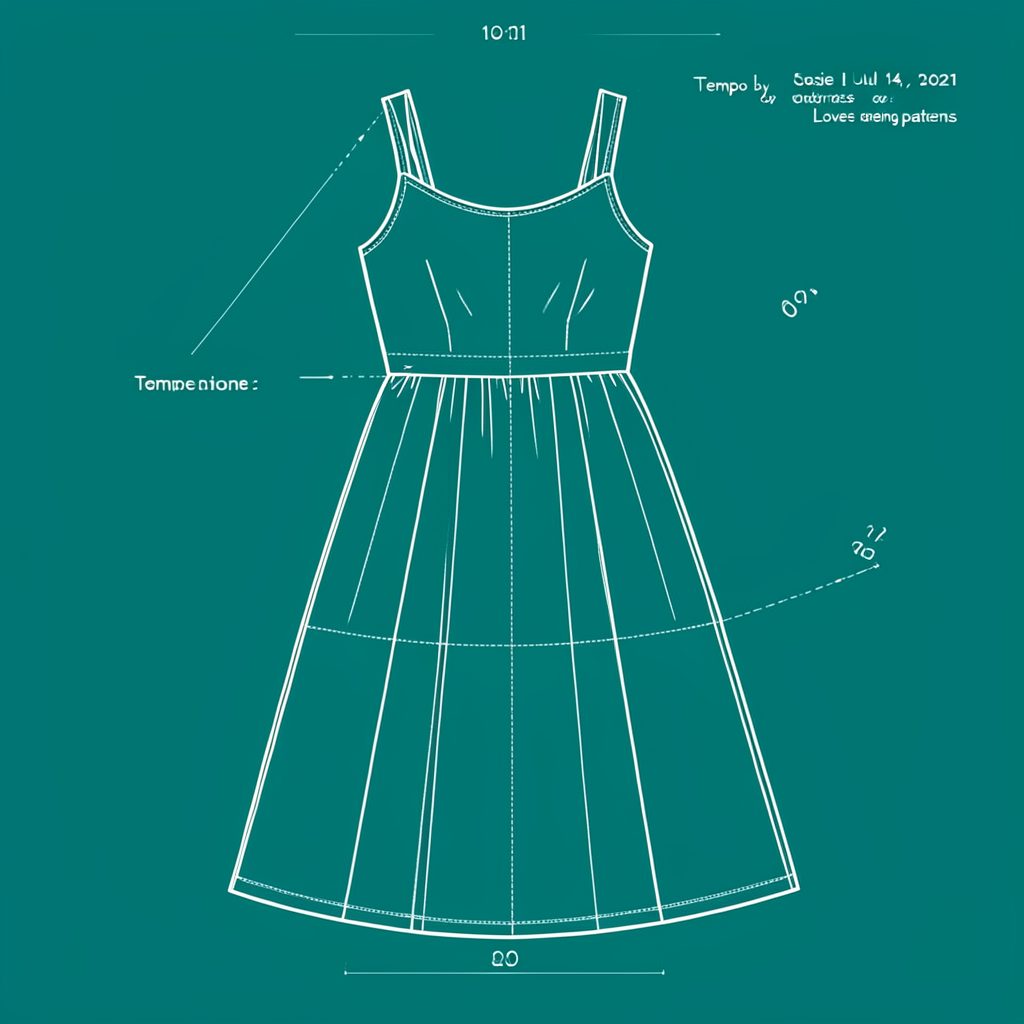
The Virginia Dress has a classic, feminine silhouette with a shaped upper section and a fuller skirt. That combination creates a defined waist without requiring the close-fitting construction of a sheath dress. It is an approachable style for sewists who want something more polished than a basic knit top but still comfortable enough for regular wear.
The pattern’s variations are one of its strongest features. Depending on the view you choose, you can work with different sleeve lengths, skirt proportions and neckline details. A shorter version can become a casual summer dress, while a longer skirt and sleeves create a useful autumn or winter outfit.
The overall design also lends itself to fabric and colour changes. A solid ponte gives the dress a smooth, structured appearance, while a printed cotton jersey makes it feel relaxed. Colour blocking the bodice and skirt can make a single pattern look like a completely different design.
Fit Before Cutting
Good preparation matters with a fitted dress. Take measurements over the underwear or clothing you expect to wear beneath the garment, then compare them with the finished garment measurements. The bust, waist and hip may place you in different sizes, so grading between sizes is often more accurate than choosing one size from the chart.
Pay particular attention to the finished ease. A knit dress should skim the body without pulling across the bust or waist, but the amount of negative or positive ease depends on the fabric. A stable ponte behaves differently from a lightweight rayon jersey, even when both are technically knit fabrics.
If your full bust measurement differs substantially from the pattern’s draft, consider a full bust adjustment before cutting. A small bust adjustment may also be useful for a narrower upper chest. Make a quick toile from inexpensive fabric, especially if you are changing the bodice length or working with a valuable print.
Fabrics, Notions And Construction
A medium-weight knit is a sensible starting point for the Virginia Dress. Ponte, cotton Lycra jersey and scuba-style knits can provide enough body for the skirt, although a very firm fabric may make gathers or curved seams feel bulky. Soft rayon jersey creates beautiful movement but can be less forgiving during cutting and stitching.
Use a stretch needle, polyester thread and a narrow zigzag or suitable stretch stitch unless you have an overlocker. Test the stitch on scraps before sewing the garment. The seams need to stretch with the fabric, particularly around the waist, neckline and sleeve openings.
The instructions are most helpful when followed in order, with the notches and markings transferred carefully. Pressing each seam as you go makes a noticeable difference to the finish. A twin needle or coverstitch can give hems a ready-to-wear appearance, but a neat zigzag is perfectly serviceable for a first version.
| Feature | What Works Well | Possible Adjustment |
|---|---|---|
| Bodice fit | Stable knit and careful size blending | Add or remove length at the bodice shorten/lengthen line |
| Skirt | Medium-weight fabric with good drape | Shorten for a casual dress or add length for a maxi effect |
| Neckline | Stay-stitching and gentle pressing | Raise the edge slightly for extra coverage |
| Sleeves | Stretch fabric with a recovery | Alter sleeve length or widen the cuff area |
| Waist seam | Accurate matching of centre points | Add clear elastic for extra stability |
| Beginner suitability | Clear steps and repeatable construction | Make a toile before using drapey or slippery knit |
Helpful Hacks For A Custom Version
The simplest Virginia Dress alteration is changing the length. Mark the pattern’s adjustment line and add or remove length there rather than cutting randomly from the hem. This keeps the proportions more balanced. If you want a tunic-style garment, lengthen the skirt modestly and check that the side seams still hang vertically.
A raised neckline can make the dress easier to wear with tights, boots or a camisole. Trace the original neckline first, then redraw the curve gradually rather than lifting one point sharply. Stay-stitch the new edge and use a narrow neckband or facing with enough stretch to pull comfortably over your head.
Pockets are a practical addition if the chosen view does not include them. A simple in-seam pocket can be added at the skirt side seam, but reinforce the opening if you plan to carry keys or a phone. Patch pockets offer a decorative opportunity and work particularly well in a contrasting fabric.
For a more dramatic hack, divide the skirt into panels and use two or three coordinating knits. Keep the seam lines away from areas where the fabric may cling, and match the stretch direction across every panel. A waist tie, faux belt or narrow contrast band can also change the appearance without altering the main fit.
Making It Work For Yorkshire Weather
A dress pattern becomes more useful when it fits the way you actually live. For cooler days, choose ponte or a heavier cotton jersey and make a sleeve length that sits comfortably beneath a cardigan. Dark florals, checks and muted jewel tones can carry the style through several seasons.
Layering also changes how versatile the dress feels. A sleeveless version can be worn over a fine roll-neck, while a short-sleeved dress works with a jacket or denim overshirt. If you prefer separates, the bodice and skirt shapes can inspire a top-and-skirt combination, provided you add suitable hems and consider how the waistlines will meet.
The fabric’s recovery is particularly important when a dress will be worn for a full day. Stretch it gently across the body and see whether it returns to shape. A fabric that remains visibly bagged after testing may need a closer-fitting draft, a stabilised waist seam or a different project altogether.
How It Compares With Another Knit Project
The Virginia Dress is a larger project than a simple tee, but the same skills carry across: handling stretch fabric, choosing the right needle, stabilising necklines and checking the balance of a garment. If you are new to Love Notions patterns, the Laundry Day Tee review offers a useful comparison point before committing to a full dress.
| Project Type | Time Commitment | Fit Focus | Best Fabric |
|---|---|---|---|
| Virginia Dress | Moderate | Bust, waist and overall length | Ponte, cotton jersey or stable knit |
| Basic knit tee | Short | Bust and shoulder width | Cotton Lycra or lightweight jersey |
| Layered dress | Moderate to long | Bodice, sleeve and hem balance | Drapey jersey with good recovery |
| Colour-blocked version | Moderate | Panel matching and seam accuracy | Similar-weight coordinating knits |
The tee is useful for practising stretch stitching and neckline finishes, whereas the Virginia Dress adds more fitting decisions and longer seams. That extra work is worthwhile when you want a garment with a stronger silhouette and several styling possibilities.
Finishing Details That Lift The Result
The difference between a wearable dress and a favourite dress often comes down to finishing. Stabilise the shoulder seams if the fabric is soft, and avoid stretching the neckline while attaching the band. A gentle press with a cloth can shape the seam without flattening the knit.
Check the hem while wearing the shoes you expect to pair with the dress. A curved or fuller skirt can look uneven if it is hemmed immediately after sewing without allowing the fabric to settle. Let the garment hang for a little while, then trim and finish the hem.
Before sharing photographs or project notes online, remember that the site’s privacy policy explains how personal information is handled. Keeping clear notes about fabric composition, size changes and alterations is useful for your own future versions too.
A Sensible Sewing Plan
- Measure the body and finished garment before selecting a size.
- Make a toile or wearable test version in a similar knit.
- Stabilise shoulder and waist seams where the fabric needs support.
- Mark every notch and press seams as each construction stage is completed.
- Record successful alterations, fabric details and hem changes for the next version.
The Virginia Dress rewards thoughtful preparation without demanding advanced techniques. Start with a stable fabric, keep the first version relatively simple and treat the toile as information rather than a failed garment. Once the fit feels right, the pattern becomes a strong base for sleeve changes, length adjustments, pockets and colour blocking.
A well-planned version can move easily from everyday errands to a dressed-up occasion, which is exactly what makes this Love Notions pattern worth revisiting. Choose a fabric that suits your wardrobe, make the first fitting decisions carefully, and enjoy turning the basic design into a dress that feels distinctly yours.
Popular Pattern Reviews
| Pattern | Designer | Type | Highlight |
|---|---|---|---|
| Compose Robe (Kids) | Love Notions | Robe / Loungewear | Sizes 2T–16, cosy & practical |
| Tempo Sundress | Love Notions | Sundress | No closures, shirred back panel |
| Arlington Sweater | Love Notions | Sweater | Cold-weather staple |
| Sybil Illusion Skirt | Love Notions | Skirt (knit) | 7 variations, optional pockets |
| Camden Pinafore | Nina Lee Patterns | Pinafore dress | Year-round layering piece |
| Ogden Cami (dress hack) | True Bias | Cami / Dress | Versatile wardrobe builder |
| Burda 6829 | Burda | Dress | Multi-sized, special-occasion |
Stay in Touch
Subscribe to the newsletter for sewing inspiration, pattern tips, and project ideas delivered straight to your inbox.