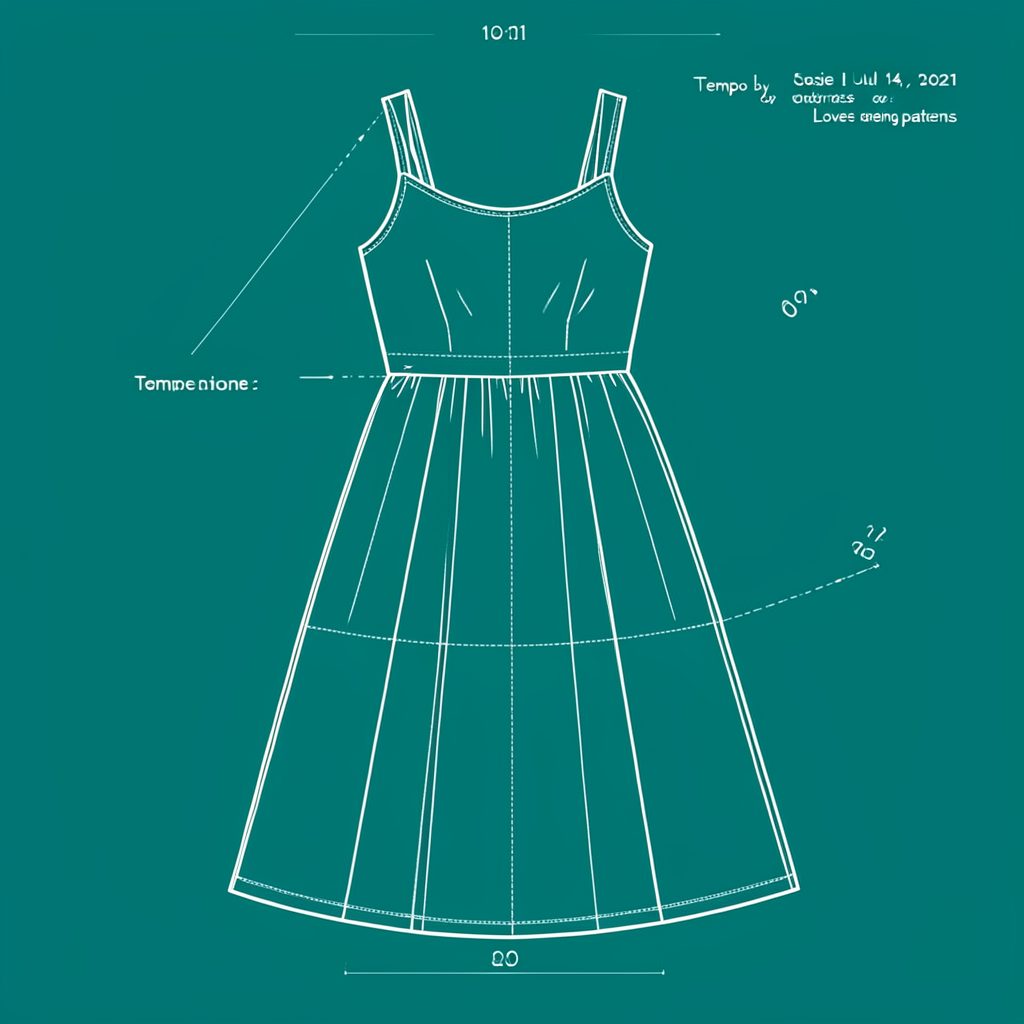
Friday Pattern Company Wilder Gown Review
The Wilder Gown by Friday Pattern Company is the sort of sewing pattern that makes an entrance before you have even chosen the fabric. With its generous gathered tiers, softly dramatic volume and relaxed shape, it promises a handmade dress that feels theatrical without becoming difficult to wear.
I made my version as a wearable everyday dress rather than a special-occasion gown. That distinction shaped many of my choices, from the fabric weight to the sleeve finish. The result is comfortable, swishy and full of personality, although the pattern has a few construction details worth considering before cutting into your favourite cloth.
This review covers the fit, instructions, fabric choices and sewing experience, along with the changes I made. If you enjoy indie pattern reviews, you may also find my disclosure policy useful when reading about gifted products, affiliate links or sponsored projects.
The Design And Overall Shape
The Wilder Gown has a loose, tiered silhouette with a high neckline and full-length sleeves. The bodice is relatively simple, while the skirt creates most of the drama through gathered panels. It is a design that relies on movement: the tiers float around the body as you walk, giving the dress a lovely swaying quality.
Although the word “gown” is in the name, it does not have to look formal. In a soft cotton, washed linen or printed viscose, it can become an easy day dress. A crisp fabric creates a more architectural shape, while a fluid fabric allows the gathers to fall closer to the body.
The volume is intentional, so this is not a pattern for a close-fitting or waist-defined garment. The shape hangs away from the body and offers plenty of ease through the torso and hips. That makes it forgiving to wear, but it also means that choosing the right size and fabric is important if you want to avoid feeling swallowed by the dress.
Choosing A Size And Fabric
I selected my size using the finished garment measurements as well as the body measurements. That extra step matters with a design this full. Going by bust measurement alone may lead to a dress that has far more ease than expected, especially if your fabric is already thick or structured.
The pattern works particularly well in light to medium-weight woven fabrics. Cotton lawn, double gauze, linen blends, rayon challis and lightweight viscose are all strong options. A stable cotton can make the sewing straightforward, but very stiff quilting cotton may produce bulky gathers and a silhouette that feels more costume-like than relaxed.
For anyone unsure whether a voluminous style will suit them, my guide to choosing an indie pattern for your body explains how proportion, ease and fabric drape can affect the final result. Those considerations are especially useful here because the Wilder Gown has so much fabric in the skirt.
Sewing The Bodice And Sleeves
The bodice construction is approachable, with the neckline and raglan-style sleeves giving the upper section a comfortable shape. There is no complicated fitting around a traditional armscye, which makes the pattern appealing to confident beginners who want to attempt a statement dress.
The neckline has a neat finished edge and the back fastening keeps the design simple. I took care to mark the centre points and keep the neckline stitching even, as small inaccuracies are easy to notice around a high neck. Stay-stitching the relevant edges and pressing as you go helped prevent stretching.
The sleeves are roomy rather than tailored. This suits the relaxed character of the dress, although I recommend checking the finished sleeve length before sewing the cuffs. Depending on your height and preferred styling, you may want the sleeves to finish at the wrist, sit slightly higher or have enough length for a small turn-up.
Managing All Those Gathers
The tiered skirt is the part that takes the most time. There is a substantial amount of fabric to gather, and keeping the gathers evenly distributed is the difference between a polished dress and a lumpy seam. I used two rows of long machine stitches and divided both pieces into quarters before pulling up the threads.
It is tempting to rush this stage, particularly when several long seams are involved. Taking a few minutes to balance the fullness around each section made the next seam much easier. I also pinned generously, matching quarter points first and then filling in the spaces between them.
A walking foot can be helpful when joining gathered layers, especially with linen or a fabric that shifts easily. For very lightweight cloth, narrow seam allowances and careful pressing reduce bulk. I finished the internal seams neatly because the open skirt construction means the inside can be seen when the dress moves.
| Feature | My Experience | Useful Consideration |
|---|---|---|
| Silhouette | Dramatic, loose and comfortable | Check finished measurements before choosing a size |
| Fabric | Best with light to medium-weight woven cloth | Avoid very stiff or bulky materials |
| Construction | Straightforward, with time needed for gathering | Mark quarter points and use two gathering rows |
| Sleeves | Full and relaxed | Measure the finished length before cutting |
| Styling | Works for casual or dressier outfits | Shoes and fabric can change the overall mood |
| Beginner suitability | Accessible with patience | Gathers and fabric handling need extra care |
Fit, Comfort And Wearability
My favourite quality of the Wilder Gown is how comfortable it feels while still looking considered. There is no tight waistband, fitted bodice or restrictive sleeve to think about during the day. The loose shape makes it easy to sit, move and layer over a vest or lightweight top.
The fullness can be styled in different ways. Worn loose, the dress has an artistic, romantic feel. Adding a belt changes the proportions and gives some waist definition, although the gathered skirt will still keep its volume. A cropped cardigan, denim jacket or simple boots can make the gown feel more practical for everyday wear.
Length is the main alteration I would expect to make. The dress uses a lot of fabric, so it is worth measuring from your shoulder to the point where you want the hem to fall. Shortening a tier can affect the balance of the skirt, so remove length thoughtfully and keep the proportions visually even.
What I Would Change Next Time
If I made another version, I would spend more time planning the fabric print across the tiers. A small-scale print is wonderfully forgiving, while a bold directional design may need more attention at each joining seam. Stripes, checks and large motifs can look striking, but they also make uneven matching more obvious.
I would also test the neckline finish on a fabric scrap first. The construction itself is not difficult, but lightweight fabrics can behave differently from the sample cloth. A little experimentation with interfacing, pressing temperature and stitch length can make the finished edge much cleaner.
The pattern is easy to customise without losing its identity. You could shorten the gown, use a contrasting fabric for one tier, make a plain version for layering or add a brighter sleeve fabric. Keeping the bodice neutral and introducing print in the skirt would create a particularly wearable result.
Practical Tips For A Smoother Make
These are the adjustments and habits I would recommend before starting:
- Measure the finished garment and compare it with a dress whose volume you already enjoy wearing.
- Pre-wash and dry your fabric in the same way you plan to launder the finished garment.
- Cut the skirt pieces carefully, labelling every tier to avoid joining them in the wrong order.
- Use two rows of gathering stitches and divide long seams into manageable sections.
- Try on the bodice before attaching the full skirt so you can check the neckline and sleeve length.
- Press each gathered seam before moving to the next construction stage.
The Wilder Gown is a memorable project with a relatively uncomplicated foundation. It rewards patience rather than advanced technical skill, and the finished garment feels much more special than the sewing process might suggest. The generous shape will not suit every wardrobe, but for anyone who enjoys movement, texture and a little drama, it is an excellent indie sewing pattern.
I would make it again in a softer fabric with a smaller print, perhaps shortening the skirt slightly for a more practical version. If this review has inspired you to try the pattern, gather your fabric, take your measurements carefully and enjoy giving the tiers time to become beautifully even.
Popular Pattern Reviews
| Pattern | Designer | Type | Highlight |
|---|---|---|---|
| Compose Robe (Kids) | Love Notions | Robe / Loungewear | Sizes 2T–16, cosy & practical |
| Tempo Sundress | Love Notions | Sundress | No closures, shirred back panel |
| Arlington Sweater | Love Notions | Sweater | Cold-weather staple |
| Sybil Illusion Skirt | Love Notions | Skirt (knit) | 7 variations, optional pockets |
| Camden Pinafore | Nina Lee Patterns | Pinafore dress | Year-round layering piece |
| Ogden Cami (dress hack) | True Bias | Cami / Dress | Versatile wardrobe builder |
| Burda 6829 | Burda | Dress | Multi-sized, special-occasion |
Stay in Touch
Subscribe to the newsletter for sewing inspiration, pattern tips, and project ideas delivered straight to your inbox.