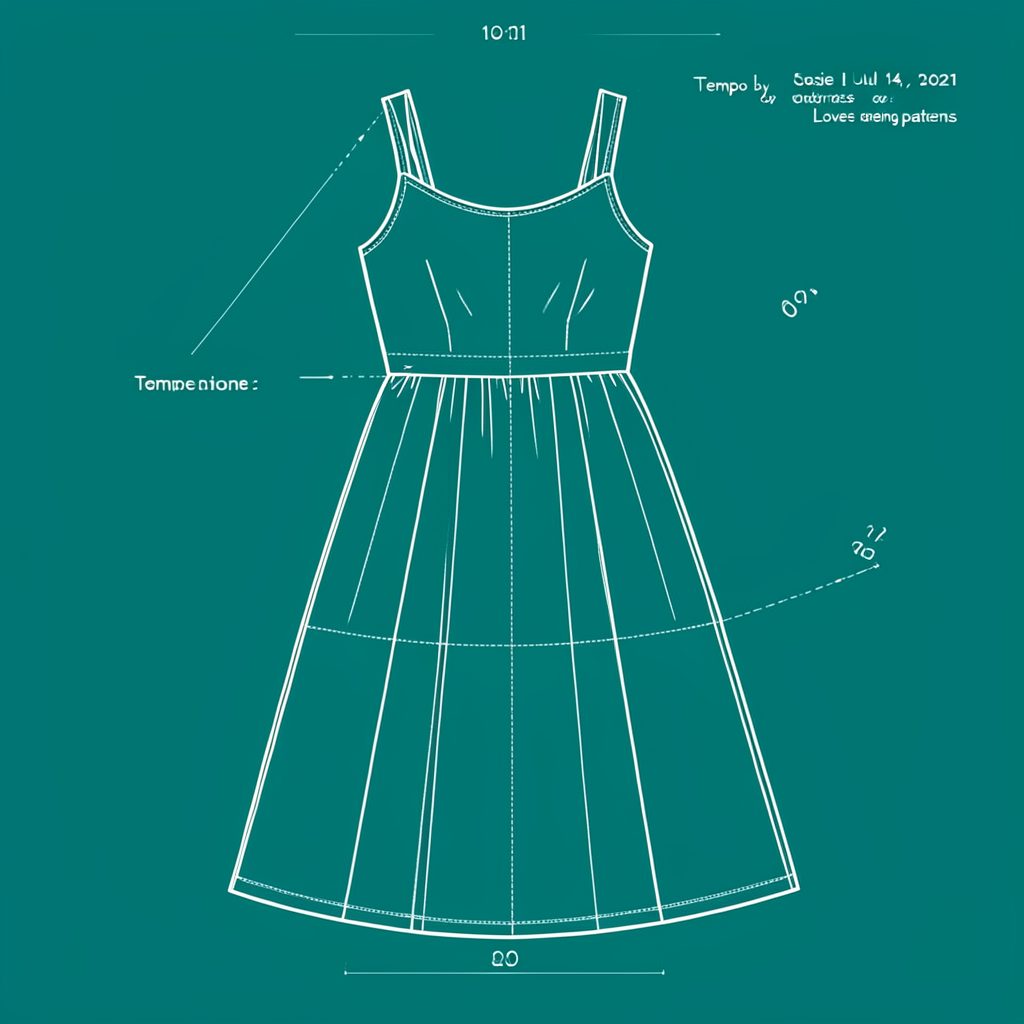
Jennifer Lauren Handmade Maia Dress Pattern Review
The Jennifer Lauren Handmade Maia Dress is the kind of pattern that makes a handmade wardrobe feel considered without becoming difficult to wear. Its vintage-influenced shape has enough definition to feel special, while the practical details keep it firmly in everyday territory. For sewists who enjoy independent pattern companies and garments with a clear point of view, Maia is an appealing project.
Jennifer Lauren Handmade patterns are known for thoughtful drafting, distinctive silhouettes, and instructions that support a careful, methodical approach. Maia fits that design language well. It has the charm of a retro day dress, yet the styling can shift considerably depending on fabric, sleeve choice, and how much structure is added during construction.
For more indie pattern reviews, fabric ideas, and approachable sewing guidance, browse Josie’s sewing blog, where wearable projects take centre stage. This review focuses on the pattern’s design, fit, construction, and the fabric choices most likely to produce a successful result.
Why the Maia dress stands out
Maia has a feminine, vintage-inspired shape without looking like costume dressing. The bodice gives the garment definition through the upper body, while the skirt creates movement and ease. That balance makes it suitable for occasions that call for something polished, as well as ordinary days when jeans feel too predictable.
The design also has a strong styling advantage: it can look soft and romantic in a small-scale floral, crisp and modern in cotton poplin, or more grown-up in a dark linen or wool blend. A pattern with this much flexibility earns its place in a sewing queue because one version does not dictate the look of every future version.
The silhouette is especially attractive for sewists who enjoy waist emphasis. It rewards attention to bodice fitting, but the finished effect is flattering rather than rigid. The result feels like a dress designed around the body, instead of a basic shape with decorative details added afterwards.
Design details and wearing ease
The Maia Dress has the visual language of a classic day dress: a shaped bodice, a defined waist, and a fuller skirt. These elements create a recognisable outline from a distance, which is part of the pattern’s appeal. The skirt volume gives the dress presence, while the fitted upper section prevents it from becoming overwhelming.
Depending on the version and fabric, the neckline and sleeve treatment can make the dress feel modest, playful, or distinctly vintage. This gives the pattern useful range for different wardrobes. A lighter fabric will emphasise movement, while a firmer cloth will make the bodice and skirt hold their shape more clearly.
Pockets are an important consideration for a practical handmade dress. If included in the chosen design, they add everyday usefulness without disrupting the line of the skirt. It is worth checking their placement during a toile or fitting stage, since pocket bags can affect the way a dress hangs when filled.
Selecting a size and checking the fit
As with any fitted dress, choosing a size from the finished garment measurements rather than habit is essential. Bust, waist, and hip measurements may point towards different sizes, particularly when the bodice is close fitting and the skirt has more ease. Taking fresh measurements before printing or cutting saves time later.
The bodice deserves the most attention. A toile can reveal whether the neckline sits flat, whether the bust area has enough room, and whether the waistline lands in the intended position. Small adjustments made here will have a greater effect on the final dress than minor changes to the skirt.
Length is another useful adjustment. Petite sewists may want to shorten the bodice or skirt, while taller sewists should compare the pattern’s length with a favourite dress before cutting. Since the waist placement is central to the design, any length alteration should be considered carefully rather than removed from one area automatically.
| Feature | What to expect | Helpful approach |
|---|---|---|
| Overall style | Vintage-inspired day dress | Use fabric and trims to control how retro it feels |
| Bodice | Shaped and waist-defining | Make a toile and check bust and waist placement |
| Skirt | Fuller, with room for movement | Stay-stitch, mark the waist, and distribute gathers or fullness evenly |
| Fabric suitability | Light to medium-weight woven fabrics | Choose cloth with enough drape or structure for the selected look |
| Skill level | Confident beginner to intermediate | Read the instructions fully before cutting |
| Wardrobe potential | Dressy, casual, and seasonal versions | Test a versatile fabric before using precious yardage |
Construction experience
The Maia is a project where preparation pays off. There are several points at which careful marking and pressing will improve the result, especially around the bodice, neckline, waist seam, and any gathered or eased sections. Rushing these stages can leave puckering or uneven fullness that is difficult to disguise.
A sewing machine with a reliable straight stitch is enough for the main construction, while an overlocker or zigzag stitch can tidy raw edges. Pressing as each seam is completed helps the garment develop its intended shape. A tailor’s ham or seam roll is useful when working around curved bodice sections.
The instructions should be read from beginning to end before starting. This is particularly helpful when the pattern has interchangeable options or when a construction step affects later finishing. Marking notches, centre points, and waistline references clearly will make the assembly more straightforward.
The dress is manageable for a confident beginner who has already made a few woven garments, but it may feel ambitious as a first-ever dress. The fitting decisions are more involved than those of a loose pull-on style. Sewists with more experience will appreciate the opportunity to refine the fit and make small design-led changes.
Choosing fabric for the right result
Cotton lawn, quilting-weight cotton, chambray, linen blends, and lightweight denim can all create attractive versions, provided they suit the pattern option. A fabric with moderate body will support the silhouette, while a softer cloth will give a more fluid, relaxed result.
Print scale matters. Small florals and ditsy motifs reinforce the vintage character, whereas checks, stripes, and abstract prints make the pattern feel fresher. A plain fabric places greater emphasis on the construction, so neat stitching and accurate pressing become especially visible.
Very bulky fabrics may overwhelm the bodice or create unnecessary weight at the waist. At the other extreme, fabric that is too thin may need lining or a slip, particularly if the skirt is full. Make a small sample of gathers, seams, or button areas before committing to expensive fabric.
Accessories can shift the whole mood. A cardigan and practical shoes make Maia suitable for an ordinary day, while a belt, jewellery, and heeled shoes create a more formal outfit. For another example of a thoughtfully wearable independent pattern project, see this no-zipper skirt make, which takes a different route to an easy-to-style handmade garment.
Practical strengths and possible drawbacks
Maia’s greatest strength is its balance of personality and repeatability. It is distinctive enough to feel rewarding to sew, but adaptable enough to make several times. Changing the fabric, sleeve treatment, length, or finishing details can produce versions that look unrelated while sharing the same dependable foundation.
The main drawback is that a fitted, waist-defined dress asks more from the maker than a simple gathered dress or elasticated style. Pattern matching, fitting, and pressing all matter. The fuller skirt can also use more fabric than expected, so checking the layout and yardage before shopping is sensible.
Another consideration is lifestyle. The shape may need a little care when sitting, layering, or wearing a coat over the top. That is not a flaw, but it is part of choosing a structured dress for a real wardrobe. The most successful version will be one that suits both the sewist’s preferred style and daily routine.
Ways to make the project run smoothly
- Measure the body and compare those numbers with the pattern’s size chart before printing or cutting.
- Make a quick bodice toile, especially when the bust, waist, or back length needs adjustment.
- Stabilise neckline and waist seams where the pattern instructions call for extra support.
- Press every seam during construction and handle gathered sections gently to avoid uneven fullness.
- Test the fabric’s drape and opacity before cutting the complete dress.
A dress worth returning to
The Jennifer Lauren Handmade Maia Dress is a strong choice for sewists who want a garment with charm, structure, and genuine wardrobe potential. It offers enough detail to keep the sewing interesting, while the familiar day-dress silhouette makes the finished piece easy to style.
Choose a fabric that reflects how you want to wear it, make time for the bodice fit, and treat the pressing stages as part of the design rather than an afterthought. Then add Maia to your sewing plans and create a version that brings a little vintage character to everyday dressing.
Popular Pattern Reviews
| Pattern | Designer | Type | Highlight |
|---|---|---|---|
| Compose Robe (Kids) | Love Notions | Robe / Loungewear | Sizes 2T–16, cosy & practical |
| Tempo Sundress | Love Notions | Sundress | No closures, shirred back panel |
| Arlington Sweater | Love Notions | Sweater | Cold-weather staple |
| Sybil Illusion Skirt | Love Notions | Skirt (knit) | 7 variations, optional pockets |
| Camden Pinafore | Nina Lee Patterns | Pinafore dress | Year-round layering piece |
| Ogden Cami (dress hack) | True Bias | Cami / Dress | Versatile wardrobe builder |
| Burda 6829 | Burda | Dress | Multi-sized, special-occasion |
Stay in Touch
Subscribe to the newsletter for sewing inspiration, pattern tips, and project ideas delivered straight to your inbox.