Rayon Challis for Flowing Dresses: A Practical Fabric Guide
Rayon challis is a favourite for dresses that move beautifully, skim the body and feel cool against the skin. Its soft drape makes it especially appealing for relaxed maxi dresses, gathered skirts, wrap styles and loose-fitting patterns, although its fluid nature can make cutting and sewing feel less predictable than working with cotton.
For Australian sewists, this fabric is useful across much of the year. It can feel light and breathable in a Queensland summer, while a long-sleeved rayon dress layered with a cardigan suits milder days in Melbourne or Adelaide. With the right preparation, needle and pattern choice, rayon challis can become a polished handmade garment rather than a frustrating pile of shifting fabric.
| Fabric | Drape | Breathability | Ease of Sewing | Best Uses |
|---|---|---|---|---|
| Rayon challis | Very fluid and soft | High | Moderate | Wrap, tiered and maxi dresses |
| Cotton lawn | Light with gentle structure | High | Easy | Blouses and gathered dresses |
| Linen-viscose blend | Fluid with a little body | High | Moderate | Shirt dresses and wide-leg trousers |
| Polyester crepe | Fluid but less breathable | Low to moderate | Moderate | Occasion dresses and skirts |
What Rayon Challis Feels Like
Rayon challis, also called viscose challis in many Australian fabric shops, is a woven fabric made from regenerated cellulose fibres. It usually has a smooth surface, a soft hand and excellent drape. Unlike stretch jersey, it does not rely on elastane to move; the movement comes from the fine yarns and loose, flowing weave.
The fabric may be matte or subtly satin-like, depending on the finish. Prints are common, from small florals and abstract marks to dramatic botanical designs. It is usually lightweight, but quality varies. Hold a piece by one corner and check whether it hangs evenly, feels stable in both directions and recovers after being gently scrunched.
Rayon can also be slightly translucent, particularly in pale colours. A separate slip, lining or carefully planned underlayer may be needed for a dress. Darker prints often provide more coverage, but checking the fabric in daylight is worthwhile before buying several metres.
Choosing Rayon for Australian Weather
Climate should influence both your fabric choice and your dress design. A sleeveless rayon sundress can be comfortable in Brisbane or Cairns, where humidity makes clingy synthetic fabrics unpleasant. In Sydney, a midi dress with short sleeves can work from warm afternoons to evening meals, especially when paired with a light cotton cardigan.
For cooler areas and seasons, choose a denser challis or use a pattern with sleeves, a higher neckline or a layered bodice. Melbourne’s changeable weather rewards garments that can be worn with tights and boots, while a rayon maxi dress may need a slip and an extra layer during a cool Tasmanian evening.
Rayon is absorbent and often feels cool, but it can crease during travel or after sitting. If you want a lower-maintenance option for busy days, compare its behaviour with the brushed polyester guide, especially when planning seasonal garments.
Matching Fabric to Dress Design
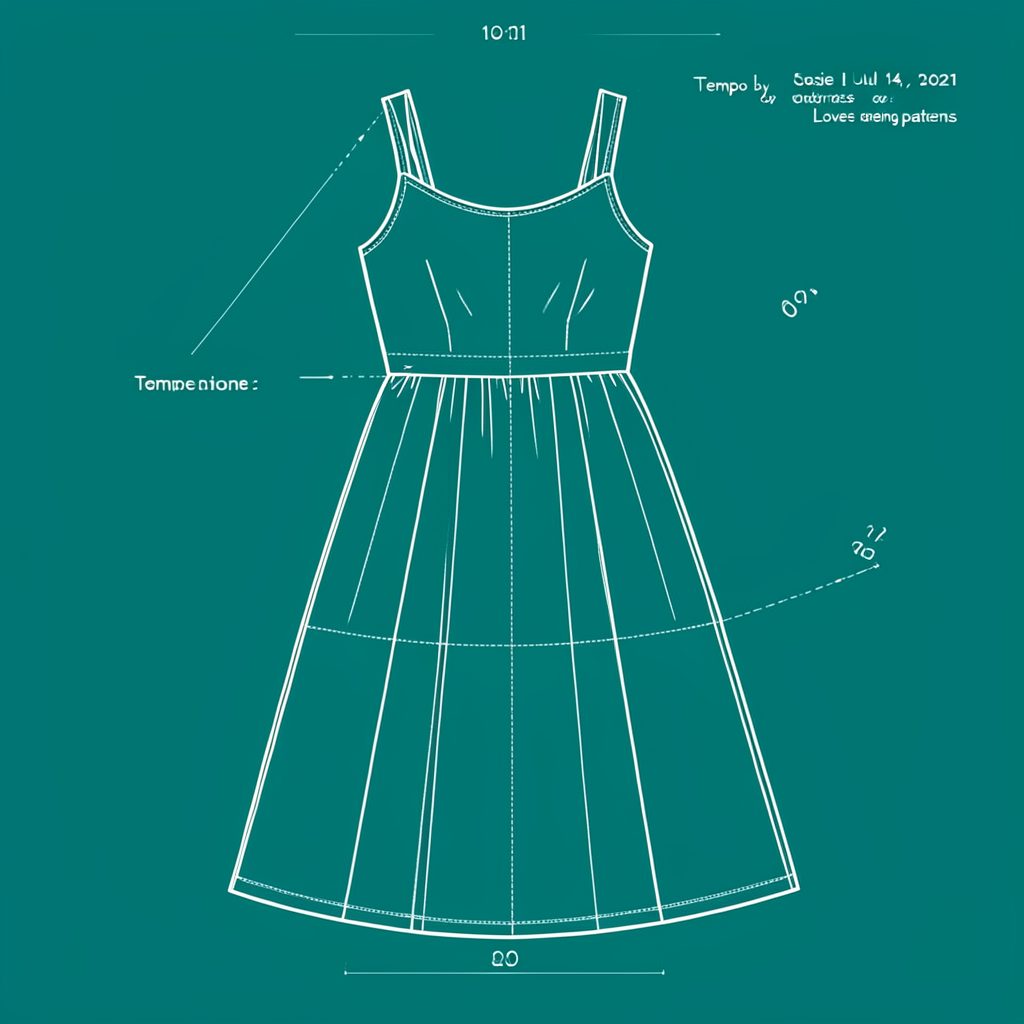
Flowy rayon works best with patterns designed for movement. Look for bias-cut panels, soft gathers, wrap fronts, tiers, pleats and loose sleeves. Love Notions patterns with relaxed silhouettes can be excellent candidates, while other independent designers often provide specific fabric recommendations that are worth following closely.
Very fitted designs may require more support than rayon can offer. A close-fitting bodice can stretch out at the neckline or sag at the waist if the fabric is cut on the bias. Stabilising shoulder seams, adding a shaped facing and choosing a waist stay can make a significant difference.
Print scale also affects the final garment. A tiny floral can disguise seam movement and suit a gathered dress, while a large geometric print may need matching at centre fronts and side seams. Buy extra fabric when the design has a directional print, border, large repeat or multiple tiers.
Preparing and Cutting Slippery Yardage
Prewash rayon before cutting, using the same method you plan to use for the finished dress. Many rayon fabrics shrink, sometimes noticeably, and the first wash can alter the surface. A gentle cold wash followed by line drying is a sensible starting point, unless the care instructions specify something different.
Press the fabric lightly rather than dragging the iron across it. A pressing cloth can protect dark colours and prevent shine. Let the fabric rest flat or hang briefly before laying it out, as freshly washed rayon may be distorted along the grain.
Cutting is often the hardest stage because the fabric shifts on a smooth table. Use a large cutting surface, pattern weights and a fresh rotary cutter where possible. If you use scissors, keep the lower blade close to the table and avoid lifting the fabric. Check the grainline in several places instead of trusting one edge.
A few preparation habits make the process calmer:
- Use plenty of pattern weights around curves and long edges.
- Mark notches with removable thread or tiny snips.
- Cut a single layer when the print or grain is difficult to control.
- Keep cut pieces flat until construction begins.
Sewing Techniques That Keep It Neat
Choose a fine universal or microtex needle, usually 60/8 or 70/10, and test it on a fabric scrap. A large needle can leave visible holes, while a blunt needle may create pulls. Fine polyester thread is generally suitable, and a slightly shorter stitch length can help control seams without making them stiff.
Staystitch curved necklines and armholes shortly after cutting. Rayon can grow while it is handled, especially around bias edges. Sew slowly, support the fabric behind and in front of the presser foot, and avoid pulling it through the machine.
A walking foot may help if the layers feed unevenly. For seam finishes, a narrow French seam is lovely on lightweight dresses, while an overlocked edge is quick and practical. Test the finish on scraps first because bulky seams can interrupt the soft fall of the garment.
A narrow hem usually suits rayon better than a deep turned hem. A rolled hem foot, baby hem or two-step narrow hem can preserve the floaty shape. Press each stage gently and use a clapper or flat weight while the seam cools.
Fitting, Finishing and Caring for Rayon
Try the dress on before completing the hem. Rayon skirts can drop unevenly after hanging, particularly when the garment includes bias-cut sections. Let the dress hang overnight, then mark the hem while wearing the shoes you expect to use with it.
Pay attention to neckline stability and strap placement. Clear elastic or a narrow strip of lightweight interfacing can support a shoulder seam without making it rigid. If the pattern includes a gathered waist, distribute the gathers evenly rather than concentrating bulk at the centre front.
Care affects the life of the garment. Cool washing, gentle detergent and low handling help preserve the fibres. Avoid wringing, and reshape the dress while damp. Rayon generally responds well to steam or a warm iron, but always test first, especially with saturated colours.
Useful finishing details include:
- A separate slip for pale or loosely woven challis.
- A hanging loop to prevent stretching on narrow straps.
- Lightweight interfacing at button bands and facings.
- A fabric-covered belt when the waist needs gentle definition.
Finding the Right Print and Quantity
Australian fabric collections can vary between local independent shops, larger chains such as Spotlight and online sellers offering deadstock or imported rayon. Check the fibre content carefully, since “rayon” may describe viscose, modal or a blended cloth with a different weight and drape. Ordering a swatch is sensible when the colour or opacity matters.
For a simple sleeveless dress, allow extra fabric for shrinkage, pattern matching and cutting errors. A full gathered skirt or tiered maxi may need considerably more than the pattern’s basic estimate. Measure the fabric width as well as the dress length; a narrow 110 cm cloth can require more yardage than a 140 cm or 150 cm width.
Print placement deserves attention before you commit. Lay the pattern pieces over the fabric and check whether prominent flowers, stripes or motifs land in flattering positions. A beautiful rayon can become difficult to wear if a large motif sits awkwardly across the bust or centre back.
Building a Wearable Rayon Wardrobe
One well-chosen length of challis can become several useful garments, from a softly gathered summer dress to a long-sleeved midi worn with boots. Starting with a straightforward pattern lets you learn how the fabric behaves before attempting a bias-cut gown or heavily tiered design.
Rayon also works well for coordinated handmade wardrobes. A printed dress can share colours with a linen jacket, a solid viscose skirt or a lightweight knit cardigan. This approach makes a dramatic print easier to wear for ordinary occasions, including weekend markets, family lunches and warm-weather office days.
If you enjoy pattern reviews, construction notes and fabric ideas, you can receive email updates for new sewing inspiration. A personal project record is useful too: note the fabric width, shrinkage, needle size, alterations and washing method so future rayon makes become more predictable.
The best rayon dress is one that suits both the fabric and your daily life. Choose a silhouette that lets the cloth drape freely, stabilise the areas that need support and give the finished garment room to move. With careful preparation, rayon challis offers the softness, colour and movement that make a handmade dress feel special.
Popular Pattern Reviews
| Pattern | Designer | Type | Highlight |
|---|---|---|---|
| Compose Robe (Kids) | Love Notions | Robe / Loungewear | Sizes 2T–16, cosy & practical |
| Tempo Sundress | Love Notions | Sundress | No closures, shirred back panel |
| Arlington Sweater | Love Notions | Sweater | Cold-weather staple |
| Sybil Illusion Skirt | Love Notions | Skirt (knit) | 7 variations, optional pockets |
| Camden Pinafore | Nina Lee Patterns | Pinafore dress | Year-round layering piece |
| Ogden Cami (dress hack) | True Bias | Cami / Dress | Versatile wardrobe builder |
| Burda 6829 | Burda | Dress | Multi-sized, special-occasion |
Stay in Touch
Subscribe to the newsletter for sewing inspiration, pattern tips, and project ideas delivered straight to your inbox.