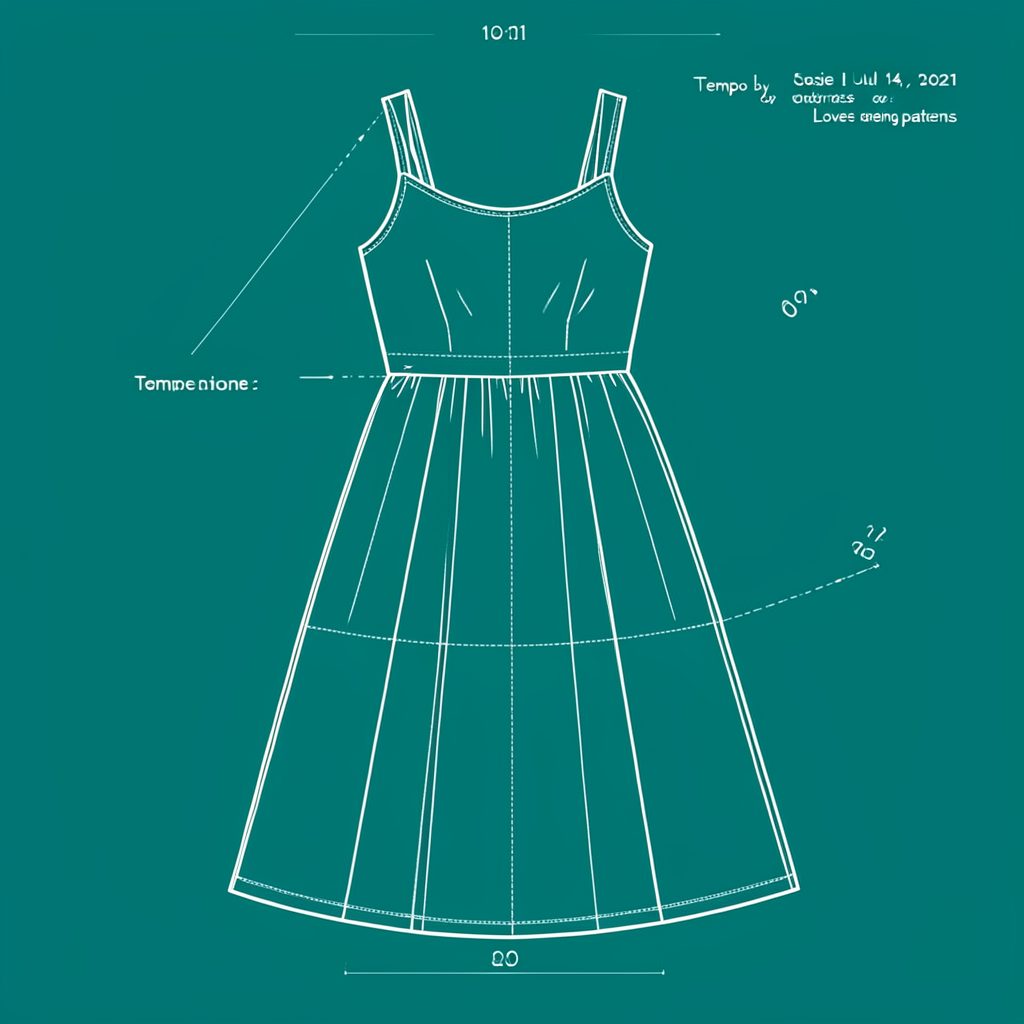
Bamboo Jersey for Comfortable Australian Activewear
Bamboo jersey has become a popular choice for people who want soft, breathable clothing for yoga, walking, lounging and low-impact training. Its smooth handle feels gentle against the skin, while a little elastane can give leggings, tops and lightweight layers the movement activewear requires.
For Australian sewists, the appeal also comes from versatility. The same fabric can suit a humid Brisbane morning, a cool Melbourne studio or a warm coastal walk, provided the pattern and fabric weight are matched carefully. It is a lovely material to explore, though it helps to understand what “bamboo” means on a fibre label before choosing it for a hardworking garment.
| Fabric option | Hand and comfort | Best uses | Main limitation |
|---|---|---|---|
| Bamboo jersey | Very soft, smooth and breathable | Yoga tops, relaxed activewear, base layers | Can stretch out or pill if poorly blended |
| Polyester jersey | Light, quick-drying and durable | Running tops, sports tees and uniforms | May feel warm or less natural against skin |
| Nylon jersey | Strong, smooth and resilient | Leggings, bike shorts and fitted garments | Often more expensive |
| Cotton jersey | Familiar, breathable and easy to sew | Casual tops and gentle exercise wear | Holds moisture and dries slowly |
What bamboo fabric really is
Most fabric sold as bamboo jersey is bamboo viscose or bamboo rayon. The bamboo plant is processed into pulp and then regenerated into a textile fibre, so the finished cloth is not simply woven bamboo in its original natural form. The manufacturing process matters when considering environmental claims, as plantations, chemicals, energy use and water consumption can vary considerably.
The knitted construction gives bamboo jersey its characteristic drape and stretch. It often feels cooler than a similar cotton knit and has a soft, almost silky surface. Bamboo fibres can absorb moisture, but absorbency is different from rapid sweat wicking. For intense training, a technical polyester or nylon knit may move perspiration away from the body and dry faster.
A bamboo blend containing elastane is usually the most useful option for activewear sewing. Look for around five to ten per cent elastane when making close-fitting tops, bike shorts or leggings, and check the fabric’s recovery by stretching a cut edge and watching how quickly it returns.
Choosing the right weight and blend
Lightweight bamboo jersey works well for camisoles, nursing-style active tops, loose tees and layering pieces. It can be beautifully fluid, but that drape may reveal lumps, seams or underwear beneath a close-fitting garment. A slightly heavier knit gives more coverage and tends to behave better in fitted designs.
For leggings, test the fabric before cutting. Hold a stretched section up to a bright window and inspect how transparent it becomes. Then sit, squat and bend in a test pair or a generous fabric sample. A fabric that looks opaque on the cutting table can become sheer under strong Australian sunlight, especially on pale colours.
A stable bamboo-cotton-elastane blend can be easier for a beginner than a very fluid rayon knit. If you prefer a fabric with a brushed surface and more winter warmth, compare the construction with this brushed polyester guide. The two fabrics have different strengths, even when they are sold for similar casual garments.
Matching bamboo jersey to a pattern
Patterns designed for knit fabrics will usually specify a stretch percentage. Measure the fabric across the cross-grain, mark the required distance, stretch it without distorting the knit and measure again. Bamboo jersey can have generous stretch, but recovery is the more important test for fitted activewear. If it stays visibly elongated, reduce the strain placed on it by choosing a looser style.
Simple designs are a good starting point because bamboo’s drape becomes part of the look. A scoop-neck tee, racerback tank, pull-on skirt or relaxed jogger can showcase its softness without demanding extreme recovery. For a fitted bodice, use a pattern with clear negative-ease instructions and consider stabilising shoulder seams with clear elastic.
The Saguaro set review offers useful inspiration for thinking about coordinated separates and fabric behaviour. When adapting a pattern for bamboo, keep an eye on waistbands, armholes and necklines, since these areas can grow during wear if they are not supported.
Sewing techniques that make a difference
A ballpoint or stretch needle is the safest starting point, with a size suited to the fabric weight. Use polyester thread and a narrow zigzag, lightning stitch or overlocker seam so the garment can stretch without broken stitches. Test on scraps first: a stitch that looks neat on a stable cotton knit may tunnel or wave on a soft bamboo fabric.
A walking foot can help feed slippery layers evenly, although careful pinning and a fresh needle may be enough. For hems, twin needles can create a professional finish, but a zigzag or coverstitch is often more forgiving. Avoid stretching the fabric as it passes under the presser foot, particularly around the neckline and leg openings.
Cutting deserves patience. Bamboo jersey may curl at the edges and shift on the cutting mat, so use pattern weights and a rotary cutter where possible. Mark the grainline accurately, and let the fabric rest after prewashing before you make final adjustments. A small amount of growth can change the length of a top or the rise of a pair of shorts.
Caring for handmade activewear
Prewash bamboo jersey in the same way you expect to launder the finished garment. A cool, gentle cycle with mild detergent is generally kinder than a hot wash, and a laundry bag can reduce friction. Skip fabric softener, which can coat fibres and affect absorbency, and keep the garment away from rough Velcro or abrasive towels.
Air-drying is particularly practical in Australia, where a clothesline is part of everyday laundry for many households. Direct, intense sun can fade dark dyes and may weaken elastane over time, so turn garments inside out and choose shade when possible. A dryer can contribute to shrinkage and loss of recovery, even if the fabric label permits occasional tumble drying.
Rinse sweaty garments soon after exercise rather than leaving them damp in a gym bag. This matters in humid places such as Cairns and Brisbane, where odours can develop quickly. In cooler Melbourne weather, bamboo layers may feel comfortable for walking and stretching, but they will not necessarily dry as quickly as a technical running knit.
Buying and wearing it responsibly
Bamboo jersey is widely available through Australian online fabric shops and independent retailers, though colour ranges and stock can change quickly. Order a sample before buying several metres, particularly when shopping online. Check the width, fibre composition, stretch in both directions, weight and return policy, as “bamboo” can describe fabrics with very different percentages of rayon, cotton, polyester and elastane.
Marketing deserves a careful look. Softness, breathability and comfort are reasonable qualities to assess by touch and testing. Claims that a fabric is naturally antibacterial, biodegradable or protective against ultraviolet radiation need more scrutiny. If you want sun-safe activewear for beach walks, gardening or outdoor sport, choose a garment with a tested UPF rating rather than assuming bamboo jersey provides reliable protection.
Australian textile products generally need accurate fibre-content descriptions, and businesses must avoid misleading environmental or performance claims under the Australian Consumer Law. As a home sewist, you may not need to attach a retail label to a personal garment, but recording the fibre blend and care instructions is useful if you give or sell your work. The information also helps the wearer make sensible choices about washing and disposal.
Bamboo jersey earns its place in a thoughtful activewear wardrobe because it combines a gentle hand with easy drape and comfortable stretch. It is especially effective for low- to moderate-intensity garments, travel layers and everyday movement, while high-output training may call for a more technical knit. With a recovery test, a suitable pattern and gentle care, it can turn a simple sewing project into a garment that feels at home from the yoga mat to the weekend walk.
Making a wearable test garment
A trial version does not need to be elaborate. A sleeveless top or pair of relaxed shorts uses less fabric and lets you assess transparency, neckline stability, sweat comfort and laundering before committing to a full outfit. Wear the test garment through a normal day rather than judging it only in front of the mirror.
Small adjustments can make bamboo jersey perform better. Raise a neckline if the fabric relaxes, shorten a loose hem if it grows during wear, or add a soft elastic stabiliser to a shoulder seam. For waistbands, a wide enclosed elastic can provide more dependable support than relying on the knit alone.
The DIY sewing projects collection is a useful place to find approachable ideas when you want to turn a fabric sample into a practical garment or accessory. Bamboo jersey offcuts can become headbands, lightweight neck warmers or simple briefs, giving you another way to test the fabric before planning a larger activewear project.
Popular Pattern Reviews
| Pattern | Designer | Type | Highlight |
|---|---|---|---|
| Compose Robe (Kids) | Love Notions | Robe / Loungewear | Sizes 2T–16, cosy & practical |
| Tempo Sundress | Love Notions | Sundress | No closures, shirred back panel |
| Arlington Sweater | Love Notions | Sweater | Cold-weather staple |
| Sybil Illusion Skirt | Love Notions | Skirt (knit) | 7 variations, optional pockets |
| Camden Pinafore | Nina Lee Patterns | Pinafore dress | Year-round layering piece |
| Ogden Cami (dress hack) | True Bias | Cami / Dress | Versatile wardrobe builder |
| Burda 6829 | Burda | Dress | Multi-sized, special-occasion |
Stay in Touch
Subscribe to the newsletter for sewing inspiration, pattern tips, and project ideas delivered straight to your inbox.