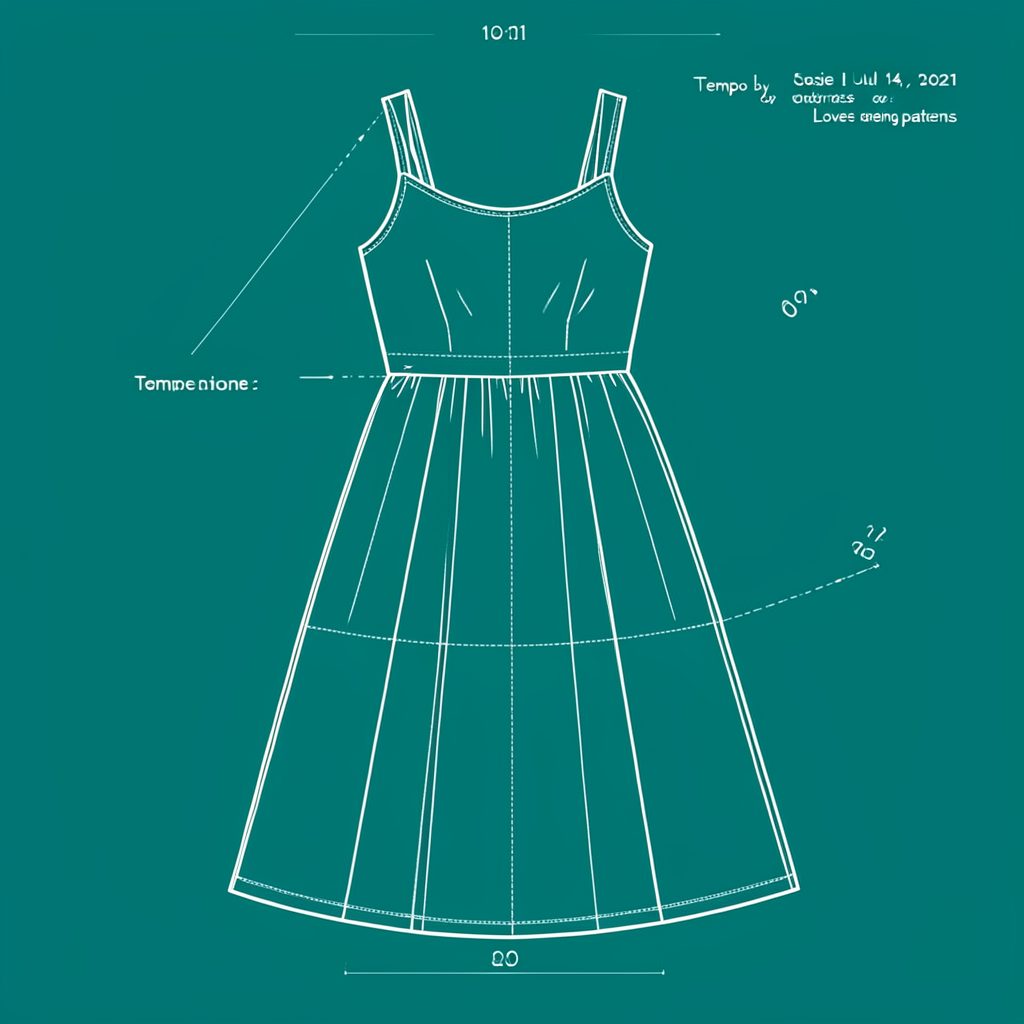
Cotton Voile for Light, Layerable Sewing Projects
Cotton voile is a fine, breathable woven fabric that brings softness and movement to handmade clothing. It is lighter than most quilting cottons, more stable than many slippery dressmaking fabrics, and comfortable against the skin. That combination makes it especially useful for blouses, gathered tops, loose dresses and warm-weather layers.
For Australian sewing, voile has an obvious appeal. It feels airy during a humid Brisbane summer, works beautifully for a relaxed Sydney weekend dress, and can be layered through Melbourne’s changeable seasons. Its subtle sheerness does require a little planning, but the finished garment can look polished without feeling formal.
A good voile project rewards careful fabric selection and a few straightforward construction adjustments. From choosing the right print to finishing delicate seams, the process is approachable for a beginner while still offering interesting details for an experienced sewist. Josephine’s about the blog reflects that practical, welcoming approach to sewing and craft projects.
Understanding cotton voile
Voile is usually made from cotton and woven with fine, tightly arranged yarns. It has a soft hand, gentle drape and a slightly crisp quality that relaxes after washing. Unlike a heavy poplin, it does not hold a sharp sculptural shape, but it has enough body for simple collars, yokes and lightly gathered sleeves.
The fabric may be plain, printed, embroidered or woven with subtle texture. Some versions are almost transparent, while others have enough density for a single-layer blouse in a darker colour. Hold a sample up to daylight before buying, since artificial shop lighting can make a fabric appear more opaque than it really is.
Cotton voile is often confused with lawn. Lawn generally feels smoother and a little more densely woven, while voile tends to have a softer, more fluid quality. Both are excellent for warm-weather clothing, although voile is often the better choice when you want floaty gathers or a relaxed silhouette.
Choosing the right cloth
Start by considering the pattern design. A voluminous dress with several tiers needs fabric that gathers without becoming bulky. A voile with a fluid drape will suit this shape better than a firm cotton. For a fitted blouse, choose a slightly more stable voile so the neckline, button band and cuffs have enough support.
Print scale matters as well. Small florals, scattered dots and delicate geometrics are easy to place on narrow bodices and sleeves. Large motifs may need extra fabric for matching, especially if the pattern includes a centre front, a button placket or a directional border. Always check the usable width, since some lightweight fabrics have a narrow 110 cm width.
Australian fabric shopping can involve very different conditions. A fabric from a local independent shop such as Tessuti or The Fabric Store may come with detailed fibre and width information, while a bargain remnant from Spotlight may need closer inspection. If you are ordering online, request a sample where possible and compare its colour in natural light before committing to a full project.
Sheerness, weight and layering
The main practical issue with cotton voile is transparency. A loose blouse may be perfectly wearable over a camisole, but a fitted bodice or gathered dress often needs an underlayer. You can use a separate slip, line the bodice only, or make the entire garment double-layered depending on the style and climate.
A voile lining adds comfort but also changes the weight and drape. Doubling a full skirt can make it heavier than expected, particularly when the pattern has gathers at the waist. For a floaty dress, lining the upper body and wearing a lightweight slip underneath the skirt may preserve more movement.
| Fabric option | Drape | Opacity | Best use | Construction note |
|---|---|---|---|---|
| Cotton voile | Soft and fluid | Low to medium | Blouses, dresses, gathered skirts | French seams and light interfacing work well |
| Cotton lawn | Smooth with gentle body | Medium | Shirts, dresses, pyjamas | Easier for crisp collars and plackets |
| Double gauze | Soft and textured | Medium to high | Casual tops and relaxed dresses | Avoid very fine details and excessive pressing |
| Rayon challis | Very fluid | Low to medium | Slip-style dresses and draped tops | Requires careful cutting and handling |
| Lightweight linen | Breezy with more structure | Medium | Shirts, tunics and summer dresses | Creases readily but supports sharper shapes |
| Wool suiting | Structured and stable | High | Trousers, jackets and tailored garments | Better suited to tailored construction; see this wool suiting guide |
Preparing and cutting voile
Prewash cotton voile in the same way you plan to launder the finished garment. A cool machine wash and gentle line drying are usually sensible, although the care label should take priority. The fabric can shrink, and a garment that fits before washing may become noticeably shorter afterwards.
Use a clean, flat cutting surface and check that the grainline is truly parallel to the selvedge. Lightweight cloth can shift as you cut, especially when the pattern pieces are large. A rotary cutter, fresh blade and pattern weights can help, but fine pins placed within the seam allowance are useful when scissors are more comfortable.
Transfer notches with thread tacks or very small chalk marks rather than deep snips. Clip only where necessary, since a cut edge can spread during handling. If the fabric has a directional print, mark the wrong side clearly and keep every piece facing the same way.
Sewing techniques that keep it neat
A new fine needle, such as a 60/8 or 70/10, helps prevent pulls and visible holes. Choose a fine polyester thread and test the tension on scraps. A stitch length around 2.2 to 2.5 mm is a good starting point, though the ideal setting depends on the machine and the particular voile.
French seams are especially useful for unlined blouses and dresses because they enclose the raw edges without adding much bulk. For curved seams or areas that need to remain very flat, a narrow overlocked seam can work well. Avoid aggressive trimming near delicate seams, as the fabric may fray or distort.
Lightweight interfacing should be applied selectively. A soft fusible can stabilise a button band, collar stand or cuff, but a heavy product may overwhelm the voile and create a stiff patch. Test the interfacing on a scrap, including after washing, before applying it to the garment.
Pattern ideas for blouses and dresses
Simple indie sewing patterns are often ideal for voile because they allow the fabric’s drape to do the visual work. Look for relaxed button-front blouses, peasant tops, tiered dresses, gathered yokes and softly elasticated sleeves. Love Notions patterns with a comfortable fit can be especially useful when you want a wearable garment rather than a fabric sample with too many complicated features.
A voile blouse can be shortened to a cropped shape for high-waisted trousers or left long enough to wear over shorts. For a dress, consider a slip dress beneath a sheer overlay, a lined bodice with an unlined skirt, or a fully lined style with minimal gathering. A simple pattern also showcases a beautiful border print or hand-blocked design without breaking up the motif.
Think about the Australian wardrobe you are building. A sleeveless voile dress can suit a warm Perth afternoon, while a long-sleeved blouse becomes useful for Queensland air conditioning and cooler evenings. In Tasmania or the higher parts of Victoria, the same garment can be layered over a fine merino singlet or under a cardigan when the temperature changes.
Finishing, caring and wearing
Press voile with a low to medium temperature and use a pressing cloth if the fabric has a delicate print. Lift the iron rather than dragging it across the surface, since dragging can stretch a bias edge or distort a curved seam. A little spray starch may help with cutting and sewing, but wash a test piece first to check that it does not leave marks.
Small hems are usually the neatest choice. A narrow double-fold hem, baby hem or rolled hem keeps a blouse or skirt edge light. If the pattern includes a sleeve with a casing, reinforce the casing ends and avoid pulling elastic too tightly, as the fine fabric can gather unevenly.
Wash finished voile garments gently and avoid high heat in the dryer. Line drying is practical in much of Australia and helps preserve both colour and shape, although harsh direct sun can fade dark prints over time. Store very light garments folded rather than hanging them for long periods, particularly if the shoulders or neckline carry gathers.
Voile is at its best when treated as a fabric with movement rather than forced into a rigid design. With a suitable pattern, a thoughtful lining plan and careful seam finishes, it becomes a dependable choice for handmade clothing that feels cool, soft and easy to wear. For project-specific sewing queries, Josephine can be reached through the blog’s contact page.
Popular Pattern Reviews
| Pattern | Designer | Type | Highlight |
|---|---|---|---|
| Compose Robe (Kids) | Love Notions | Robe / Loungewear | Sizes 2T–16, cosy & practical |
| Tempo Sundress | Love Notions | Sundress | No closures, shirred back panel |
| Arlington Sweater | Love Notions | Sweater | Cold-weather staple |
| Sybil Illusion Skirt | Love Notions | Skirt (knit) | 7 variations, optional pockets |
| Camden Pinafore | Nina Lee Patterns | Pinafore dress | Year-round layering piece |
| Ogden Cami (dress hack) | True Bias | Cami / Dress | Versatile wardrobe builder |
| Burda 6829 | Burda | Dress | Multi-sized, special-occasion |
Stay in Touch
Subscribe to the newsletter for sewing inspiration, pattern tips, and project ideas delivered straight to your inbox.