Wool suiting for beautifully tailored handmade garments
Wool suiting is one of those fabrics that can make a handmade garment feel instantly polished. Its smooth surface, fluid drape and ability to hold a crisp seam create the structure needed for trousers, waistcoats, skirts, blazers and softly tailored dresses. It also brings warmth without necessarily feeling bulky, making it useful across much of the British sewing year. Learn more about How To Sew A Lettuce Hem On Knit Fabrics.
For home sewists, the term covers a surprisingly broad range of cloth. Fine tropical wool behaves very differently from a dense flannel, while wool blends can offer extra durability, stretch or easier care. Understanding those differences helps you choose fabric that suits both the pattern and the finish you have in mind.
A carefully selected length of suiting can support a beginner-friendly project as well as an ambitious tailored jacket. The pattern reviews and practical projects on Josie's sewing blog are useful company when you are deciding how much structure, ease and construction detail your next garment should have.
Choosing the right cloth
Start by considering the shape of the garment rather than choosing wool by colour alone. A pair of wide-leg trousers needs enough drape to fall cleanly from the hip, whereas a fitted blazer benefits from body and recovery. A medium-weight worsted wool may suit a sharp jacket, while a lighter wool crepe can be better for a dress with movement.
Wool flannel has a softly brushed surface and a cosy handle, making it particularly appealing for winter trousers, skirts and relaxed jackets. Worsted wool is smoother and usually more resilient, with a refined finish suited to office tailoring. Wool gabardine has a pronounced diagonal twill and firm structure, so it can give trousers and coats a strong silhouette.
Check the fibre content before buying. Pure wool offers excellent breathability and resilience, but a wool-polyester blend may be more affordable and easier to launder. A small amount of elastane can improve comfort in close-fitting trousers, although too much stretch may undermine a sharply tailored shape.
Weight, weave and drape
Fabric weight is often listed in grams per square metre, though many online shops describe it with terms such as lightweight, medium weight or coating weight. Around 180–240gsm is commonly comfortable for dresses, skirts and lighter trousers. Cloth around 250–350gsm has more presence for suiting, jackets and structured separates, while heavier coating fabrics are generally intended for outerwear.
Hold the fabric up and observe how it falls. Does it collapse into soft folds, or does it stand away from the body? Scrunch a corner gently and release it to see how quickly it recovers. Wool’s natural resilience is valuable, but a fabric that is too springy may be difficult to press into precise tailoring details.
The weave affects both appearance and construction. A plain weave can look clean and understated, while twill offers durability and a subtle diagonal texture. Herringbone and subtle checks add visual interest, but they demand extra attention during cutting. Directional designs, nap and pattern matching can increase fabric requirements considerably.
Matching fabric to a sewing pattern
The pattern envelope or online description should guide your first decision. Look for recommended fabric types, suggested weight and any notes about drape or stretch. Love Notions patterns often include practical options for adapting a design, but the finished result still depends on matching the cloth to the intended silhouette.
| Wool fabric | Best suited to | Advantages | Points to watch |
|---|---|---|---|
| Fine tropical wool | Dresses, slim trousers, lightweight blazers | Breathable, smooth and elegant | Can show pressing marks and fray |
| Worsted suiting | Tailored trousers, waistcoats and jackets | Crisp, durable and polished | May need careful easing around curves |
| Wool flannel | Winter skirts, trousers and relaxed jackets | Warm, soft and forgiving | Brushed surface can shade in different directions |
| Wool gabardine | Structured trousers, skirts and coats | Firm, hard-wearing and stable | Strong twill may be challenging to unpick |
| Wool blend with stretch | Close-fitting trousers and fitted dresses | Comfortable and easy to wear | Stabilise seams and check recovery |
Make a toile when the garment is fitted, lined or expensive to cut. A calico mock-up will not reproduce the drape of wool, but it can reveal problems with shoulder width, crotch depth, bust shaping and ease. If possible, test the most important construction techniques on a fabric offcut before cutting the final pieces.
Preparing wool before cutting
Many wool suitings benefit from gentle steam rather than a full wash. Follow the supplier’s care instructions, since some cloth is dry-clean-only or has a finish that changes with moisture. If the fabric is washable, test a small hidden piece first and allow it to dry completely before measuring.
Pressing is part of the construction process, not just the final tidy-up. Use a pressing cloth, a moderate temperature and plenty of patience. A tailor’s ham helps shape darts and curved seams, while a seam roll keeps the impression of seam allowances from appearing on the right side.
Let the fabric rest flat after pressing. Then inspect it for a nap, shine, stripe or one-way pattern. Place every pattern piece in the same direction if the surface changes when viewed from different angles. Mark notches, pocket positions and balance points clearly with tailor’s tacks or a removable marking tool.
Sewing seams and tailored details
Use a sharp universal or microtex needle suited to the cloth, and choose a strong all-purpose polyester thread. Test the stitch length on scraps; a slightly longer straight stitch can look more professional on medium-weight wool than very short stitches. Keep the seam allowance consistent, especially around lapels, welt pockets and collar edges.
Wool often responds beautifully to easing and shaping. A sleeve head can be supported with a strip of bias-cut wool, sleeve roll or lightweight wadding, depending on the design. Stay-stitch curved edges early, particularly necklines and armholes, because these areas can stretch while the garment is handled.
Tailoring does not require every traditional technique in the book. Fusible interfacing can provide reliable support for a first blazer, while a natural hair canvas offers a softer, more responsive finish for an advanced project. Always test interfacing on scraps, since heat, steam and adhesive can alter the hand or create unwanted shine.
If your project combines wool with jersey panels, cuffs or another knit, construction will need a different approach. These knit sewing tips cover useful domestic-machine techniques that can help when a tailored design includes stretch sections.
Finishing and caring for the garment
A lining can make wool trousers, skirts and jackets more comfortable to wear and easier to put on. Choose a smooth lining with enough ease for movement, and avoid attaching it so tightly that it pulls the outer fabric out of shape. For an unlined design, finish the seams neatly with an overlocker, zigzag stitch or Hong Kong binding.
Give the finished garment a final press from the wrong side, using a cloth between the iron and the wool. Brush away stray threads and check that hems, vents and pocket openings sit flat. Let the garment cool on a hanger before trying it on, as warm cloth can temporarily lose its freshly pressed shape.
Wool garments usually benefit from airing between wears rather than frequent cleaning. Hang jackets on broad-shouldered hangers, empty trouser pockets and store pieces where air can circulate. A clothes brush removes surface dust, while careful spot cleaning can deal with minor marks. Follow the care label before washing or sending the garment to a cleaner.
A practical fabric-buying checklist
Before ordering wool suiting, note the pattern requirements and decide whether the garment needs drape, structure or a balance of both. Order a sample whenever possible, particularly for online purchases, and examine it in daylight as well as indoor light. Colour, shine and texture can look quite different on a screen.
Keep a generous swatch with the finished garment’s notes. Record the fibre content, fabric width, washing instructions and the pattern used. This small habit makes future wardrobe planning easier and helps you recognise which weights and finishes work best for your sewing style.
- Check the fibre content, width and recommended care before purchasing.
- Order extra fabric for checks, stripes, nap and pattern matching.
- Test pressing, interfacing and seam finishes on scraps first.
- Make a toile for fitted or highly structured garments.
- Store completed wool pieces on shaped hangers and air them between wears.
Wool suiting rewards steady preparation. When the fabric, pattern and construction method work together, even a relatively simple design can look considered and expensive. Begin with a manageable project, practise on remnants and let pressing guide the shape at every stage.
Explore more garment-making ideas through It Is Josie, and use your next length of wool suiting to create a durable tailored piece that earns a regular place in your handmade wardrobe.
Popular Pattern Reviews
| Pattern | Designer | Type | Highlight |
|---|---|---|---|
| Compose Robe (Kids) | Love Notions | Robe / Loungewear | Sizes 2T–16, cosy & practical |
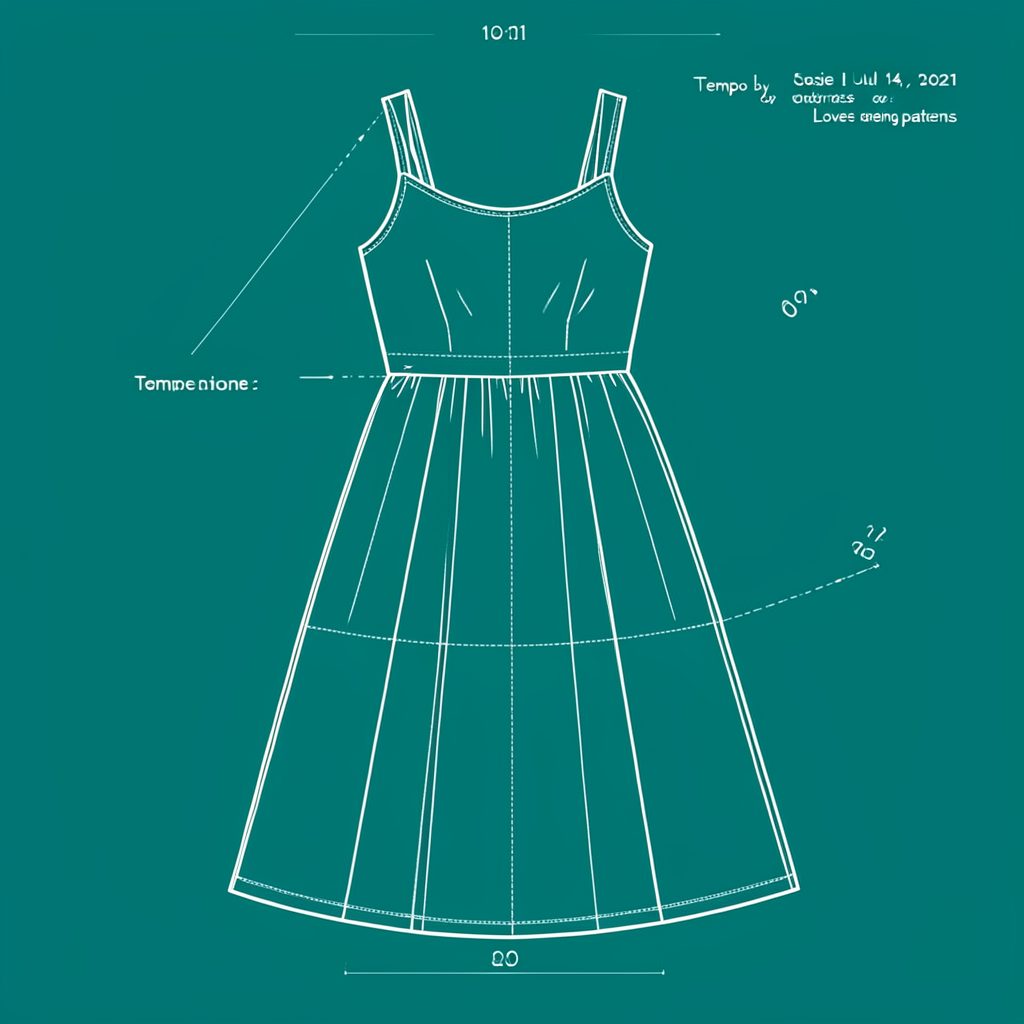
| Tempo Sundress | Love Notions | Sundress | No closures, shirred back panel |
| Arlington Sweater | Love Notions | Sweater | Cold-weather staple |
| Sybil Illusion Skirt | Love Notions | Skirt (knit) | 7 variations, optional pockets |
| Camden Pinafore | Nina Lee Patterns | Pinafore dress | Year-round layering piece |
| Ogden Cami (dress hack) | True Bias | Cami / Dress | Versatile wardrobe builder |
| Burda 6829 | Burda | Dress | Multi-sized, special-occasion |
Stay in Touch
Subscribe to the newsletter for sewing inspiration, pattern tips, and project ideas delivered straight to your inbox.