Adding warmth to a Love Notions Soho Jacket
A lined Soho Jacket can shift this versatile pattern from a light throw-on layer into a practical outer garment for cooler Australian weather. The extra layer helps block wind, gives the jacket a smoother finish, and makes heavier fabrics feel more comfortable over knit tops, work clothes, or a long-sleeved tee.
The alteration is approachable, but lining a jacket involves a few decisions that are easy to overlook. The lining needs enough movement, the sleeves must turn neatly, and the hem needs a little breathing room so the outer fabric does not pull the inner layer into folds. With a thoughtful fabric pairing and a careful sewing order, the result can look polished without becoming a fussy tailoring project.
Choose fabrics for the climate
Start by considering where the jacket will be worn. A Soho Jacket made in wool coating or boiled wool may be welcome through a chilly Hobart winter, while the same combination could feel excessive for Brisbane. In Sydney or Perth, a mid-weight denim, cotton twill, or linen blend with a lightweight lining can provide useful warmth for cool mornings without becoming uncomfortable by lunchtime.
The outer fabric should have enough body to support the lining. Suiting, corduroy, wool blends, cotton drill, and stable canvas are all possibilities, although very firm canvas may need extra attention at the seams. For a softer jacket, try quilted cotton, flannel-backed fabric, or a light wool coating. Avoid pairing a bulky outer with a thick fleece lining unless the pattern has been adjusted generously; the finished garment can become tight across the upper arms and difficult to turn.
For the lining, choose polyester satin, rayon, lightweight cotton lawn, silk habotai, or a breathable acetate-style fabric. In warmer parts of Australia, rayon or cotton can feel less clammy than basic polyester. A slippery lining is excellent for layering, but a woven cotton is easier for beginners to handle and may suit a casual jacket better.
Make the pattern adjustment first
Trace or print the Soho Jacket in the size selected for the outer garment, then make a separate lining version of the relevant pieces. The lining generally uses the same body and sleeve shapes, but it should not finish exactly at the outer hem. Shorten the lining body by about 2–3 cm, depending on the hem allowance and the thickness of the outer fabric.
Add a small back pleat if the jacket has a back seam or centre-back area where extra movement can be incorporated. A pleat around 2 cm deep, pressed as an inverted fold and secured at the neckline, gives room when reaching forward. If the pattern has a generous, relaxed fit, this may not be essential, but it is useful for a structured fabric or a wearer who prefers a broader range of movement.
The sleeve lining also benefits from a little extra length. Cut it approximately 1.5–2 cm longer than the finished outer sleeve before it is attached at the cuff or hem. This prevents the lining from creeping up the arm when the elbow bends. Check the finished measurements against a jacket you already enjoy wearing, especially around the biceps and across the back.
Prepare the jacket pieces carefully
Sew the outer Soho Jacket according to the pattern instructions, but leave the final lining-related openings unstitched where necessary. Press every seam as you go. A well-pressed seam allowance makes a noticeable difference when the lining is attached, particularly around a collar, hood, front facing, or curved hem.
Construct the lining separately, using a slightly shorter stitch length if the fabric is prone to fraying. Finish the raw edges according to the fabric: pinking, overlocking, or a narrow zigzag can all work. With slippery lining, use a fine needle, reduce the presser-foot pressure if your machine allows it, and support the fabric with tissue paper when it shifts.
If the Soho Jacket includes pockets, decide whether they will be made from the outer fabric, lining, or both. A lining pocket bag can reduce bulk, but it should be reinforced at the opening. If you are making a pocket from a thick wool or denim, use a lighter fabric for the inside portion. This keeps the pocket from creating a heavy lump at the hip.
| Area | Outer jacket | Lining adjustment | Useful check |
|---|---|---|---|
| Body hem | Follow the pattern hem allowance | Shorten by 2–3 cm | Lining should sit above the outer hem |
| Sleeve | Sew to the pattern length | Add about 1.5–2 cm | No lining should show when the arm bends |
| Back | Keep the intended fit | Add a small pleat if needed | Reach forward before closing openings |
| Pockets | Use stable fabric | Consider a lighter pocket bag | Reinforce pocket openings |
| Front edge | Keep facings firm | Join neatly at the facing seam | Clip curves before turning |
Attach the lining in a logical order
A common method is to join the lining to the front facings first, then sew around the neckline and attach the sleeve hems. The exact order depends on the Soho Jacket variation, so keep the pattern’s construction sequence in view. The important principle is to connect the right sides, stitch accurately, and leave a generous turning gap in one lining side seam or sleeve seam.
When sewing around a curved neckline or hood opening, clip into the seam allowance without cutting through the stitching. Grade bulky layers so the finished edge lies flat. Understitching the lining to the facing helps keep the lining from rolling towards the outside, especially at the front opening where the garment receives the most handling.
The sleeve connection can feel like the trickiest step. With the jacket turned inside out, match the outer sleeve and lining sleeve at the cuff, keeping the seams aligned. Pull the fabric through the turning gap, gently push out the corners, and press with a pressing cloth. Do not pull aggressively; slippery linings can stretch out of shape and create a wavy cuff.
Finish the hem and turning gap
The hem needs freedom to move. If the lining is stitched directly to a deep outer hem with no ease, the jacket may balloon or ride up when you sit down. A short lining, a small pleat, or a loose hand-tacked connection can prevent that problem. For a casual jacket, you can slip-stitch the lining to the hem allowance at a few points rather than sewing the entire circumference firmly.
Close the turning gap with a ladder stitch by hand or a narrow machine stitch close to the edge. Hand stitching usually produces the least visible finish, especially with rayon or satin lining. Press the finished garment from the lining side, using the correct temperature and a cloth to protect delicate fibres.
Before wearing it out, inspect the inside for loose threads and check that the front edges remain even. Try the jacket over the layers you expect to wear. In Melbourne, that might mean a jumper on a cold morning; in Queensland, it may be a lightweight top after an evening sea breeze. The final test should include sitting, driving, reaching, and putting your hands into the pockets.
Add warmth without losing versatility
A lining does not have to make the Soho Jacket heavy. If warmth is the goal, consider a lightweight quilted lining or a thin flannel-backed fabric rather than adding a thick interlining everywhere. Quilted lining can be especially useful in regional areas where mornings are crisp but daytime temperatures rise quickly. It also gives a handmade jacket a cosy, ready-to-wear feel.
For a particularly cold climate, interline selected pieces rather than the entire jacket. The upper back, chest, and sleeve cap can receive a thin layer of cotton flannel or wool batting, while the lower body remains unlined with insulation. This reduces bulk around the hem and pockets. Test the layers on a fabric scrap before committing, as too much thickness can alter seam allowances and make the front facings sit unevenly.
Colour and print are another opportunity. A bright lining makes the garment feel special every time it is removed, while a dark lining can disguise everyday marks. If you have leftover fabric from another project, a small contrast detail can work beautifully. Josephine’s quick tank ideas are useful inspiration for coordinating simple handmade layers beneath a new jacket.
Check fit, care, and everyday wear
Once the lining is installed, give the jacket a final fitting with realistic clothing underneath. Check the armhole, upper sleeve, front overlap, and neckline. If the jacket feels tight only after lining, the issue is usually insufficient ease or a bulky seam rather than the need to size up the entire pattern. Removing a little bulk from seam allowances may help, but avoid trimming until you are certain the fit is correct.
Care instructions should reflect both fabrics. Wool coatings may need airing rather than frequent washing, while rayon lining benefits from gentle handling and careful pressing. If the outer fabric and lining have different washing requirements, clean them according to the less tolerant fabric. A removable scarf or neck warmer can add warmth without requiring a heavier jacket.
Keep notes about the changes you make: lining length, sleeve adjustment, pocket choice, and any fit changes. Those details make a second version much faster. If you run into a construction question or want to share how your lined jacket turned out, the contact page provides a direct way to get in touch. A carefully fitted lining turns the Soho Jacket into a practical layer for everything from a chilly coastal walk to an ordinary arvo running errands.
Popular Pattern Reviews
| Pattern | Designer | Type | Highlight |
|---|---|---|---|
| Compose Robe (Kids) | Love Notions | Robe / Loungewear | Sizes 2T–16, cosy & practical |
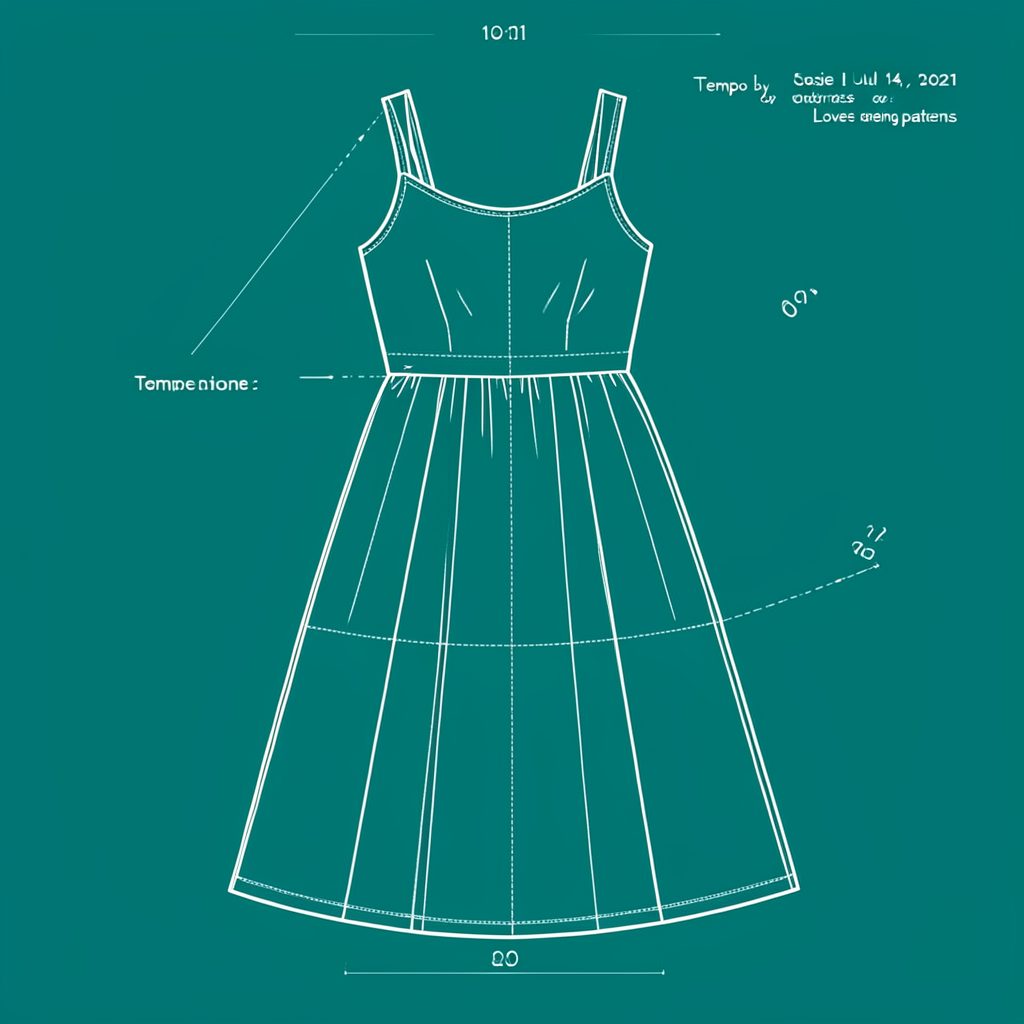
| Tempo Sundress | Love Notions | Sundress | No closures, shirred back panel |
| Arlington Sweater | Love Notions | Sweater | Cold-weather staple |
| Sybil Illusion Skirt | Love Notions | Skirt (knit) | 7 variations, optional pockets |
| Camden Pinafore | Nina Lee Patterns | Pinafore dress | Year-round layering piece |
| Ogden Cami (dress hack) | True Bias | Cami / Dress | Versatile wardrobe builder |
| Burda 6829 | Burda | Dress | Multi-sized, special-occasion |
Stay in Touch
Subscribe to the newsletter for sewing inspiration, pattern tips, and project ideas delivered straight to your inbox.