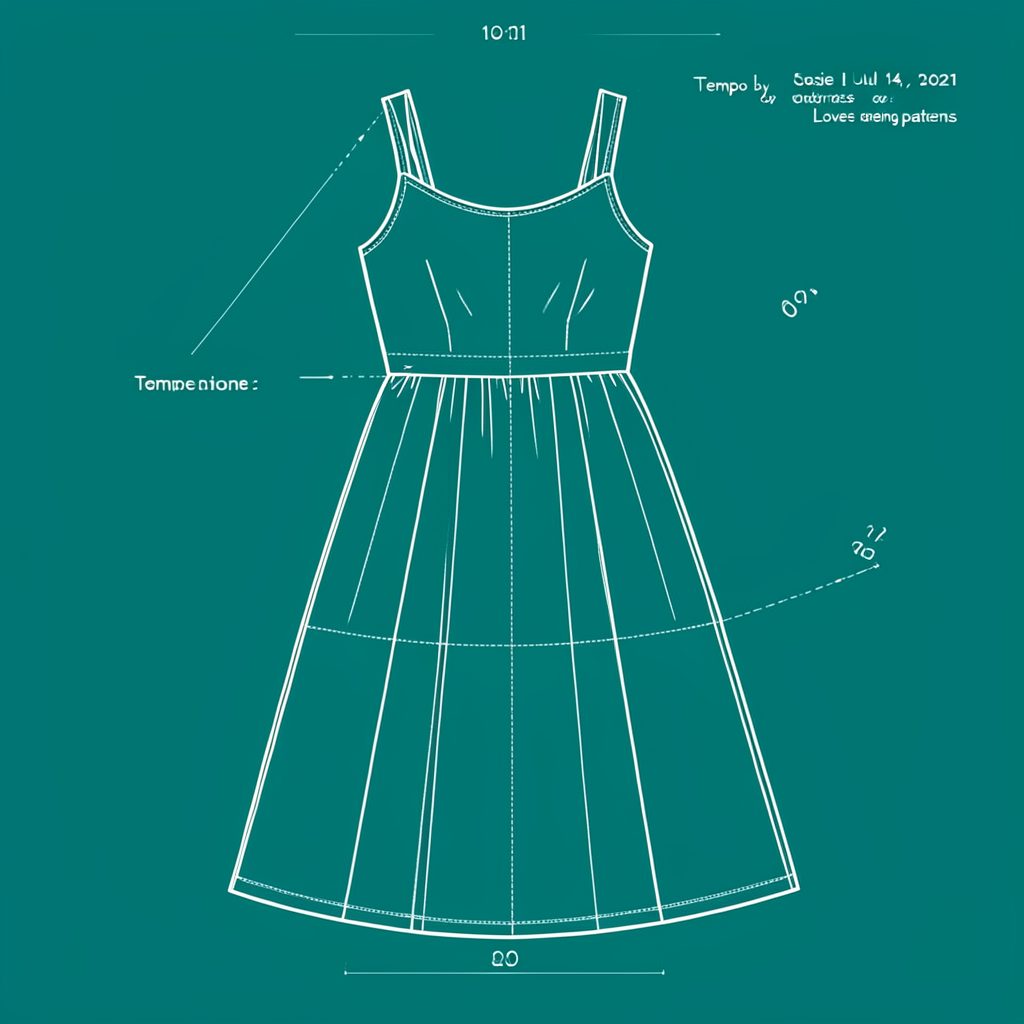
Pemberley Dress Pattern Review for Warm Weather Sewing
The Pemberley dress by Blueprints for Sewing has been on my sewing wishlist for ages, and I finally tested it during a quiet stretch at home. I wanted something romantic and vintage-inspired that still felt modern, and the gathered bodice and full skirt fit the brief perfectly. As someone based in Yorkshire who spends time dreaming about Antipodean summers, I also wanted to think about how this pattern would translate for friends sewing down under.
I chose the gathered short sleeves and a midi-length skirt, which felt like the most versatile option for Australian sewists looking for something breathable. Summers can be brutal in places like Brisbane or inland New South Wales, so fabric weight and sleeve choice matter more than they might in Manchester. I sewed a sample using a lightweight cotton from my stash, then planned a second version in something drapier.
This review covers sizing notes, fabric recommendations, construction steps, and how I styled the finished dress. I've also compared a few fabric and sleeve options to help you decide what to make for your own wardrobe.
About the Blueprints for Sewing Pemberley
Blueprints for Sewing is a small independent label known for romantic, vintage-inspired patterns with a modern sensibility. The Pemberley is one of their most popular designs, offering two sleeve lengths, two skirt lengths, and optional patch pockets. Instructions are illustrated with clear diagrams rather than relying on written text, which is helpful for visual learners.
The design features a fitted bodice with soft gathering at the waist, a scooped neckline finished with bias facing, and a gathered dirndl skirt sitting smoothly at the natural waist. There is no zip, which makes it accessible for sewists who are not confident with zip insertion. The dress pulls on over the head, which I love for a casual summer garment.
The drafting is thorough, with pieces interlocking neatly and notches matching up well. There is very little fabric waste when laying out the pattern pieces, which is useful when working with smaller cuts of special fabric.
Sizing and Choosing My Size
The Pemberley is drafted with a fairly standard indie size range, from a 6 to a 24 in the printed version, with a generous B cup included as standard. I made a straight size 14 based on my high bust measurement, and graded out slightly at the waist and hip. The bodice fit beautifully after a small full bust adjustment of about 2cm, split between the front and side seams.
The waist seam sits at the natural waist, which I found flattering, especially with the fullness of the skirt balancing it out. If you are taller or shorter than average, check the finished length measurements before cutting. I am 168cm tall and used the standard midi length, which hit just below my knee.
For sewists in Australia ordering the pattern, shipping from the UK is reasonable and arrives within two to three weeks. I would recommend tracing the pattern if you plan to make it more than once, since the printed tissue can become fragile after multiple uses.
Fabric Choices for an Australian Wardrobe
Fabric choice is where this pattern shines, and there are several Australian-friendly options. The bodice has enough structure to work with cotton lawn, while the skirt falls nicely in something with more drape. I tested the pattern in cotton poplin from The Fabric Store in Melbourne, which gave a crisp, vintage-inspired feel.
For hotter climates like Perth or far north Queensland, lightweight linen or cotton voile would be lovely. These fabrics breathe beautifully and soften with washing, giving the dress a relaxed look suited to everyday wear. Spotlight stores across Australia also carry a decent range of cottons that work well for beginners, often at reasonable prices.
For something more luxurious, Tana Lawn or soft chambray would work well. Avoid very stiff fabrics like canvas or heavy denim, as the skirt will not drape well and the bodice will feel bulky. Whatever you choose, pre-wash your fabric at least twice to account for shrinkage.
| Fabric Type | Best For | Drape | Breathability | Sewing Difficulty |
|---|---|---|---|---|
| Cotton Poplin | Cooler climates, vintage feel | Crisp | Moderate | Easy |
| Cotton Lawn | Mild Australian summers | Soft | High | Easy |
| Linen | Hot climates, relaxed look | Soft | Very High | Moderate |
| Cotton Voile | Humid areas like Brisbane | Floaty | Very High | Moderate |
| Tana Lawn | Special occasion version | Soft | High | Easy |
Cutting and Preparation
Cutting out the Pemberley was straightforward, and the pattern pieces were clearly labelled. I transferred all markings to my fabric using tailor's chalk and a tracing wheel, which made construction easier. The pattern includes a facing piece drafted separately, so be careful not to mix it up with the main bodice pieces.
I cut my version on a single layer to ensure the print sat symmetrically across the front bodice. If using a plain fabric, you can fold and cut, which is faster and uses less fabric. Make sure to mark the centre front and back clearly, as this helps when matching gathers and seams.
Clip into your seam allowances at the waistline curve before sewing the bodice to the skirt. This helps the seam lie flat and reduces bulk where the gathers meet the bodice. I also stay-stitched the neckline and armholes before doing anything else, keeping those curves from stretching out.
Sewing the Bodice and Sleeves
The bodice construction is where the Pemberley feels most rewarding, as the gathers come together quickly and the result is polished. I started by sewing the darts, then attached the bodice front and back at the shoulders. The neckline facing goes in next, and I used the burrito method to attach the lining and facing in one step, which keeps things tidy.
For the sleeves, I chose the gathered short sleeve option, which has a small puff flattering without being overwhelming. The sleeve cap is eased into the armscye using a standard two-row gathering method. If you have not inserted a puff sleeve before, my guide on drafting and inserting puff sleeves walks through the technique step by step and would be useful before tackling this dress.
Once the sleeves were in, I sewed the side seams and tried the bodice on to check the fit. The gathers sat beautifully at the bust, and the slight puff added just enough shape without looking costume-y.
Hemming and Finishing Touches
The skirt is essentially a rectangle gathered onto the bodice, which makes it very quick to sew. I used a long basting stitch to gather the waist edge, then attached it to the bodice with the seam allowance enclosed. The waist seam was then topstitched from the right side to keep the gathers sitting nicely.
For the hem, I used a narrow double-fold hem pressed and stitched by machine. The pattern suggests a 2cm hem, which I followed, though I would consider deepening it slightly on a longer version. For a more vintage look, a hand-rolled hem would be lovely, though it adds significant construction time.
For the neckline and sleeve hems, I made my own bias binding from leftover fabric scraps, a great way to use small pieces from your stash. There is a brilliant tutorial on making bias binding from scraps that walks you through the whole process. I find handmade binding gives a softer, more bespoke finish than ready-made tape.
Wearing the Pemberley in Real Life
Now that the dress is finished, I have been wearing it on repeat. The cotton poplin version feels perfect for British spring, but would also be lovely for cooler Australian evenings in Melbourne or Adelaide during autumn. For the height of Australian summer, the linen or voile version mentioned above would be ideal, as cotton poplin can feel warm in 35-degree heat.
I have styled mine with a denim jacket and ankle boots for casual wear, and with ballet flats and a woven bag for something slightly dressier. The dress also layers well over a long-sleeved tee in cooler months, extending its usefulness across the year. A friend in Sydney has sewn hers for an upcoming wedding and it packs beautifully into a suitcase.
Overall, the Pemberley is a delightful pattern I would happily recommend to sewists of all skill levels. The instructions are clear, the fit is forgiving, and the finished dress feels both special and wearable. I am already planning a floral print version for next summer.
Popular Pattern Reviews
| Pattern | Designer | Type | Highlight |
|---|---|---|---|
| Compose Robe (Kids) | Love Notions | Robe / Loungewear | Sizes 2T–16, cosy & practical |
| Tempo Sundress | Love Notions | Sundress | No closures, shirred back panel |
| Arlington Sweater | Love Notions | Sweater | Cold-weather staple |
| Sybil Illusion Skirt | Love Notions | Skirt (knit) | 7 variations, optional pockets |
| Camden Pinafore | Nina Lee Patterns | Pinafore dress | Year-round layering piece |
| Ogden Cami (dress hack) | True Bias | Cami / Dress | Versatile wardrobe builder |
| Burda 6829 | Burda | Dress | Multi-sized, special-occasion |
Stay in Touch
Subscribe to the newsletter for sewing inspiration, pattern tips, and project ideas delivered straight to your inbox.