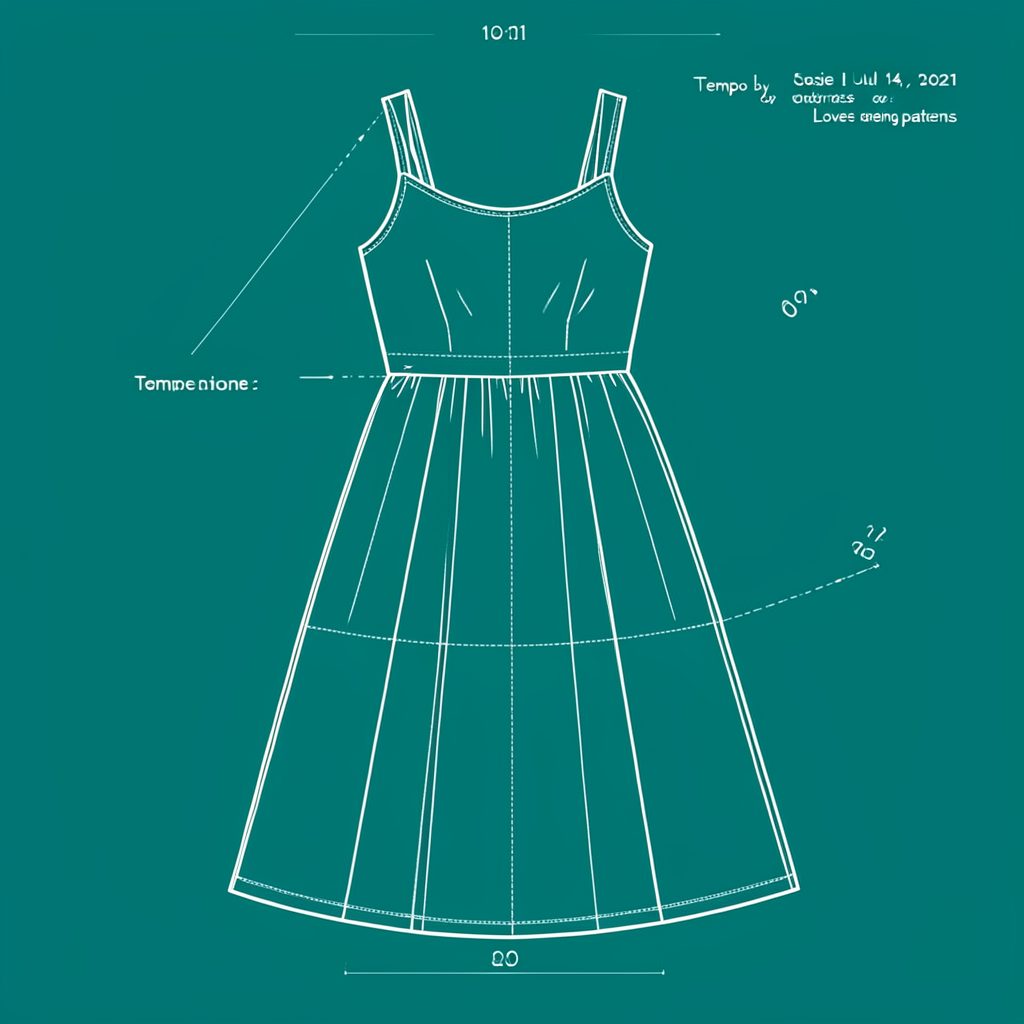
Blueprints For Sewing Penny Dress Pattern Review
Some sewing patterns earn a place in the regular wardrobe because they make everyday dressing feel easy. The Penny Dress from Blueprints for Sewing has that useful quality: it is relaxed enough for ordinary days, polished enough for going out, and adaptable enough to suit several fabrics and personal styles.
I was drawn to the pattern’s clean shape and practical details rather than a complicated feature list. It has the kind of understated design that lets fabric, colour, and small finishing choices take the lead. That makes it a rewarding project for confident beginners, while experienced sewists can use it as a dependable base for adjustments and variations.
My version gave me a good opportunity to look closely at the instructions, construction order, fabric behaviour, and final fit. As with every garment, the result depends on choosing the right size and material, but the pattern itself provides a clear starting point for a wearable handmade dress.
First Impressions Of The Penny Dress
The Penny Dress has a simple, unfussy silhouette with enough shape to avoid looking like a sack. Its comfortable proportions make it appealing for a day dress, particularly when sewn in a soft fabric that moves with the body. The design feels modern without being tied to a very specific fashion moment.
The pattern’s strength is its versatility. A printed cotton or linen blend creates a practical summer dress, while a fluid knit gives a softer, more relaxed result. A plain fabric shows off the lines of the garment, whereas a small-scale print can add interest without making construction feel visually complicated.
The overall look is easy to personalise. You could change the length, add contrast details, use a different sleeve treatment if supported by the pattern, or make several versions for different seasons. It is a useful addition to a handmade wardrobe because it does not rely on one special occasion.
Fabric And Size Selection
Fabric choice makes a noticeable difference to the finished Penny Dress. Medium-weight woven fabric gives the dress more structure and helps it hold its shape. Linen, cotton lawn with suitable body, chambray, viscose linen, and light denim could all work, depending on the effect you want. For a drapier result, choose fabric with movement but avoid anything so slippery that it makes accurate cutting and pressing difficult.
If you are considering a stretch fabric, check the pattern requirements carefully and compare the recommended fabric type with the amount of recovery available. Activewear fabrics can be tempting because they are comfortable, but they behave very differently from everyday jersey. This guide to activewear fabric choices is useful when you are deciding whether a performance knit is appropriate for a dress project.
Use the finished garment measurements as well as the body measurements. A pattern with a relaxed fit can look much larger on paper than expected, so choosing solely from a familiar shop size may lead to an unnecessarily oversized result. Measuring the pattern pieces and comparing them with a garment you already enjoy wearing is a sensible extra step.
Construction And Instructions
The construction is approachable, especially if you break the process into manageable stages. Transfer the important markings, stay-stitch areas that may stretch, and keep your seam allowances consistent. Pressing after each seam makes a significant difference to the final appearance, even when the dress has a casual style.
The instructions are most helpful when followed in order rather than treated as a loose checklist. I found it worthwhile to read through the whole booklet before cutting, particularly to understand where finishing techniques would affect the construction sequence. A quick test with a fabric scrap can also prevent surprises around neckline edges, waist sections, or any areas where several layers meet.
If your version includes an elasticated section, take time to measure the elastic against your body rather than relying only on the stated length. The casing should be secure without feeling restrictive. These steps on sewing an elastic casing are a helpful reference for creating an even, comfortable finish.
| Feature | What Worked Well | Points To Check |
|---|---|---|
| Silhouette | Relaxed and easy to wear | Compare finished measurements before cutting |
| Fabric options | Adaptable across several dressmaking fabrics | Match fabric weight to the desired drape |
| Construction | Manageable stages for home sewing | Mark pieces carefully and press throughout |
| Fit | Comfortable without looking shapeless | Consider a toile if between sizes |
| Wardrobe use | Suitable for casual and everyday outfits | Choose fabric and length for the season |
Fit Adjustments Worth Considering
The Penny Dress is a good candidate for small, thoughtful alterations. Before making changes, compare the pattern to your own measurements and assess where the garment is intended to sit. A minor adjustment at the bust, waist, or hip can improve the balance of the whole dress.
Length is one of the easiest ways to alter the design. A shorter version can feel light and casual, while a longer hem creates a more swishing, grown-up shape. Remember to check the position of any waistline, pockets, or other features after changing the length so that they remain comfortable and proportionate.
If you are unsure about the fit, make a quick toile from inexpensive fabric or an old duvet cover. This is especially useful when using a fabric with little forgiveness. A toile gives you the chance to check neckline comfort, arm movement, and overall ease before cutting into the fabric you really want to use.
Finishing Details And Wearability
Neat finishing is what turns a straightforward make into a dress that feels ready to wear. Overlocking or zigzagging raw edges, trimming bulky seam allowances, and giving hems a careful press all help. If your fabric frays significantly, finish the edges before construction where practical, but avoid adding bulk to enclosed seams.
Pockets, if included in your chosen version, are an important part of the dress’s everyday appeal. Check their position before stitching permanently, since a pocket that sits too high or low can be irritating in use. Stay-stitching and careful pressing around openings will help them sit flat.
The dress works well with simple accessories. Add trainers and a cardigan for errands, sandals for warmer weather, or ankle boots and a jacket when the temperature drops. A handmade dress becomes much more valuable when it fits naturally into several parts of your existing wardrobe.
Who Will Enjoy This Pattern
The Penny Dress should suit sewists who want a wearable project without an intimidating construction process. Beginners with some previous experience of inserting sleeves, sewing curved seams, or working with facings and casings will have a manageable challenge. It is also a pleasant project for experienced makers who want a reliable pattern with scope for fabric-led experimentation.
I would recommend making a wearable toile if your measurements span more than one size or if you are unsure about the intended ease. The first version can reveal whether you prefer a closer fit, a longer hem, or a different fabric weight. Those discoveries make later versions quicker and more successful.
Keep these points in mind before cutting:
- Check the finished garment measurements, not just the size chart.
- Make a toile when you are between sizes or changing the fabric type.
- Choose fabric with enough body or drape to support the silhouette.
- Press each construction stage and test elastic length against your body.
The Penny Dress is a pattern I would return to because it offers a strong balance between comfort, style, and sewing satisfaction. It does not demand elaborate techniques to create a finished garment, yet it leaves plenty of room for customisation through fabric, length, fit, and styling. For a handmade wardrobe, that combination is hard to beat.
If you make your own Penny Dress, share your fabric choice and version with the sewing community at It Is Josie. Your project may be the inspiration someone else needs to choose a pattern, cut into treasured fabric, and enjoy making a dress they will wear often.
Popular Pattern Reviews
| Pattern | Designer | Type | Highlight |
|---|---|---|---|
| Compose Robe (Kids) | Love Notions | Robe / Loungewear | Sizes 2T–16, cosy & practical |
| Tempo Sundress | Love Notions | Sundress | No closures, shirred back panel |
| Arlington Sweater | Love Notions | Sweater | Cold-weather staple |
| Sybil Illusion Skirt | Love Notions | Skirt (knit) | 7 variations, optional pockets |
| Camden Pinafore | Nina Lee Patterns | Pinafore dress | Year-round layering piece |
| Ogden Cami (dress hack) | True Bias | Cami / Dress | Versatile wardrobe builder |
| Burda 6829 | Burda | Dress | Multi-sized, special-occasion |
Stay in Touch
Subscribe to the newsletter for sewing inspiration, pattern tips, and project ideas delivered straight to your inbox.