Fabric recommendations for sewing activewear
Choosing fabric for an activewear project involves more than finding a knit with plenty of stretch. The right material needs to suit the activity, pattern design, climate, and level of support required. A soft fabric that feels wonderful for lounging may become heavy, clingy, or uncomfortable during a brisk walk or workout.
For home sewists, fabric descriptions can also be inconsistent. “Performance jersey”, “athletic knit”, “sports lycra”, and “technical knit” may refer to very different materials. Checking fibre content, stretch percentage, recovery, weight, and fabric width gives a much clearer picture than relying on the name alone.
The best fabric recommendations for sewing activewear therefore begin with the garment’s purpose. A relaxed sweatshirt, fitted running top, yoga leggings, and supportive sports bra all need different characteristics. Once those requirements are clear, shopping becomes far less confusing.
Start with the activity and garment
Low-impact garments offer the widest choice of fabric. For a loose exercise top, walking tee, or layering pullover, cotton jersey, bamboo jersey, modal blends, and lightweight polyester knits can all work well. Look for comfortable four-way stretch if the pattern has close-fitting sleeves or a shaped bust.
Leggings and fitted cycling shorts need stronger recovery. Nylon-spandex or polyester-elastane blends are usually dependable because they stretch around the body and return to shape after movement. A fabric that stretches easily but stays pulled out at the knees will make an otherwise well-fitted garment feel disappointing.
High-impact pieces need additional support from both the fabric and the pattern. Sports bras, compression shorts, and fitted tank tops benefit from firm stretch, excellent recovery, and good opacity. The fabric should pass a simple squat test before cutting: stretch a piece across the body and check whether it becomes transparent or shows excessive distortion.
Understand the main fibre choices
Polyester performance knit is widely available and often affordable. It dries quickly, resists abrasion, and holds colour well, making it useful for running tops, training leggings, and children’s sportswear. Some polyester fabrics can retain odour, so a moisture-wicking finish and careful washing routine are valuable.
Nylon-spandex is smooth, resilient, and often slightly softer against the skin than basic polyester. It is a popular choice for leggings, swimwear-inspired activewear, and fitted tops because it combines strong recovery with a sleek surface. Nylon can be more vulnerable to high heat, so follow the care instructions and avoid a hot tumble dryer.
Natural-fibre jerseys can be lovely for gentle exercise and everyday layers. Cotton is breathable and comfortable, but it absorbs sweat and dries slowly. Bamboo and modal blends feel soft and fluid, although they may have less firm recovery unless blended with elastane. This jersey fibre comparison is useful when deciding between soft, breathable options for a casual activewear wardrobe.
Merino jersey is another possibility for base layers and outdoor activities. It regulates temperature well and can resist odour, but it costs more and may need gentler handling. A small percentage of nylon can improve durability, while elastane helps the garment retain its shape.
Check stretch, recovery, and weight
Stretch percentage should be measured rather than guessed. Place a ruler beside a ten-centimetre section of fabric, stretch it without forcing the fibres, and record how far it reaches. A fabric extending to fifteen centimetres has 50 per cent stretch. Repeat the test across the grain and along the length because some knits have very different two-way and four-way stretch.
Recovery is equally important. Release the fabric after stretching and watch whether it returns quickly to its original measurement. Strong recovery is essential for waistbands, cuffs, leggings, and close-fitting bodices. A fabric with generous stretch but poor recovery may be comfortable at first and baggy after an hour of wear.
Fabric weight affects coverage, warmth, and drape. Lightweight jersey works for breathable tops, but it may reveal every seam or become transparent when stretched. Medium-weight activewear knit is a versatile choice for leggings and fitted dresses. Heavier ponte-style knits provide structure and warmth, though they can feel too bulky for vigorous exercise.
The pattern’s requirements should guide the purchase. If a pattern specifies 50 per cent stretch and the fabric offers only 25 per cent, sizing up will not solve the problem. Insufficient stretch can restrict movement, distort the neckline, and place strain on seams.
| Activewear project | Useful fabric choices | Key properties to look for | Common caution |
|---|---|---|---|
| Relaxed exercise tee | Cotton jersey, bamboo blend, polyester jersey | Breathability, soft hand, moderate stretch | Slow-drying fibres may feel damp |
| Running or training top | Polyester or nylon performance knit | Moisture management, light weight, four-way stretch | Test for odour retention and transparency |
| Yoga leggings | Nylon-spandex, polyester-elastane | High stretch, strong recovery, opacity | Avoid fabric that shines or bags at the knees |
| Sports bra | Firm nylon-spandex, power mesh panels | Stable stretch, compression, recovery | A soft fashion knit may lack support |
| Warm-up sweatshirt | French terry, technical fleece, scuba knit | Moderate stretch, warmth, structure | Thick fabric can overwhelm small details |
| Outdoor base layer | Merino blend, synthetic thermal knit | Temperature regulation, quick drying | Check washing and pilling resistance |
Match fabric to pattern design
Pattern details can change the fabric requirements. A simple pull-on jogger may suit French terry or a stable sweatshirt knit, while a contoured legging with a curved waistband usually needs smooth, high-recovery fabric. Panels, pockets, gussets, and exposed elastic also affect bulk and seam performance.
Before choosing fabric, read the designer’s suggested materials and stretch chart. Indie patterns often provide more specific guidance than a general fabric shop label. If the design has negative ease, the fabric must be able to stretch over the body comfortably. If it is drafted with ease, a softer knit may create a better drape.
A relaxed sweater can sometimes be made from a lighter jersey than suggested, but a fitted activewear pattern is less forgiving. For example, the Sloane fit tips demonstrate how proportion and fit adjustments matter when selecting fabric for a close-to-the-body upper garment. Fabric choice and pattern adjustment should be considered together, especially around the bust, waist, and hip.
Print direction is worth checking too. Some activewear knits have a subtle vertical texture, brushed side, or sheen that looks different when turned. Stretch the fabric in both directions before laying out the pattern, and keep the greatest stretch where the pattern requires it.
Sew a reliable test garment
A small test can prevent an expensive mistake. Cut a rectangle, stretch it over your hand or a fitting form, and inspect coverage, recovery, and comfort. For leggings, make a partial test including the waistband and upper leg. This reveals whether the elastic, fabric, and seam construction work together.
Use a stretch or ballpoint needle and polyester thread for most performance knits. A narrow zigzag, lightning stitch, or serger seam allows movement without breaking. Test the stitch on scraps, then pull the seam firmly. The stitches should stretch with the fabric rather than pop or form a rigid ridge.
A walking foot can help with slippery or highly elastic fabric, while clips are often easier than pins near the cutting edge. Stabilise shoulder seams with clear elastic, narrow twill tape, or a strip of stable knit if the pattern calls for it. Press with low heat and a pressing cloth when working with synthetic fibres.
Finishing details influence comfort during exercise. Coverstitching gives a professional appearance, but a neat zigzag is perfectly serviceable. Avoid bulky seam allowances in areas exposed to repeated friction, and consider soft elastic or fold-over elastic for waistbands and armholes.
Care for long-lasting performance
Activewear should be washed soon after heavy use, particularly when synthetic fibres are involved. Turn garments inside out, use a mild detergent, and avoid fabric conditioner because it can coat fibres and reduce moisture-wicking performance. Follow the manufacturer’s temperature advice rather than assuming every synthetic knit is heatproof.
Air drying is gentler than tumble drying and helps elastane retain its recovery. Keep leggings away from rough Velcro, zips, and abrasive surfaces that can cause pulls or pilling. If a garment begins to feel loose, shiny, or thin in high-friction areas, it may have reached the end of its useful life even if the seams remain intact.
Buying a little extra fabric is sensible when working with directional prints or brushed finishes. A swatch washed before cutting gives valuable information about shrinkage, colourfastness, and changes in softness. It also makes it easier to compare the fabric’s post-wash recovery with the original sample.
Practical fabric-shopping priorities
When comparing online listings or browsing a local shop, focus on measurable qualities rather than attractive colour alone. These checks make it easier to choose fabric that feels good during movement and remains wearable after repeated washing:
- Confirm the fibre composition and elastane percentage.
- Measure stretch in both directions and compare it with the pattern requirements.
- Test recovery by stretching, releasing, and checking whether the fabric returns promptly.
- Hold the fabric to the light and stretch it to assess opacity.
- Wash a sample before cutting a full garment, especially for leggings or fitted tops.
A fabric swatch is also a useful record for future projects. Note the supplier, width, weight, stretch, recovery, and laundering results. Over time, these notes create a personal reference library of reliable jersey, technical knit, and sweatshirt fabrics.
Good activewear sewing is a balance between comfort, movement, and durability. Softness matters, but so do recovery and coverage; breathability helps, but drying speed may matter more for strenuous exercise. With a suitable pattern, a carefully tested knit, and the right construction methods, handmade sportswear can become one of the most practical parts of a sewing wardrobe.
Choose a small project that matches your experience, test the fabric before cutting, and keep notes on what works. Each finished garment will make the next fabric decision easier and bring you closer to a dependable collection of handmade activewear.
Popular Pattern Reviews
| Pattern | Designer | Type | Highlight |
|---|---|---|---|
| Compose Robe (Kids) | Love Notions | Robe / Loungewear | Sizes 2T–16, cosy & practical |
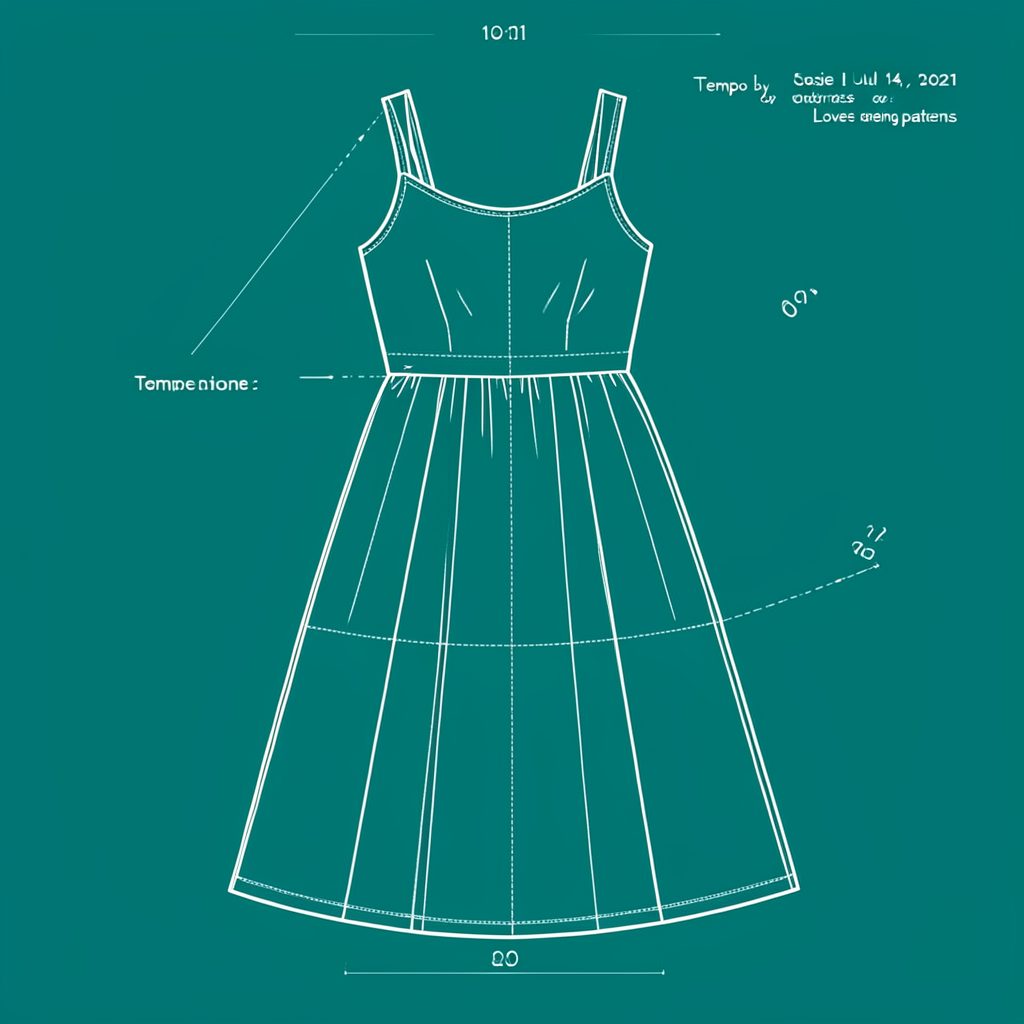
| Tempo Sundress | Love Notions | Sundress | No closures, shirred back panel |
| Arlington Sweater | Love Notions | Sweater | Cold-weather staple |
| Sybil Illusion Skirt | Love Notions | Skirt (knit) | 7 variations, optional pockets |
| Camden Pinafore | Nina Lee Patterns | Pinafore dress | Year-round layering piece |
| Ogden Cami (dress hack) | True Bias | Cami / Dress | Versatile wardrobe builder |
| Burda 6829 | Burda | Dress | Multi-sized, special-occasion |
Stay in Touch
Subscribe to the newsletter for sewing inspiration, pattern tips, and project ideas delivered straight to your inbox.