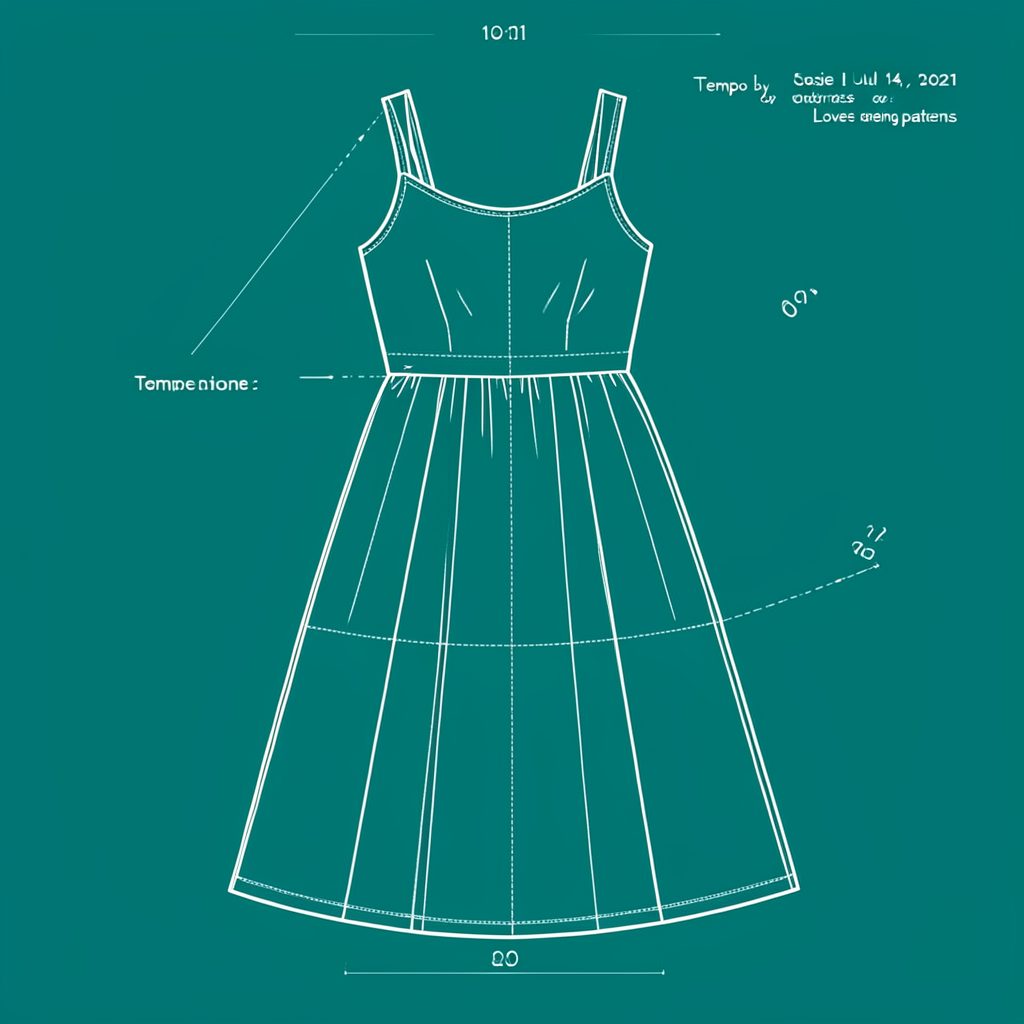
Pattern Review: The Fibre Mood Madam Dress
The Fibre Mood Madam dress is the sort of pattern that makes a strong first impression. Its shape feels polished without being excessively formal, giving it the potential to become a useful wardrobe staple rather than a one-occasion project. The design has enough detail to feel special, while the overall silhouette remains approachable for a confident beginner.
What appeals to me most is the balance between structure and ease. Madam has a defined bodice and a feminine skirt, but it does not rely on complicated tailoring techniques to create its effect. With thoughtful fabric selection and careful fitting, it can become a dress that looks considered from every angle.
This review looks at the pattern’s style, construction, fabric choices, and suitability for different sewing abilities. As with any independent sewing pattern, the finished result depends on checking the measurements, following the instructions in sequence, and making a toile where the fit is important.
The Shape And Style
Madam has a distinctive silhouette that feels elegant without looking dated. The bodice gives the dress visual definition, while the skirt provides movement and softness. This contrast makes the pattern easy to style for everyday wear, garden gatherings, celebrations, or a slightly smarter occasion.
The neckline and waist treatment draw attention to the upper body, so the dress works particularly well in fabrics that hold a little shape. A crisp cotton poplin, linen blend, lightweight denim, or cotton sateen would emphasise the clean lines. A drapier viscose or washed linen would create a more relaxed interpretation with softer movement through the skirt.
The pattern also offers plenty of scope for personalisation. A plain fabric allows the construction details to stand out, while a small floral, gingham, or narrow stripe can give the dress a more playful character. If using a directional print, take time to consider how it will sit across the bodice and skirt before cutting.
Choosing Fabric And Notions
Fabric choice will have a noticeable effect on the personality of this dress. Medium-weight woven fabric is a sensible starting point because it supports the bodice while remaining comfortable to wear. Very lightweight fabric may need lining or interfacing to prevent the upper section from feeling flimsy, especially around openings and fastening points.
Linen is an excellent option for a warm-weather Madam, although it needs a little preparation. My linen preparation tips cover pre-washing, pressing, and handling techniques that help avoid surprises after the garment is finished. Linen’s natural creasing is part of its appeal, but pre-treating it will still help the finished dress keep its intended proportions.
Pay attention to the pattern’s notions list before beginning. Matching thread, suitable interfacing, a reliable fastening, and a fine machine needle are small details that can make the sewing process smoother. If the pattern includes gathers, staystitching and clear marking are especially helpful for keeping the waistline even.
Cutting And Fitting The Bodice
The bodice is the area that deserves the most attention during fitting. A close-fitting upper section can look beautiful, but small inaccuracies around the bust, waist, neckline, or armholes may affect comfort. Begin by comparing the finished garment measurements with a dress that already fits well, rather than choosing a size from body measurements alone.
A toile is worthwhile if you are between sizes or have previously needed adjustments to commercial patterns. It can reveal whether the bust needs extra room, whether the shoulder position is correct, and whether the waistline sits where you expect. These checks are much easier before cutting into a treasured length of fabric.
Use accurate seam allowances and transfer all important markings from the paper pattern. Matching notches carefully will help the bodice sections come together more neatly, while pressing each seam as you sew gives the garment a more professional finish. For a structured look, avoid rushing through interfacing and stabilisation steps.
| Feature | What To Expect | Helpful Approach |
|---|---|---|
| Overall style | Feminine, polished, and versatile | Choose fabric according to the occasion |
| Main fabric | Best suited to woven materials | Test drape and opacity before cutting |
| Fitting focus | Bodice, bust, waist, and neckline | Compare finished measurements and toile first |
| Skill level | Accessible to confident beginners | Read the instructions fully before sewing |
| Styling potential | Works for casual or dressier outfits | Change fabric, accessories, and layering |
| Best finishing habit | Careful pressing and seam matching | Press throughout rather than only at the end |
Sewing The Skirt And Waistline
Once the bodice is fitted, the skirt construction should feel more straightforward. The most important task is controlling the fullness so that it is distributed evenly around the waist. Whether the pattern uses gathers, pleats, or another form of shaping, mark the centre points and side seams before joining the sections.
It helps to work slowly when attaching the skirt to the bodice. Pinning in small sections allows you to adjust the fullness rather than pushing it all towards one area. A longer machine stitch can make gathering easier, but the final seam should be secured properly and pressed in the direction recommended by the pattern.
The waist seam is also a useful place to check balance. Try the dress on before completing the final finishing steps and look at the hemline from several angles. If the fabric has a loose weave or significant bias movement, letting the dress hang before hemming can prevent an uneven result later.
Instructions And Sewing Experience
Fibre Mood patterns are generally appealing because they combine contemporary design with manageable construction. Madam has the visual impact of a more advanced project, but the techniques are familiar enough for an adventurous beginner who is comfortable sewing woven garments. The main challenge is likely to be accuracy rather than highly technical tailoring.
Read through the instructions before cutting. This helps identify when a piece needs interfacing, which edges require stabilising, and whether any sections should be assembled in a particular order. It also gives you an opportunity to plan seam finishes before the garment begins to take shape.
Experienced sewists may enjoy using Madam as a base for experimentation. You could alter the skirt length, make a shorter sleeve if the design allows, add contrast panels, or use topstitching to highlight the construction. Beginners, meanwhile, may prefer to make the first version close to the original before attempting modifications.
How Madam Fits A Handmade Wardrobe
The strength of this pattern is its versatility. In a cotton lawn or floral linen, it can become a light summer dress. In corduroy, needlecord, or a heavier cotton, the same design could work for autumn with boots and a cardigan. A darker solid fabric would give it a more sophisticated feel, while a bright print would make the silhouette more expressive.
Think about how the dress will be worn before choosing fabric. If you want a garment for regular use, select something washable and comfortable, and consider whether the fastening is practical for dressing. If the aim is an occasion dress, you can prioritise texture, colour, or a more luxurious drape.
For more sewing inspiration, fabric ideas, and independent pattern projects, Josie's sewing blog brings together practical guidance with plenty of handmade wardrobe inspiration. Madam would sit comfortably alongside patterns from other indie designers because it offers a clear design identity while leaving room for individual interpretation.
Practical Tips For A Successful Make
A few preparation steps can make the sewing experience considerably more enjoyable:
- Check both body measurements and finished garment measurements before selecting a size.
- Make a quick toile if the bodice fit is uncertain or the fabric is expensive.
- Staystitch vulnerable neckline and armhole edges as soon as the pieces are cut.
- Press every seam as you go, using a pressing cloth when working with delicate or dark fabric.
- Let linen and other unstable fabrics rest before hemming so the finished length is more reliable.
It is also worth taking photographs during fitting. A front, side, and back view can reveal balance issues that are easy to miss when looking down at the garment. If the dress feels comfortable and the waist sits correctly, the final finishing work becomes much more satisfying.
Madam is a rewarding pattern for sewists who want a dress with presence but do not want to take on complex tailoring. Its elegant shape, adaptable fabric choices, and potential for customisation make it a strong candidate for a handmade wardrobe. Choose the fabric carefully, give the bodice the time it deserves, and the finished dress should feel both distinctive and wearable.
Add the Fibre Mood Madam dress to your sewing queue, gather a fabric that suits your style, and make a version that reflects how you want to dress. Keep notes as you sew so the next version can be adjusted with confidence, and share the finished garment with the wider sewing community.
Popular Pattern Reviews
| Pattern | Designer | Type | Highlight |
|---|---|---|---|
| Compose Robe (Kids) | Love Notions | Robe / Loungewear | Sizes 2T–16, cosy & practical |
| Tempo Sundress | Love Notions | Sundress | No closures, shirred back panel |
| Arlington Sweater | Love Notions | Sweater | Cold-weather staple |
| Sybil Illusion Skirt | Love Notions | Skirt (knit) | 7 variations, optional pockets |
| Camden Pinafore | Nina Lee Patterns | Pinafore dress | Year-round layering piece |
| Ogden Cami (dress hack) | True Bias | Cami / Dress | Versatile wardrobe builder |
| Burda 6829 | Burda | Dress | Multi-sized, special-occasion |
Stay in Touch
Subscribe to the newsletter for sewing inspiration, pattern tips, and project ideas delivered straight to your inbox.