Pattern review: the Hey June Handmade Union St Tee
A well-drafted T-shirt pattern can become the most useful file in a sewing library. The Hey June Handmade Union St Tee is designed for that role: a straightforward knit top with enough neckline, sleeve and hem options to support several different wardrobes. It is a practical project for someone moving beyond beginner patterns, while still being approachable as a first attempt at sewing stretch fabric.
The appeal is its everyday versatility. Sew one in a lightweight cotton jersey for a hot Brisbane afternoon, a striped knit for casual Melbourne layering, or a soft long-sleeved version for cooler evenings in Hobart. The finished garment is simple, but the fit and fabric choices determine whether it becomes a polished staple or merely an average homemade T-shirt.
| Feature | Union St Tee | Best suited to |
|---|---|---|
| Garment type | Everyday knit T-shirt | Casual wardrobes and repeat sewing |
| Neckline choices | Crew, scoop and V-neck variations, depending on edition | Different levels of style and sewing confidence |
| Sleeve options | Short and longer sleeve options | Warm climates, layering and seasonal use |
| Fit | Comfortable, wearable shape rather than a tight fashion tee | Beginners and practical dressers |
| Main fabric | Stretch knit such as cotton jersey or rayon jersey | Soft tops with comfortable movement |
| Construction level | Beginner-friendly with useful opportunities to practise | A first knit garment or reliable wardrobe basic |
What the pattern is designed to do
The Union St Tee focuses on proportion rather than decoration. Its clean shape makes the fabric, neckline and finishing details visible, which is exactly what makes it useful for testing different knits. A stable cotton jersey can produce a crisp everyday top, while bamboo, rayon or modal jersey creates a softer drape and a slightly dressier result.
The pattern’s selection of necklines gives it more range than a single basic T-shirt block. A crew neck feels classic and sporty, a scoop neck can look lighter and more relaxed, and a V-neck adds a little polish. The options are sufficiently different to justify making several versions, although they still belong to the same dependable wardrobe category.
This is a pattern for people who value repeatability. It is unlikely to satisfy someone looking for dramatic sleeves, unusual seaming or an oversized statement silhouette. For a capsule wardrobe, however, that restraint is an advantage. The shape can sit under dungarees, work with a patterned skirt or provide a plain base for a jacket.
Choosing fabric and size
Knit selection is the most important decision before cutting. Look for fabric with the amount of horizontal stretch specified by the pattern, and test recovery by stretching a swatch and seeing whether it returns to shape. A cheap, loose jersey may be comfortable on the cutting table but can produce a wavy neckline and a hem that grows during sewing.
Cotton-elastane jersey is often the safest starting point because it has predictable recovery and is widely available through Australian fabric shops. Rayon jersey is cooler and more fluid, which suits humid parts of Queensland and northern New South Wales, but it can shift while cutting. Rib knit may work for bands or a close-fitting version, though its stretch can alter the intended proportions.
Australian sewists also need to consider fabric availability and cost. Local brick-and-mortar shops are concentrated around larger markets such as Sydney, Melbourne, Brisbane and Adelaide, while online stores make a broader range accessible to regional makers. Add postage, possible import charges and the exchange rate when comparing an overseas pattern bundle with a local fabric purchase. A test garment can prevent an expensive cut of linen-look jersey from becoming a disappointment.
Use the finished garment measurements as well as the body chart. Measure the bust, waist and hip, then compare those figures with a favourite T-shirt that fits in the way you want. A single size may be suitable throughout, but blending between sizes or adjusting for a fuller bust can create a more balanced result than choosing purely by bust measurement.
Construction and fit in practice
The Union St Tee is a sensible way to build confidence with knit construction. The shoulder seams, side seams and sleeve insertion are familiar territory, while the neckline binding and hem offer useful practice in managing stretch. A zigzag stitch, stretch stitch or serger can all be used, but the chosen method should allow the seam to expand over the body.
Read the instructions before beginning, particularly if the pattern includes several neckline and sleeve options. Mark the pieces clearly and check whether the seam allowance changes between construction steps. Basting or using a long temporary stitch at the shoulder can make it easier to assess the neckline before committing to final stitching.
A muslin is worthwhile when using an unfamiliar size range, fabric type or alteration. A plain, inexpensive jersey can reveal shoulder width, bust position and overall length without wasting the fabric bought for the final garment. These muslin testing tips are useful beyond this particular tee, especially when an online pattern cannot be tried on before purchase.
Pay attention to the neckline during fitting. If it stands away from the body, the binding may have been stretched too little or the fabric may lack recovery. If it pulls sharply, the binding could be too short, the seam allowance may have been trimmed unevenly, or the neckline may need a small adjustment. Pressing each seam and using a twin needle or coverstitch-style finish can make a simple garment look considerably more professional.
Making it work for an Australian wardrobe
Climate should guide both fabric and sleeve length. A breathable short-sleeved version is practical for summer in Perth or Darwin, but a lightweight long-sleeved tee earns its place in Melbourne’s changeable weather. In Sydney and coastal areas, a drapey jersey can be comfortable, although darker colours may feel warmer in full sun.
The top also works well with everyday Australian dressing habits: denim shorts, linen trousers, activewear-inspired layers and relaxed weekend skirts. A slightly longer hem can provide better coverage with leggings, while a shorter version may sit neatly with high-waisted jeans. Before changing the length, compare the pattern pieces with a garment you already wear rather than relying on a standard idea of where a T-shirt should finish.
Print placement is another opportunity. Stripes can emphasise or soften the shape depending on their direction, and a small-scale print disguises minor construction irregularities. For a solid tee, contrast binding adds interest without turning the project into a complicated colour-blocked design. Scraps from a successful garment can also become DIY fabric bunting, making a coordinated party decoration instead of adding more textile waste.
Care matters in the Australian climate. Wash a fabric sample before cutting, especially when buying cotton jersey, and check how it responds to warm-weather washing and line drying. Strong sun can fade some dyes quickly, so turning garments inside out and drying them in shade may help preserve a favourite handmade tee.
Practical choices before cutting
The Union St Tee sits comfortably among independent pattern designs because it offers a focused, wearable result rather than chasing seasonal trends. If your pattern collection already contains complex dresses or occasion garments, this is the kind of reliable base that fills the gaps. If you are comparing it with more specialised projects, browsing these indie lingerie patterns can show how different designers approach fit, instructions and size information.
Australian buyers should also keep purchase details in mind. Download the correct file, save a backup and check the designer’s sizing and printing instructions before taping pages together. Under Australian Consumer Law, consumer guarantees apply broadly to goods and services, but a downloadable sewing pattern may have specific terms around access, errors and refunds. Reading those conditions before buying is a sensible step, particularly when purchasing from an overseas business.
A short preparation checklist will make the project smoother:
- Choose a knit with reliable recovery and enough stretch for the selected view.
- Pre-wash and dry the fabric in the way the finished tee will normally be cared for.
- Compare body measurements with finished measurements and a favourite ready-to-wear top.
- Make a quick test version if the neckline, bust or length is uncertain.
- Stabilise shoulder seams and use a stretch-friendly stitch for durable everyday wear.
The pattern’s greatest strength is its repeat potential. Once the first version establishes the preferred size, length and neckline, later garments can be cut with much greater confidence. That makes the Hey June Handmade Union St Tee a practical addition to an Australian sewing wardrobe: simple enough for regular use, adaptable across seasons, and rewarding when careful fabric and fit choices are made.
Popular Pattern Reviews
| Pattern | Designer | Type | Highlight |
|---|---|---|---|
| Compose Robe (Kids) | Love Notions | Robe / Loungewear | Sizes 2T–16, cosy & practical |
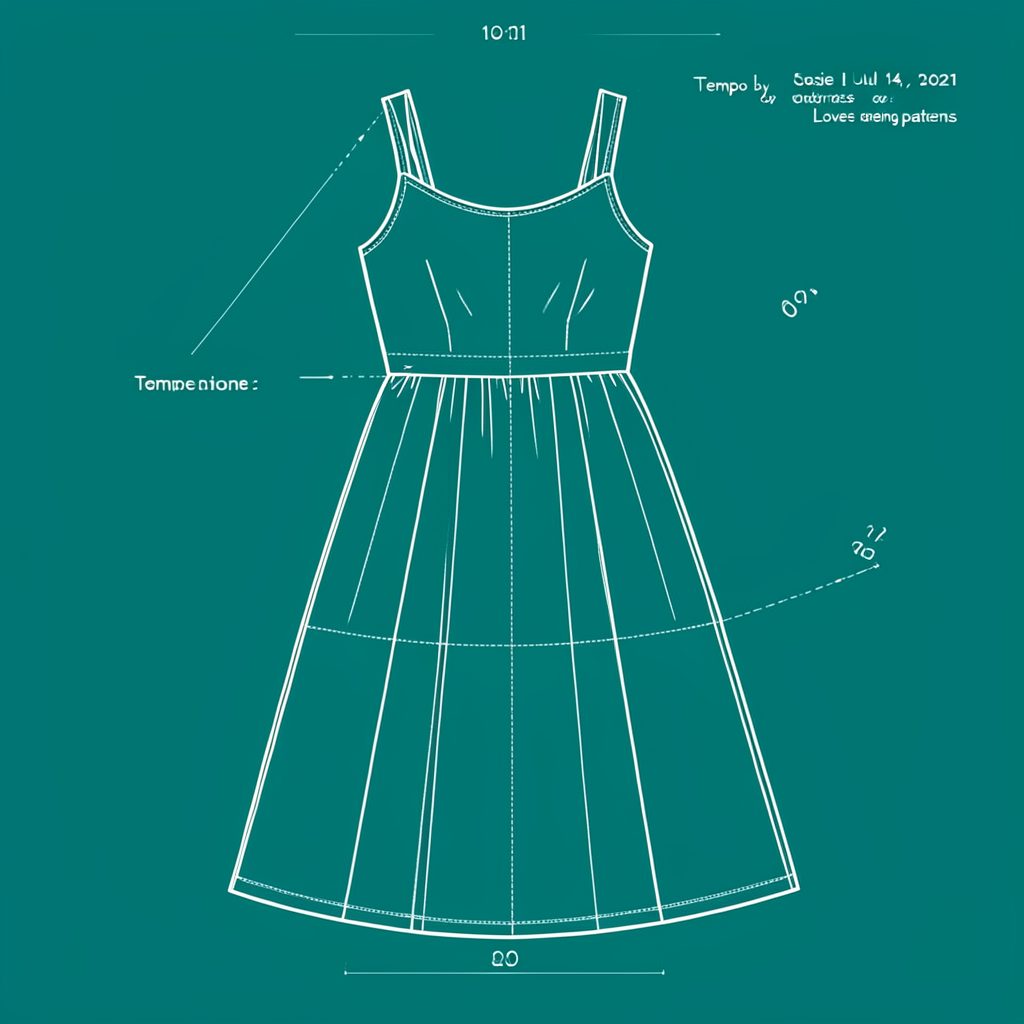
| Tempo Sundress | Love Notions | Sundress | No closures, shirred back panel |
| Arlington Sweater | Love Notions | Sweater | Cold-weather staple |
| Sybil Illusion Skirt | Love Notions | Skirt (knit) | 7 variations, optional pockets |
| Camden Pinafore | Nina Lee Patterns | Pinafore dress | Year-round layering piece |
| Ogden Cami (dress hack) | True Bias | Cami / Dress | Versatile wardrobe builder |
| Burda 6829 | Burda | Dress | Multi-sized, special-occasion |
Stay in Touch
Subscribe to the newsletter for sewing inspiration, pattern tips, and project ideas delivered straight to your inbox.