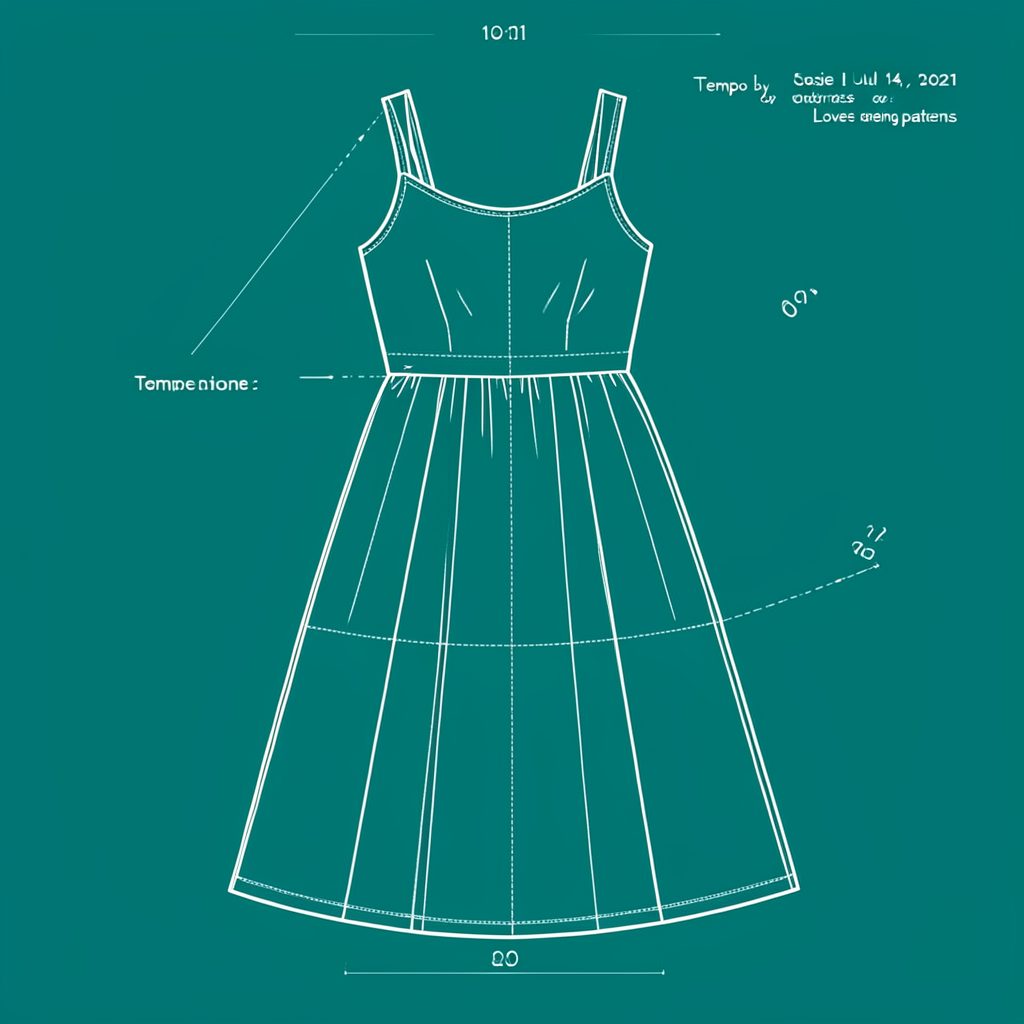
Pattern Review: The Sew Over It Vintage Shirt Dress
The Sew Over It Vintage Shirt Dress has the sort of silhouette that makes a handmade wardrobe feel instantly polished. It combines a neat shirt-style bodice with a defined waist and a full skirt, creating a dress that feels classically feminine without looking costume-like. The vintage influence is clear, yet the overall shape remains practical for modern wear.
I was drawn to this pattern because it offers plenty of opportunities to adjust the finished garment. A simple cotton version can become an everyday summer dress, while linen, chambray or a drapier rayon creates something with a completely different personality. It is the kind of sewing pattern that rewards thoughtful fabric choice.
For sewists in Australia, the design is particularly useful across changing seasons. It can be worn with sandals in Brisbane, layered with a cardigan in Melbourne, or styled with boots during a cooler Sydney or Hobart winter. The button-front construction also makes it easy to adapt for nursing access or personal fit preferences.
As with any independent pattern, the best results come from treating the instructions as a starting point rather than rushing straight to cutting. Measuring carefully, checking the finished garment measurements and making a quick toile will save time later, especially if your bust and waist fall into different size brackets.
The Vintage-Inspired Shape
The appeal of this dress lies in its balanced proportions. The bodice has a tailored shirt-dress character, with a collar and button opening that give structure around the neckline. Below the waist, the skirt provides movement and softness. That contrast keeps the garment interesting: crisp details above, comfortable volume below.
The silhouette suits a wide range of styling preferences. A belt can emphasise the waist even further, while leaving the waist seam unbelted gives a gentler, more relaxed line. The skirt fullness is also forgiving through the hips, which makes the pattern feel wearable rather than restrictive. It has a recognisable 1940s and 1950s influence without requiring a full vintage wardrobe.
The collar is the feature that gives the dress its strongest shirt-dress identity. It benefits from accurate pressing and careful understitching, particularly if you use a fabric with body. A slightly softer fabric will produce a more relaxed collar, while cotton poplin or lawn will make the neckline look sharper.
Choosing Fabric For An Australian Wardrobe
Light to medium-weight woven fabrics are the sensible starting point. Cotton lawn creates a cool, floaty dress with a delicate appearance, while cotton poplin gives the bodice enough structure to hold the collar and button band neatly. Linen is another excellent option for Australian conditions, although it will create a more relaxed finish and may need extra attention at the waist seam.
Rayon or viscose can produce beautiful movement in the skirt, but these fabrics require more patience. They shift while cutting, stretch on the bias and can make buttonholes less predictable. Stabilising the front opening with suitable interfacing is especially important when using a fluid fabric. A rayon challis dress would be lovely for a warm evening in Perth, but it is less beginner-friendly than a stable cotton.
Print scale matters as much as fibre content. Small florals, gingham and scattered geometric prints suit the nostalgic styling, while a bold modern print can make the dress feel contemporary. Australian sewists may find suitable options at Spotlight or local independent fabric shops, though online buying requires checking the listed width and fibre content carefully. A fabric that looks economical can become expensive if its narrow width requires extra metres.
Prewashing is essential, particularly for linen and cotton. Australia’s strong sunlight and frequent line drying can expose uneven shrinkage quickly, so washing the fabric in the same way you plan to wash the finished dress is worthwhile. Dark colours should also be tested for colourfastness before pairing them with a pale lining, thread or binding.
Construction Details That Matter
The dress includes several techniques that are manageable for an intermediate beginner but may feel demanding if this is your first collared garment. The collar, front opening, buttonholes and gathered or eased skirt all benefit from marking and pressing. Sewing slowly at these stages will produce a much more professional result than trying to correct alignment after the seams are closed.
I would make a toile of the bodice before cutting into a special fabric. Check the bust fit first, then assess the waist seam and the position of the buttons. If you need a full-bust adjustment, make it before altering the waist or skirt. A small change to the bodice can affect the button spacing, neckline balance and length of the front opening.
The pattern is also a useful lesson in interfacing. Lightweight woven interfacing is usually enough for a soft cotton, whereas a firmer fabric may need support only in selected areas. Over-interfacing can make the front opening stiff, particularly in a hot climate. The aim is to help the dress hold its shape while retaining comfortable movement.
For a similar experience with a different silhouette, my Harper Top review looks at another independent pattern and the fitting decisions that can make a significant difference. Comparing the two is useful if you are deciding whether you want a complete dress or a separate top that can be mixed with existing skirts and trousers.
Fit, Sizing And Everyday Wear
The Vintage Shirt Dress is most successful when the bodice is fitted without pulling across the bust or waist. Use the finished measurements as well as the body chart, because the amount of ease can change how you choose your size. Measure while wearing the bra or foundation garments you expect to wear with the dress, then compare those measurements with the pattern information.
Length is another area worth considering. Taller sewists may want to add length at the bodice or skirt, while petite sewists may prefer to shorten the skirt for a more balanced proportion. On a shorter frame, excessive skirt volume can overwhelm the figure; on a taller frame, the original length may feel more like a tunic unless adjusted.
The button-front style makes the dress versatile for daily wear. It works for a market morning, an office with a relaxed dress code or a family lunch, and it can be dressed up with earrings and heeled sandals. In Australia, breathable fabric and practical pockets matter more than a perfectly pressed finish, so I would embrace a slightly rumpled linen version rather than choosing a fabric that feels too warm.
Button choice can shift the mood dramatically. Shell or corozo buttons keep the dress soft and classic, while dark buttons add contrast and a more utilitarian feel. Make a sample buttonhole before committing, as button diameter affects spacing, front overlap and the final appearance of the bodice.
Value, Care And Pattern Verdict
A pattern like this earns its place when it can be sewn more than once. The first version may be a straightforward cotton dress made to understand the construction, followed by a linen version with adjusted length or a more adventurous print. Because the basic shape is familiar and adaptable, it has strong wardrobe potential rather than being a one-project novelty.
The PDF format is convenient for Australian sewists who want to start quickly, although home printing, taping and storing tiled pages add time. Keep the original file and avoid altering the only printed copy. When purchasing digital sewing patterns, remember that Australian Consumer Law protects consumers when products are faulty or inaccurately described, but a change-of-mind return is treated differently from a problem with the purchase. The practical answer is to check the size range, file format and printing instructions before buying.
My disclosure page explains how I approach pattern reviews and any relationships that may affect recommendations. For this design, the main strengths are the recognisable vintage styling, wearable waist definition and flexibility across fabrics. The main considerations are the collar construction, buttonholes and need for careful bodice fitting.
| Feature | Impression | Best Choice |
|---|---|---|
| Overall style | Vintage shirt dress with a modern wardrobe feel | Cotton poplin or linen |
| Construction level | Intermediate beginner with careful preparation | Make a bodice toile first |
| Fabric flexibility | Works with stable and drapey wovens | Start with a stable woven |
| Fit focus | Bust, waist seam and button placement | Check finished measurements |
| Climate suitability | Comfortable in warm weather with breathable fabric | Lawn, linen or light cotton |
| Styling potential | Casual, work-appropriate or dressy | Change buttons, print and accessories |
The Sew Over It Vintage Shirt Dress is a thoughtful choice for sewists who enjoy classic details and garments that can be personalised. It offers enough structure to feel satisfying while leaving room for fabric, length and styling decisions. With a careful fit and breathable cloth, it can become a dependable handmade dress for Australian wardrobes rather than an occasional costume piece.
Popular Pattern Reviews
| Pattern | Designer | Type | Highlight |
|---|---|---|---|
| Compose Robe (Kids) | Love Notions | Robe / Loungewear | Sizes 2T–16, cosy & practical |
| Tempo Sundress | Love Notions | Sundress | No closures, shirred back panel |
| Arlington Sweater | Love Notions | Sweater | Cold-weather staple |
| Sybil Illusion Skirt | Love Notions | Skirt (knit) | 7 variations, optional pockets |
| Camden Pinafore | Nina Lee Patterns | Pinafore dress | Year-round layering piece |
| Ogden Cami (dress hack) | True Bias | Cami / Dress | Versatile wardrobe builder |
| Burda 6829 | Burda | Dress | Multi-sized, special-occasion |
Stay in Touch
Subscribe to the newsletter for sewing inspiration, pattern tips, and project ideas delivered straight to your inbox.