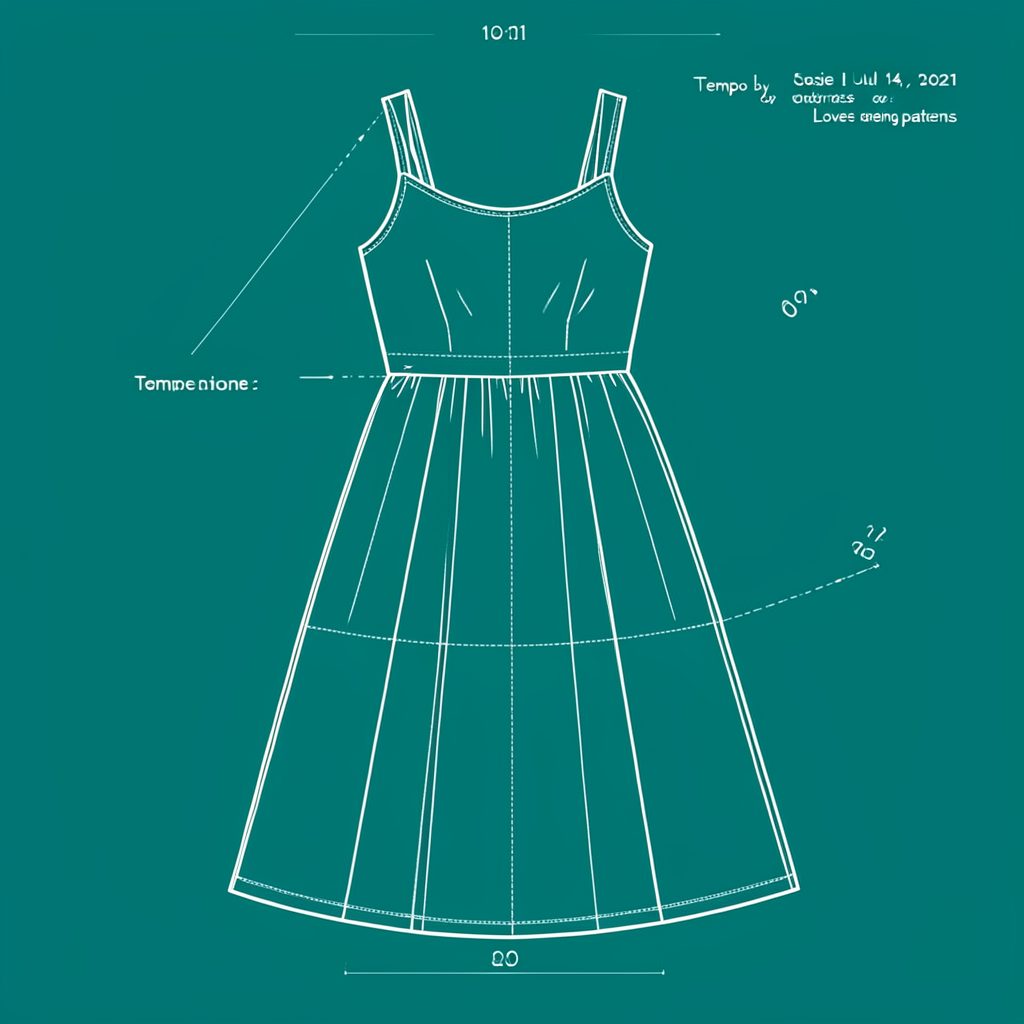
Pattern Review: The True Bias Ogden Cami
The True Bias Ogden Cami has earned its place as a modern sewing-room classic. It is a simple camisole pattern with a clean shape, delicate straps, and a finish that looks polished without demanding an exhausting construction process. I made mine as a wearable test of how much style and usefulness can come from a relatively small amount of fabric.
This project appealed to me because it sits between a quick sew and a valuable wardrobe staple. It can be worn alone in warm weather, layered beneath shirts and cardigans, or adapted into something more occasion-ready with the right fabric. For anyone building confidence with independent sewing patterns, it offers several useful techniques without feeling like a sewing exercise.
My version is relaxed, neat, and easy to style. There are a few details worth considering before cutting, particularly fabric choice, bust fit, and the intended amount of ease. Those choices have more influence on the final result than the straightforward instructions might suggest.
The Shape And Style
The Ogden Cami has a softly angled neckline and narrow shoulder straps, with a gentle V shape at the front and back. Its simple silhouette allows the fabric to take centre stage, whether that means a fluid satin, a crisp cotton lawn, or a lightweight linen blend. The neckline facing gives the top a tidy finish and helps it look more considered than a basic vest.
I like the balance between a close-fitting upper section and the slight ease through the body. It does not cling like a stretch camisole, but it also avoids looking oversized. The result is comfortable enough for everyday wear while still working beneath a tailored jacket or open shirt.
The pattern is especially appealing if you enjoy garments that can shift between casual and dressed-up. A printed cotton makes it cheerful and practical, while a drapey fabric creates a more fluid cami with a hint of lingerie-inspired style. The cropped option works well with high-waisted trousers and skirts; adding length creates a more versatile everyday top.
Fabric, Fit And Cutting Choices
For my first version, I would recommend choosing a fabric that is easy to control but has some movement. Cotton lawn, rayon challis, lightweight linen, silk, and stable crepe can all produce attractive results, although they behave very differently during cutting and pressing. A slippery fabric may make the narrow straps and neckline facing more fiddly, especially if this is an early garment project.
The fabric requirement is modest, which makes the Ogden Cami useful for special remnants or a treasured piece that is too small for a larger garment. Before cutting, I would still check whether the print has a clear direction and whether pattern matching matters. The front is uncomplicated, but a bold stripe or large motif can change the visual balance of the finished top.
Fit is worth approaching thoughtfully. Measure the high bust and full bust, compare those measurements with the pattern information, and consider whether a full bust adjustment or another alteration is needed. The relaxed shape gives some flexibility, but the neckline and upper chest still need to sit securely. If the cami gapes at the armhole or neckline, the issue may be related to size selection rather than construction.
The finished length is another practical decision. I prefer to hold the paper pattern against a garment I already wear, checking where the hem would sit with my usual trousers and skirts. A small length adjustment before cutting is much easier than wishing for extra coverage after sewing.
Sewing Experience And Finish
The construction is satisfying because each stage has a clear purpose. The neckline facing is attached and turned so that the inside remains clean, while the straps are made from fabric rather than relying on purchased tape. Those straps are narrow enough to look delicate but substantial enough to feel like part of a proper garment.
Accurate pressing makes a noticeable difference. Pressing the facing before understitching, shaping the neckline, and taking care with the strap seams all help the cami lie flat. I found that using a smaller stitch length around the sharper neckline points gave me better control, followed by careful trimming and clipping where needed.
| Feature | What It Offers | Helpful Consideration |
|---|---|---|
| Neckline | A soft V shape with a clean facing | Mark the centre point carefully and press before turning |
| Straps | Fabric-covered straps that match the garment | Use a loop turner or similar tool for narrow tubes |
| Silhouette | Gentle ease without a bulky shape | Compare finished measurements with a favourite cami |
| Length options | Scope for cropped or full-length styling | Check the hem against your usual high-waisted garments |
| Fabric flexibility | Works with woven fabrics from crisp to fluid | Choose a stable option for the first attempt |
| Wardrobe use | Suitable for layering or wearing alone | Consider opacity and bra coverage before cutting |
The straps were the part I approached most carefully. Narrow fabric tubes can be frustrating when the seam allowance is tight, but a turning tool and a little patience make the process manageable. I also recommend making sure both straps are exactly the same length before attaching them. Small differences are surprisingly visible once the garment is worn.
The instructions are concise and logical, although beginners may benefit from reading through the whole process before starting. This is one of those projects where preparation prevents confusion. It is not technically advanced, but the small scale of the pieces means that accuracy matters more than speed.
What Worked Particularly Well
The strongest feature of the Ogden Cami is its versatility. It is simple enough to sew repeatedly, yet each fabric gives it a distinct personality. That makes it a useful pattern for refining technique, using leftovers, or creating several coordinated pieces for a handmade wardrobe.
I also appreciate how little internal bulk there is. The facing keeps the neckline smooth without adding a heavy band, and the clean finish makes the cami comfortable beneath layers. When the fabric is pressed properly, the inside looks almost as attractive as the outside.
The pattern is a good entry point for anyone nervous about sewing a garment with delicate details. It introduces facings, narrow straps, woven fabric fitting, and careful hemming in a manageable format. Experienced sewists may find it quick, but that does not make it dull; it leaves plenty of room for fabric experimentation and small personal adjustments.
For reference, I keep my project notes alongside the site’s privacy policy, especially when recording fabric details and photographs for future makes. Keeping those notes has helped me remember which combinations worked best and which alterations I would repeat.
Styling The Finished Cami
A plain Ogden Cami can become a foundation piece, while a printed version can act as the focal point of an outfit. I like it with high-waisted jeans, wide-leg trousers, and denim skirts. In cooler Yorkshire weather, it works beneath an oversized shirt, cropped cardigan, or relaxed blazer.
The neckline makes it particularly easy to layer. A cardigan worn open preserves the shape, while a shirt worn over the top gives a more casual look. For evening wear, a fluid fabric with a subtle sheen can be paired with tailored trousers and simple jewellery without requiring much additional styling.
It is also useful to compare the Ogden with other independent patterns when planning a handmade wardrobe. For a different type of everyday top, my notes on the Harmony Top review explore a design with its own layering potential and construction character. Looking at both patterns helps clarify whether you want a delicate camisole, a more substantial knit top, or a mixture of both.
Colour choice can make the garment feel either timeless or trend-led. Neutral linen, black crepe, and soft ivory can be worn across seasons, while a floral lawn or bright geometric print makes the project feel more distinctive. Since the pattern is relatively economical with fabric, it is a good opportunity to use something memorable.
Who Should Try This Pattern
I would recommend the Ogden Cami to beginners who want a first woven garment with a professional-looking finish, provided they are willing to slow down for the straps and neckline. It is also ideal for experienced sewists seeking a reliable quick make. The finished garment feels rewarding without requiring a long list of specialist techniques.
Before cutting, these are the decisions I would prioritise:
- Measure the high and full bust, then select the size with the neckline and upper chest in mind.
- Make a toile or use inexpensive fabric if you are uncertain about bust fit or length.
- Choose a stable woven fabric for the first version, particularly if narrow straps are new to you.
- Press at every stage, especially around the facing, strap seams, and hem.
- Check opacity, bra coverage, and intended layering before committing to a delicate or pale fabric.
The main limitation is that the pattern’s simplicity leaves little room for a careless fit. A small issue at the neckline or straps can affect how secure and polished the cami feels. Once those details are handled, however, the pattern becomes a dependable base for fabric-led creativity.
I expect to sew another version with a slightly different length and a fabric with more drape. The original has already proved useful as an everyday layer, and the relatively quick construction makes it easy to imagine building a small collection in different colours and textures.
If you are looking for a practical independent sewing pattern that teaches careful finishing while producing a genuinely wearable garment, the Ogden Cami is well worth adding to your queue. Choose a fabric you enjoy, take time over the fit, and let the simple shape become a useful part of your handmade wardrobe.
Popular Pattern Reviews
| Pattern | Designer | Type | Highlight |
|---|---|---|---|
| Compose Robe (Kids) | Love Notions | Robe / Loungewear | Sizes 2T–16, cosy & practical |
| Tempo Sundress | Love Notions | Sundress | No closures, shirred back panel |
| Arlington Sweater | Love Notions | Sweater | Cold-weather staple |
| Sybil Illusion Skirt | Love Notions | Skirt (knit) | 7 variations, optional pockets |
| Camden Pinafore | Nina Lee Patterns | Pinafore dress | Year-round layering piece |
| Ogden Cami (dress hack) | True Bias | Cami / Dress | Versatile wardrobe builder |
| Burda 6829 | Burda | Dress | Multi-sized, special-occasion |
Stay in Touch
Subscribe to the newsletter for sewing inspiration, pattern tips, and project ideas delivered straight to your inbox.