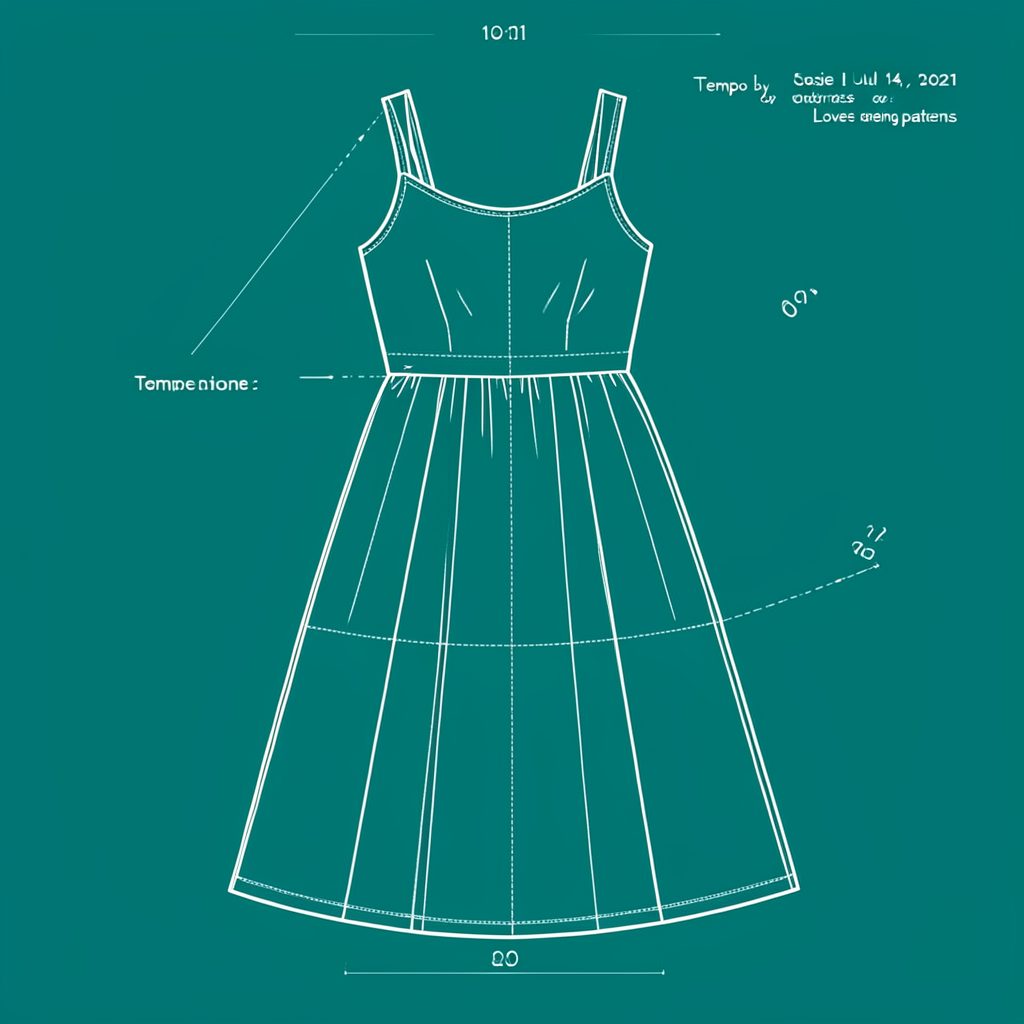
the invisible machine blind hem on delicate fabrics
There's a particular satisfaction in turning up a hem on a floaty summer dress and seeing no visible stitching from the right side. Achieving that clean finish on lightweight cloth is often where home sewists stall, switching to hand stitching out of frustration. A machine blind hem, when set up thoughtfully, can deliver near-invisible results on lawn, voile, and even silk georgette, and it takes only a handful of minutes once the technique clicks into place.
Lightweight fabrics behave quite differently from quilting cotton or denim. They shift under the presser foot, they show every pulled thread, and they can pucker if the tension is even slightly off. That is why the blind hem stitch is such a useful skill to add to your repertoire. The pattern catches only a tiny sliver of the outer fabric, leaving the right side looking hand-finished while the construction stays sturdy enough for regular wear and laundering.
For those of us in the southern hemisphere, the timing feels right. November through February brings weddings, garden parties, and humid days that call for breathable layers. In Brisbane, Melbourne, and Sydney alike, sewists are cutting into linen lawn and cotton voile for family gatherings, and a reliable invisible hem turns a homemade garment into something that genuinely holds its own against high street alternatives. If you have ever hesitated at the final step of a dress or blouse because of the hem, this approach is worth practising.
Below you'll find a practical walk-through covering tools, fabric preparation, the actual stitching sequence, and fixes for the small disasters that crop up along the way. Whether you are finishing a Liberty cotton blouse or a silk cami, the principles translate well across most drapey cloth.
Setting up your machine for an invisible hem
Most modern sewing machines, including the workhorses found in sewing classes across Adelaide and Perth, have a built-in blind hem stitch. It is usually a zigzag-based pattern with a long straight segment and one short lateral bite to the left. Pair that stitch with a blind hem foot, which has a guide plate that runs along the folded edge of the fabric, and the mechanics take care of themselves.
Before threading up, change to a fresh, fine needle. A size 60/8 or 70/10 microtex or sharp needle slips between the weave of lawn and silk without snagging, which a universal needle can struggle with. Thread choice matters too. A good quality polyester or cotton-wrapped poly in a matching shade keeps the hem discreet, and for very sheer fabrics a finer 50-weight thread reduces the visible bulk at the bite point. Wind a fresh bobbin while you are at it; old thread can cause looping underneath the stitch.
Adjust the stitch width so the lateral swing of the needle just catches one or two threads of the folded edge. If the swing is too wide, you will sew through to the right side; too narrow, and the hem will pull loose after a wash or two. Test on a scrap of the same fabric, folded as you intend to stitch, before moving to the garment. It is a small step that saves unpicking later.
Preparing lightweight fabrics for hemming
Pre-washing is non-negotiable for lightweight cloth, particularly natural fibres like cotton lawn, linen, and silk. These fabrics relax and shift in the first wash, and skipping this step means a hem that ripples after the first cycle. Wash in the same manner you plan to launder the finished garment, then press while still slightly damp to settle the grain and remove any lingering shrinkage.
When pressing the hem allowance, use a pressing cloth to prevent shine on darker fabrics and water spots on silk. A steam iron set to the appropriate temperature for the fibre will press a crisp fold, and that crispness is what makes the blind hem foot glide smoothly along the edge. If the fabric is slippery, starch or a light spray of fabric stabiliser along the fold line adds grip and helps prevent the foot from skating. For fabrics like georgette or rayon challis, a strip of wash-away stabiliser along the raw edge can also stop fraying as you stitch.
Trim the hem allowance to a consistent width, typically around 4 to 5 cm for a knee-length skirt or dress, then turn up 1 cm to 1.5 cm of the raw edge to enclose it. Fold the hem up again to the finished length and pin at right angles to the fold. Pins placed horizontally give the foot clearer space to travel along the edge without catching on the pins as you sew.
Stitching the blind hem in sequence
Start stitching with the folded edge running against the guide on the blind hem foot. The needle should swing just off the edge of the fold, catching the tiniest sliver of fabric on each cycle. Let the feed dogs do the work; pulling the fabric through or guiding it too aggressively will distort the fold and leave you with an uneven finish.
Sew slowly at first, removing pins as you go rather than stitching over them. On a length of 2 metres, expect to take around 10 to 15 minutes. If your machine has a speed control slider, drop it down while you get used to the rhythm of the stitch. The long straight stitches will travel along the inside of the hem, while the short lateral stitches will anchor into the fold.
When you reach a corner or a curved hem, stop with the needle in the fabric, raise the foot, and pivot slightly to keep the fold aligned with the guide. For very curved areas like a hem on a circular skirt, consider clipping the folded edge every few centimetres so it sits flat without pulling. Once the hem is complete, press it from the wrong side with a cloth, then steam lightly from the right side without pressing directly onto the stitching.
Fixing common blind hem frustrations
Puckering along the stitch line usually points to too much tension in the upper thread or a needle that is too thick for the cloth. Loosen the top tension by half a number and retry on a scrap. If puckering persists, switch to a finer thread or a microtex needle. Sewing too fast is another culprit, as the feed dogs struggle to advance delicate fabric evenly under pressure.
If the lateral stitches are showing on the right side, the fold has shifted away from the guide, or the stitch width is set too wide. Re-fold the hem so the edge sits flush against the guide plate, and reduce the width until only the tip of the needle catches the fold. A magnifier on the machine can help you see exactly where the needle is entering the fabric.
Skipped stitches often mean a worn or inappropriate needle. Replace it, and check that the bobbin is seated correctly with the thread feeding in the right direction. Loose hems that gap after washing suggest the bite was too shallow. In that case, increase the stitch width slightly, or lengthen the stitch so the anchoring swings cover more of the fold. For more on choosing fabrics that behave well with these techniques, the performance knits guide covers a different but related set of construction considerations.
Adjusting the technique for different fibres
Cotton lawn and voile are forgiving and respond well to a medium stitch length with a standard blind hem setting. Silk georgette and chiffon benefit from a slightly shorter stitch and a finer needle, as well as a layer of tissue paper beneath the seam to keep the feed dogs from marking the surface. Linen lawn, popular for summer dresses across Australian climate zones, has a bit more body and holds a pressed fold beautifully, so a slightly wider stitch width works well here.
For very sheer fabrics where even a small bite might show, consider a hand-rolled hem instead, but for most dress-weight cloths the blind hem holds up beautifully. Rayon and viscose challis can stretch out of shape under the foot, so handle them gently and avoid stretching the fold as you pin. If you are working with a printed fabric, align the print at the hemline before folding so the pattern continues seamlessly across the join.
Test any new combination of needle, thread, and fabric on a scrap before committing to the garment. A small swatch folded twice and stitched with your intended settings will reveal tension problems, puckering, or skipped bites before they appear on a wearable piece.
Caring for your finished hem
A blind hem stitched with polyester thread will withstand normal machine washing on a gentle cycle, though hand washing extends the life of delicate fabrics. Turn the garment inside out before laundering to protect the right side from abrasion, and avoid wringing, which can distort the fold. A mesh laundry bag adds another layer of safety for silk or georgette pieces stored in the cupboard between wears.
If you need to press the hem after washing, do so with a pressing cloth and moderate steam. Avoid pressing directly on the stitching, especially on silk, as the heat can flatten the thread and make it visible. Store garments folded rather than hung where possible, particularly knit and stretch cloths, to prevent the hem from growing under its own weight.
For questions about specific fabrics or projects, the contact page is the easiest way to get in touch with pattern and construction advice tailored to your make.
Quick reference for lightweight fabric blind hems
| Fabric type | Needle size | Thread weight | Stitch length | Special notes |
|---|---|---|---|---|
| Cotton lawn | 70/10 microtex | 50 or 60 wt poly | 2.0–2.5 mm | Stable, forgiving; standard blind hem setting |
| Voile | 70/10 microtex | 60 wt cotton | 2.0 mm | Use pressing cloth; avoid pulling fabric |
| Silk georgette | 60/8 microtex | 50 wt silk-finish poly | 1.5–2.0 mm | Tissue paper beneath; short stitch length |
| Linen lawn | 80/12 microtex | 50 wt poly | 2.5 mm | Press firmly; wider bite acceptable |
| Rayon challis | 70/10 microtex | 50 wt poly | 2.0 mm | Handle gently; pre-wash to pre-shrink |
| Cotton silk blend | 70/10 microtex | 50 wt poly | 2.0 mm | Test on scrap; lower tension slightly |
Popular Pattern Reviews
| Pattern | Designer | Type | Highlight |
|---|---|---|---|
| Compose Robe (Kids) | Love Notions | Robe / Loungewear | Sizes 2T–16, cosy & practical |
| Tempo Sundress | Love Notions | Sundress | No closures, shirred back panel |
| Arlington Sweater | Love Notions | Sweater | Cold-weather staple |
| Sybil Illusion Skirt | Love Notions | Skirt (knit) | 7 variations, optional pockets |
| Camden Pinafore | Nina Lee Patterns | Pinafore dress | Year-round layering piece |
| Ogden Cami (dress hack) | True Bias | Cami / Dress | Versatile wardrobe builder |
| Burda 6829 | Burda | Dress | Multi-sized, special-occasion |
Stay in Touch
Subscribe to the newsletter for sewing inspiration, pattern tips, and project ideas delivered straight to your inbox.