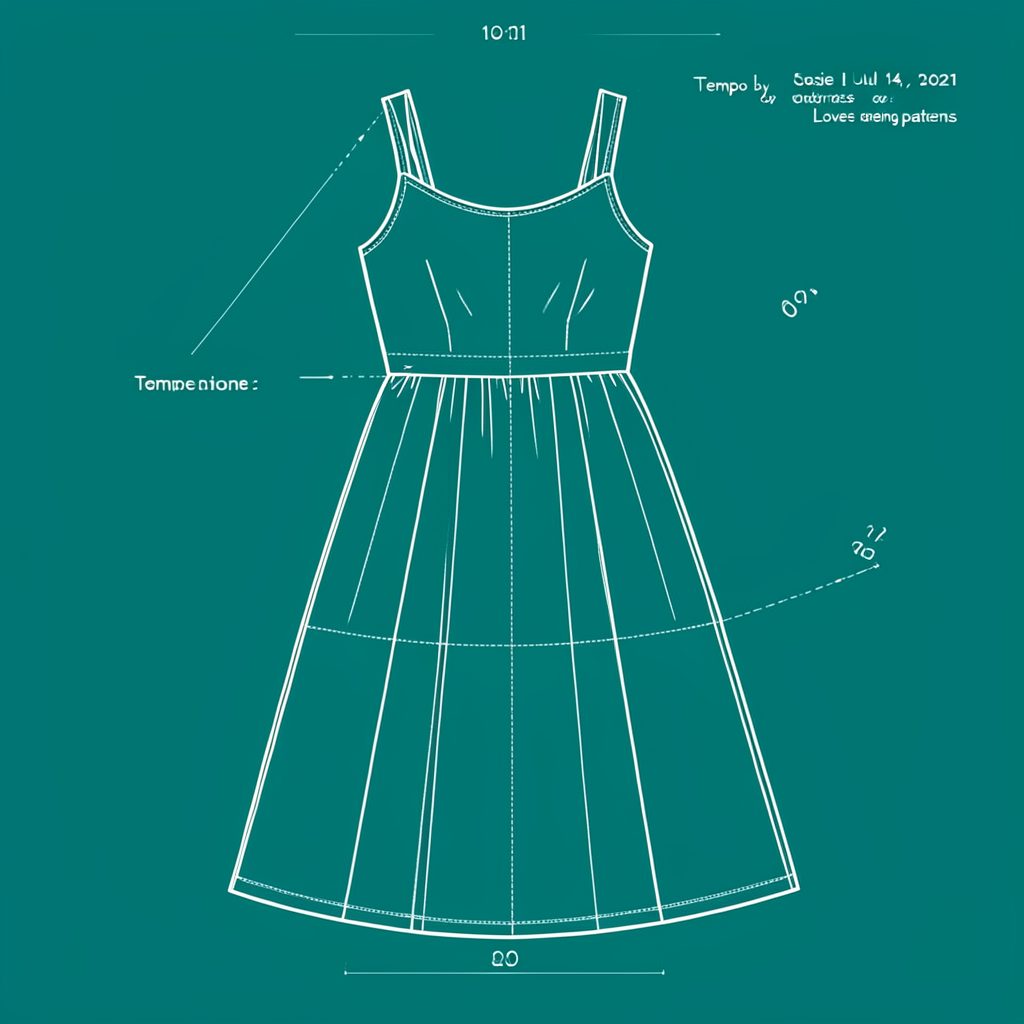
Sewing with corduroy: nap direction and cutting tips
Corduroy brings texture, warmth and a satisfying row of raised wales to handmade clothing. It can become a soft shirt, a structured pinafore, wide-leg trousers or a child’s jacket, but it needs more planning than a plain woven fabric. The direction of the pile affects colour, touch, cutting layout and the way the finished garment catches the light.
For Australian sewists, corduroy is especially useful for cooler months in Melbourne, Hobart and Canberra, while a lightweight version can work during winter evenings in Sydney, Adelaide or Perth. Understanding nap direction before the scissors reach the fabric prevents one of the most disappointing mistakes: sewing pieces together that appear to be different colours.
Choose the right corduroy for the garment
Corduroy is identified by its wale, the raised rib running along the length of the cloth. Fine pinwale corduroy has narrow ribs and a fluid drape, making it suitable for blouses, skirts and softer dresses. Wide-wale corduroy has a stronger graphic texture and more body, which works well for trousers, overshirts, jackets and bags.
Check the fabric content as well as the wale count. Cotton corduroy is breathable and hard-wearing, while a small amount of elastane can make fitted trousers or a close skirt much more comfortable. Stretch corduroy usually stretches across the wales, so place the pattern’s greatest fitting demand in that direction and check the amount of recovery before cutting.
The fabric’s weight should match the pattern. A delicate dress pattern may become bulky at seams when made in heavy corduroy, especially around collars, cuffs and waistbands. If you are considering another trouser-friendly cloth, this Tencel twill guide offers a useful comparison in terms of drape, handle and everyday wear.
Find the nap before cutting
Nap describes the direction in which the pile lies. Run your hand down the fabric in both directions and notice that one feels smoother while the other feels slightly rougher. The smooth direction is usually the direction in which the pile reflects light differently, often appearing darker or richer.
For most garments, place every pattern piece with the nap running downwards from shoulder to hem. This is called “with nap” and gives the garment a consistent appearance. If the fabric feels smoother when your hand moves from top to bottom, that is generally the direction to use. There are exceptions for design purposes, but mixing directions accidentally can make sleeves, fronts and side panels look mismatched.
Do not rely on the selvedge alone. Some corduroy has a subtle nap that is difficult to see on the cutting table, particularly in black, navy or dark brown. Mark an arrow on the wrong side of the fabric as soon as you identify the direction. Add the same arrow to each paper pattern piece so the layout remains clear after the fabric is folded.
Prepare the cloth before layout
Pre-wash corduroy in the way you expect to launder the finished item. Cotton may shrink, and the pile can change slightly after washing. A cool or warm wash followed by line drying is often gentler than a hot tumble cycle. Australian households commonly rely on outdoor clotheslines, but strong summer sun can fade dark colours, so dry corduroy inside out or in shade where possible.
Press the fabric before cutting, using the recommended temperature and plenty of care. Never flatten the pile directly with a hot iron. Place the corduroy pile-side down on a thick towel, or use a needle board if you have one, so the ribs are supported rather than crushed. Steam can help remove creases, but test it on a leftover piece first.
Lay the fabric flat and allow it to rest after washing. Corduroy can develop slight distortion if it is pulled while damp or folded tightly. Inspect the surface for thin patches, shading changes and flaws before placing any pattern pieces. Mark imperfections on the wrong side with removable chalk and keep them away from prominent areas such as trouser fronts and bodices.
Plan the layout with precision
Corduroy nap usually requires a one-way layout, even when the pattern instructions show pieces facing in alternate directions to save fabric. All pieces should point the same way, including pockets, belt loops, cuffs, yokes and facings. This means you may need more fabric than the pattern envelope recommends for a conventional woven fabric.
Fold the fabric with the right sides together only if the pile behaves evenly and the layers remain stable. For a slippery or strongly textured cloth, cutting in a single layer is safer. Trace the pattern piece, flip it when required, and label each cut shape clearly. Pay close attention to mirrored pieces: a left and right sleeve must be cut correctly, not simply duplicated.
- Check the nap direction with your hand and under bright light.
- Mark a long grainline arrow on every pattern piece.
- Use a single-layer layout for thick or unstable corduroy.
- Keep all major pieces pointing in the same direction.
- Match stripes or prominent wales across adjoining seams.
- Add extra fabric before shopping if the layout must be one-way.
Pattern alterations should be completed before cutting. If a dress or top is too long, use a proper lengthen-or-shorten line rather than removing fabric from the hem alone. This shortening pattern guide is helpful when adjusting a long bodice, sleeve or skirt while keeping the grainline and shaping accurate.
Sew the pile without flattening it
Corduroy can creep under the presser foot because the pile grips against itself. A walking foot may help with thick fabric, while a new sharp universal or denim needle gives cleaner penetration. Test the thread, stitch length and seam allowance on scraps that include the same number of layers as the garment.
Use a slightly longer stitch on heavier corduroy, but avoid making the stitch so long that seams become weak. Hand-baste slippery sections such as collars, waistbands and pocket openings. Grade bulky seam allowances, trim corners carefully and consider reducing interfacing in areas that already have plenty of structure.
Press seams from the wrong side whenever possible. A strip of scrap corduroy placed pile-to-pile can support the texture while you press, preventing a shiny flattened mark on the outside. If a seam must be pressed from the right side, use a pressing cloth and lift the iron rather than sliding it across the wales.
Topstitching deserves particular attention because corduroy’s ribs can make a straight line appear uneven. Follow a wale as a visual guide or use an edge stitch foot. On wide-wale fabric, bold topstitching can look intentional; on fine-wale fabric, a quieter thread and narrower seam detail may produce a cleaner finish.
Finish and wear corduroy thoughtfully
Corduroy softens with use, but high-friction areas can become shiny or worn. Seat panels, elbows and pocket edges deserve strong construction and sensible reinforcement. If you are making trousers, consider a smooth pocketing fabric to reduce bulk and make the garment easier to pull on.
For Australian wardrobes, corduroy is often a seasonal piece rather than an everyday year-round fabric. A lightweight pinwale skirt may suit cool mornings in Brisbane, while a heavy pair of trousers can be ideal for a crisp winter in Canberra. Store finished garments loosely rather than compressed under heavy knits, and brush the pile gently if it becomes dusty.
If you sell or gift garments commercially in Australia, provide clear fibre and care information and check the requirements that apply under the Australian Consumer Law and mandatory care-labelling rules. Accurate instructions help the wearer avoid heat damage, colour loss and crushed pile. Whether the garment is bought from a local independent shop, Spotlight, a regional market stall or an online fabric retailer, recording the fibre content and washing method at the time of purchase makes future care much easier.
With the nap marked, the layout planned and the pile protected during pressing, corduroy becomes predictable rather than troublesome. Its texture can then do what it does best: add depth, warmth and character to a carefully made garment.
Popular Pattern Reviews
| Pattern | Designer | Type | Highlight |
|---|---|---|---|
| Compose Robe (Kids) | Love Notions | Robe / Loungewear | Sizes 2T–16, cosy & practical |
| Tempo Sundress | Love Notions | Sundress | No closures, shirred back panel |
| Arlington Sweater | Love Notions | Sweater | Cold-weather staple |
| Sybil Illusion Skirt | Love Notions | Skirt (knit) | 7 variations, optional pockets |
| Camden Pinafore | Nina Lee Patterns | Pinafore dress | Year-round layering piece |
| Ogden Cami (dress hack) | True Bias | Cami / Dress | Versatile wardrobe builder |
| Burda 6829 | Burda | Dress | Multi-sized, special-occasion |
Stay in Touch
Subscribe to the newsletter for sewing inspiration, pattern tips, and project ideas delivered straight to your inbox.