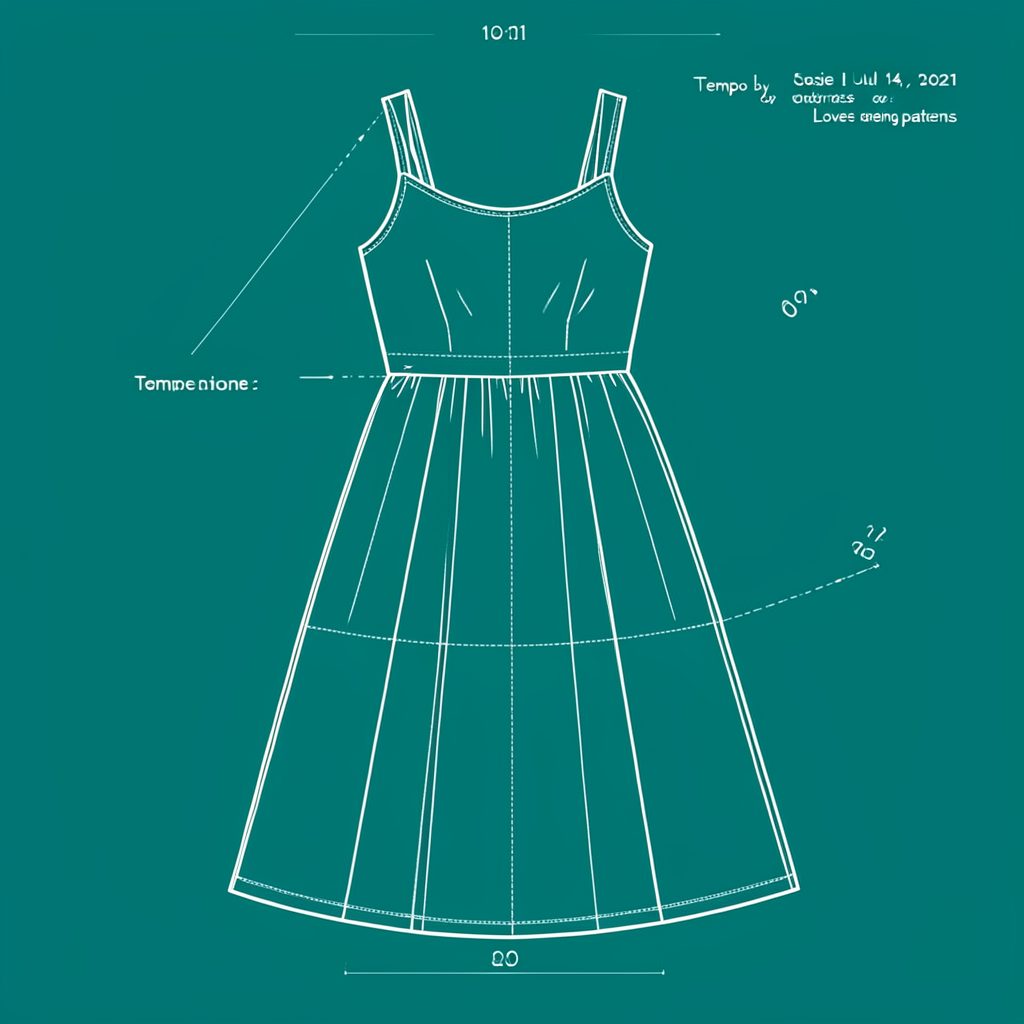
Sewing With Double Gauze For Soft, Comfortable Garments
Double gauze is loved for its airy feel, gentle drape and slightly rumpled texture. Made from two fine layers of cotton joined at small intervals, it feels light against the skin while offering more substance than a single voile or lawn. That combination makes it especially appealing for relaxed dresses, tops, pyjamas, baby clothes and warm-weather layers.
The fabric can look simple on the cutting table, yet it has a few behaviours that reward thoughtful handling. It may shift while cutting, stretch at the edges and grow a little with washing. Seams can also look untidy if the layers separate during construction, so a calm, considered approach produces much better results.
For Australian sewists, double gauze is useful across a wide range of climates. It suits humid Brisbane summers, breezy coastal days around Sydney and Adelaide, and lightweight layering through changeable Melbourne weather. With the right pattern and a few practical adjustments, it can become one of the most comfortable fabrics in a handmade wardrobe.
Choosing Double Gauze For The Project
Start by considering the finished shape rather than choosing fabric by colour alone. Double gauze works beautifully with loose blouses, gathered skirts, elastic-waisted trousers, tiered dresses and uncomplicated robes. Its softness is less suited to sharply tailored jackets, precise collars or garments that rely on crisp structure.
The fabric’s drape varies between suppliers. Some versions are lofty and almost quilt-like, while others are flatter, finer and more fluid. Hold a length vertically and observe how it falls. Scrunch it in your hand to check whether it springs back, collapses softly or develops a pronounced crinkle. These details will affect the silhouette and the amount of ease you need.
Print scale matters too. Because the surface has texture, tiny intricate motifs may appear less defined than they do on smooth cotton. Stripes and checks can be charming, although matching them becomes more difficult when the cloth shifts. A plain or softly printed double gauze is often the most forgiving choice for a first garment.
Prewash the fabric before cutting, using the same method you expect to use later. Cotton double gauze can shrink, and tumble drying may increase its crinkled appearance. In Australia, where line drying is common and strong sunshine can fade dark colours, test a small offcut first and decide whether a shaded line dry or low-temperature dryer gives the finish you want.
Preparing The Fabric And Pattern
Do not stretch the fabric while ironing or laying it out. Use a gentle pressing motion and let the cloth cool flat. A light mist of water can relax creases, but avoid pressing hard enough to flatten the characteristic loft. If the fabric has become skewed after washing, ease it back into a near-rectangular shape before cutting.
A large cutting surface helps enormously. Rather than lifting and repositioning the fabric repeatedly, smooth it from the centre towards the edges. Pattern weights are often more reliable than pins, especially on a dining table or compact sewing desk. If you use scissors, keep the lower blade close to the surface; a rotary cutter can be useful when the mat is large enough to support the whole pattern piece.
Choose a pattern with moderate ease and simple seam lines. Very full gathers can create bulk at waistbands and yokes, while multiple inset seams may be difficult to keep aligned. If you are considering a floaty dress, this Veronika midi dress review offers useful inspiration for thinking about fabric movement, proportion and wearability before cutting into your cloth.
Mark notches clearly, but keep chalk and removable pens on a scrap first. Some double gauze surfaces show marks more readily than expected. Transfer essential markings with small thread tacks or tiny snips within the seam allowance, rather than making large cuts that could weaken the delicate layers.
Needles, Seams And Stabilising Details
A fresh universal needle in size 70/10 or 80/12 is a good starting point. Very fine double gauze may prefer a smaller needle, while a denser version can handle a standard 80/12. Use quality thread and replace the needle if you hear popping, see skipped stitches or notice pulled threads around the seam line.
A stitch length around 2.5 to 3 mm usually works well. Test on two layers with the same seam allowance as the garment. If the fabric puckers, reduce the thread tension slightly, lengthen the stitch or place tissue paper beneath the seam while sewing. Tear-away stabilisers can be useful, but tissue is often easier to remove from a soft, open weave.
French seams are excellent for lightweight double gauze because they enclose the raw edges and create a neat interior. They are especially useful on side seams, shoulder seams and children's garments. For curved seams or areas that would become bulky, finish with a narrow zigzag, overlocker or pinking shears, then press the seam allowance carefully.
Stabilise areas that carry strain without making them rigid. A narrow strip of lightweight interfacing can support a button placket, neckline or pocket opening. Stay-stitch curved necklines soon after cutting, and consider clear elastic or a fine strip of cotton tape in shoulder seams. These small measures help prevent stretching during construction and everyday wear.
Sewing Habits That Keep The Fabric Soft
Work in short sections and check the fabric frequently. Double gauze can creep under the presser foot, particularly when sewing a long hem or attaching a gathered panel. Supporting the fabric on the table reduces drag. Let the machine feed the cloth naturally instead of pulling from behind.
Press after each major step, but use a low to medium temperature suited to cotton and a pressing cloth for dark or printed fabric. Pressing seam allowances in one direction may create a ridge, so open seams where the pattern allows and use a tailor’s ham for curved areas. Avoid overworking the cloth, as repeated heat and pressure can flatten the texture.
- Keep a fresh needle in the machine.
- Test every stitch and finish on scraps.
- Use clips or fine pins within the seam allowance.
- Handle cut pieces as little as possible.
A rolled hem can give a lovely light finish to a floaty top or gathered skirt. A narrow double-fold hem is more stable for everyday dresses and trousers. If the edge stretches, stay-stitch it first or apply a strip of lightweight fusible interfacing inside the hem allowance. For Australian summer clothing, breathable finishes are preferable to heavy facings that trap warmth.
Before adding closures, try the garment on with the intended underlayer. Double gauze is often semi-sheer in pale colours, especially in bright sunlight. A camisole, slip or lined bodice may be needed, while darker shades can provide more coverage. If you enjoy practical sewing notes and fabric ideas, you can receive occasional email updates without relying on social media feeds.
Caring For Finished Garments
Wash the completed garment before judging the final fit. Cotton can relax, shrink or become more textured after laundering, and the finished result may look different from the smooth fabric you handled during construction. Follow the fabric supplier’s advice, but a cool or warm gentle cycle is generally kinder than a hot wash.
Avoid overcrowding the machine. Friction can encourage pilling, especially on softer double gauze, while strong detergents may dull saturated colours. A shaded clothesline is practical in much of Australia, though intense Queensland or Western Australian sun can fade fabric over time. Turn garments inside out and bring them in as soon as they are dry.
Care labels are not generally compulsory for clothing sold in Australia, but any care information supplied should be accurate and clear. For home sewing, a small label stating fibre content and washing advice is still valuable, particularly when a garment is gifted or shared. It also helps you remember whether a particular piece was prewashed or tumble dried.
| Project Type | Why Double Gauze Works | Helpful Adjustment |
|---|---|---|
| Relaxed blouse | Soft drape and breathable comfort | Use French seams and stabilise the neckline |
| Gathered dress | Light fabric supports gentle fullness | Reduce excessive gathering at waist seams |
| Elastic-waisted trousers | Comfortable against the skin | Choose a denser gauze and reinforce pocket openings |
| Pyjamas | Airy, washable and soft | Prewash carefully and use a smooth seam finish |
| Baby or toddler clothing | Lightweight with little bulk | Secure seams well and avoid loose trims |
Double gauze rewards garments that move with the body rather than constrain it. Give the fabric room to show its drape, support the points that receive strain and accept a little natural texture in the finished piece. The result is a garment that feels relaxed from the first wear and becomes even more personal with regular use.
Popular Pattern Reviews
| Pattern | Designer | Type | Highlight |
|---|---|---|---|
| Compose Robe (Kids) | Love Notions | Robe / Loungewear | Sizes 2T–16, cosy & practical |
| Tempo Sundress | Love Notions | Sundress | No closures, shirred back panel |
| Arlington Sweater | Love Notions | Sweater | Cold-weather staple |
| Sybil Illusion Skirt | Love Notions | Skirt (knit) | 7 variations, optional pockets |
| Camden Pinafore | Nina Lee Patterns | Pinafore dress | Year-round layering piece |
| Ogden Cami (dress hack) | True Bias | Cami / Dress | Versatile wardrobe builder |
| Burda 6829 | Burda | Dress | Multi-sized, special-occasion |
Stay in Touch
Subscribe to the newsletter for sewing inspiration, pattern tips, and project ideas delivered straight to your inbox.