Sewing with stretch lace for delicate, beautiful edges
Stretch lace brings softness, movement and a touch of luxury to handmade clothing. It can transform a simple camisole, bralette, sleeve or neckline, yet its open structure and springy fibres require a gentler approach than ordinary jersey. The most successful results come from treating the lace as both fabric and feature: its decorative border deserves careful planning, while its stretch needs support through every stage of construction.
For a personal sewing blog such as Josephine’s sewing story, this is the kind of technique that rewards patience rather than expensive equipment. Whether you are sewing in a cool Melbourne winter or working in humid Brisbane conditions, a few considered adjustments will help you create tidy seams, smooth curves and edges that retain their shape.
Choose the right lace for the garment
Stretch lace varies considerably. Some fabrics contain elastane and recover strongly after being pulled, while others have only a little crosswise give. A firm lace may suit fitted knickers or a supportive bralette, whereas a softer floral lace can work beautifully for an overlay, camisole or loose sleeve. Check both the amount of stretch and the direction in which it runs before buying enough for your pattern.
Hold a cut piece against your body and gently stretch it across the intended area. It should return to its original width rather than staying distorted. For Australian sewists, fabric shops such as Spotlight and Lincraft may stock lace by the metre, but the quality can differ between rolls. Online indie fabric retailers often provide clearer stretch percentages and close-up photographs, which are especially useful when you cannot handle the fabric first.
Pay attention to the finished edge. A scalloped or eyelash border can become a hem, sleeve opening or neckline without being folded under. If the lace has a strong decorative edge, choose a pattern with simple shaping so the border remains visible. A straight-cut bralette cup, camisole hem or elastic-waisted brief usually makes a better first project than a heavily contoured garment.
Prepare the fabric before cutting
Stretch lace can shift while it is being cut, particularly when the holes in its motif are large. Lay it flat on a large table and smooth it without pulling. A cutting mat and rotary cutter can help, although sharp dressmaking shears are perfectly suitable when the fabric is supported well. Pattern weights are often kinder than pins because they prevent snagging and do not distort the lace.
Before cutting the actual pieces, test a small scrap. Sew a seam, stretch it firmly and inspect whether the stitches pop, the lace tunnels or the seam waves. Try a narrow zigzag, a stretch stitch and an overlocker sample if you have one. A ballpoint or stretch needle, fine polyester thread and slightly reduced presser-foot pressure can make a marked difference.
Keep the lace’s motifs aligned where they will be noticed. If you are cutting a front bodice, matching a large flower at the centre can make the garment look considered. Mark notches with tiny tailor’s tacks or removable fabric pen rather than cutting deep snips into a fragile edge. When the design includes a scalloped border, place pattern pieces so the scallops sit evenly along the hem or opening.
Stabilise seams without losing softness
The main challenge with stretch lace is balancing flexibility with support. Seams must move with the body, but they should not become loose, scratchy or misshapen. A narrow zigzag is a reliable choice on a standard machine. Set a short stitch length and modest width, then test on scraps until the seam stretches without snapping.
An overlocker can produce a neat, flexible finish, but avoid trimming away too much of the lace. The knife may cut through an open motif or remove the seam allowance needed for reinforcement. If the lace is extremely fine, sew the seam first with a narrow zigzag and overlock only after checking the fit.
Clear elastic can be stitched into shoulder seams, waistlines and necklines when the garment needs stability. Use it sparingly, as too much tension will gather the lace. For a delicate edge, a strip of soft tricot or power mesh can provide hidden support without making the finished piece feel rigid. Place stabiliser only where it is structurally necessary, keeping the rest of the garment light.
Handle decorative edges with care
A lace border is often the most beautiful part of the fabric, so avoid treating it like a standard seam allowance. If the pattern allows, cut directly along the lower edge and use the scallops as the finished hem. A transparent wash-away tape or a few hand-basted stitches can hold the border in place while you attach it to a lining or elastic.
When joining two lace pieces at an edge, match the motifs before considering the seam line. A hand-basted overlap may be easier to control than pins. Use a fine zigzag that catches both layers, then trim the excess close to the stitching with small, sharp scissors. For a particularly open lace, a tiny hand slip stitch can create a nearly invisible join.
Necklines and armholes need special attention because they receive repeated stretching during dressing. Fold-over elastic, picot elastic or plush lingerie elastic can finish these openings, depending on the garment. Sew the elastic to the wrong side first, using gentle tension, then turn it to the inside and stitch again. Keep the lace flat as you work rather than stretching the fabric and elastic together aggressively.
Use linings and layers strategically
Stretch lace does not always need a full lining. A partial lining can preserve its transparency while adding comfort across the bust, underarm or seat. Stretch mesh, lightweight jersey and power net are useful companions, but they should have compatible stretch and recovery. If the lining is firmer than the lace, the outer layer may ripple or pull.
For a sheer top, consider a separate camisole rather than permanently attaching a lining. This allows the lace to remain airy and gives you more styling options. In warm Australian weather, that can be practical: a loose lace overlay over a simple tank is cooler than a heavily layered garment, particularly during a Perth summer or a humid afternoon in Darwin.
The same principle applies to pattern choice. A stable lace may work with a fitted Love Notions design, while a softer fabric might need a looser silhouette or a lining with more structure. If you enjoy comparing fabric behaviour across projects, these double-gauze sewing tips offer useful reminders about choosing support and ease for soft fabrics, even though double gauze behaves differently from lace.
Press, fit and finish gently
Heat can flatten texture, melt synthetic fibres or stretch a lace edge permanently. Use a low temperature, press from the wrong side and place a pressing cloth between the iron and the fabric. In many cases, finger pressing is enough. Test the iron on a scrap before it approaches a scalloped border or embroidered motif.
Fit the garment before completing every edge. Lace can grow as it hangs, especially when it is cut on the bias or carries a heavy decorative border. Try it on with the same undergarments you expect to wear beneath it. Check that the neckline lies flat, the armholes do not gape and the elastic feels secure without digging in.
Hand finishing is worthwhile at stress points. Secure thread tails near the underarm, reinforce the ends of elastic and check that no sharp trimmed fibres remain against the skin. A small bar tack can strengthen a strap join, while a narrow strip of seam tape inside a shoulder seam helps prevent gradual stretching.
Care for handmade stretch lace
Care begins with washing. Use a lingerie bag, cool water and a mild detergent, then press the water out rather than twisting the garment. Hand washing is gentlest, but a delicate machine cycle can work when the lace is well supported and the garment is kept away from hooks, zippers and rough towels.
Avoid the tumble dryer, even if the fabric label suggests it is acceptable. Heat can damage elastane and reduce recovery over time. Lay the garment flat on a towel or dry it on a padded hanger, out of direct Australian sunlight. Strong sun is useful for many household tasks, but it can fade dyed lace and weaken delicate fibres.
Store lace garments without crushing the decorative edges. Fold them loosely in a drawer, or hang structured pieces on a padded hanger. With thoughtful fabric selection, restrained stabilising and careful edge treatment, stretch lace becomes far less intimidating. The result is a garment that feels comfortable, moves naturally and allows its intricate border to remain the centre of attention.
Fresh sewing notes and project ideas can arrive through the email updates, including practical inspiration for choosing fabrics and refining handmade garments.
Popular Pattern Reviews
| Pattern | Designer | Type | Highlight |
|---|---|---|---|
| Compose Robe (Kids) | Love Notions | Robe / Loungewear | Sizes 2T–16, cosy & practical |
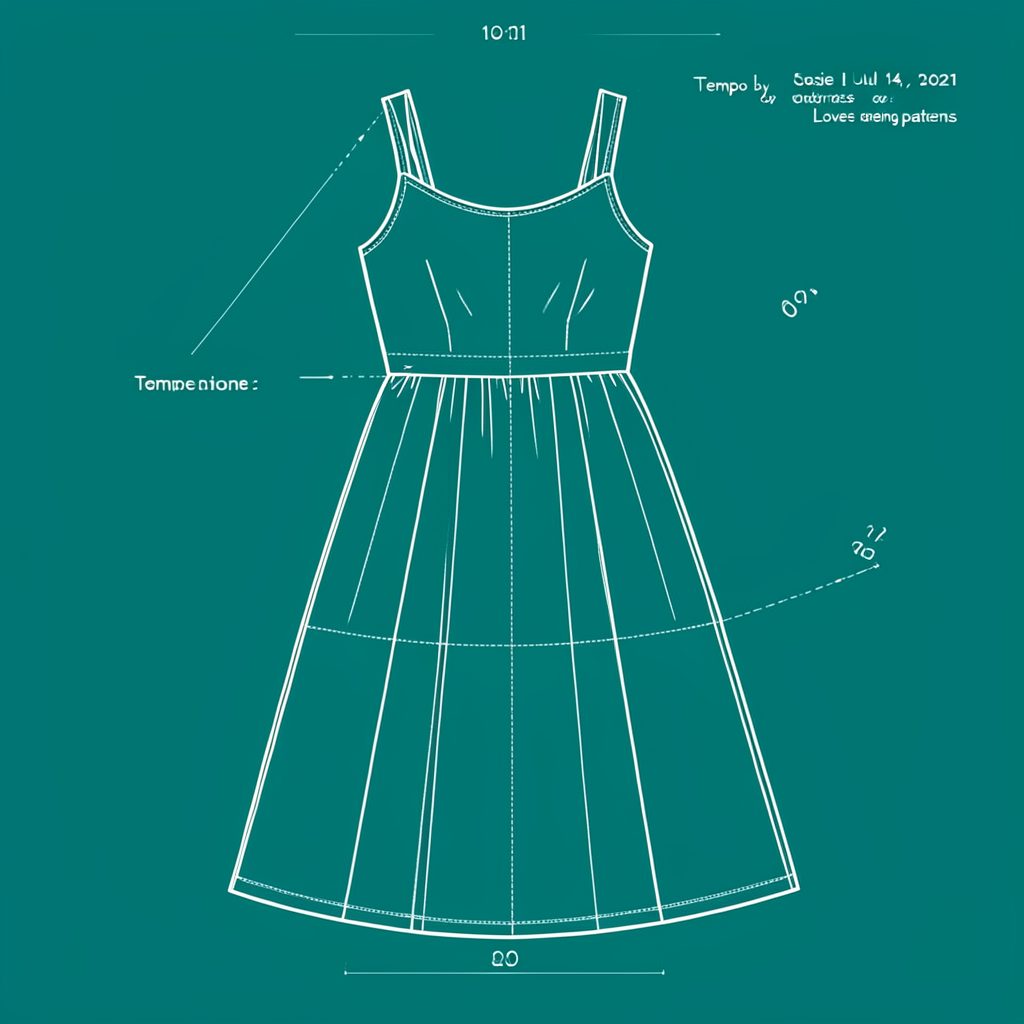
| Tempo Sundress | Love Notions | Sundress | No closures, shirred back panel |
| Arlington Sweater | Love Notions | Sweater | Cold-weather staple |
| Sybil Illusion Skirt | Love Notions | Skirt (knit) | 7 variations, optional pockets |
| Camden Pinafore | Nina Lee Patterns | Pinafore dress | Year-round layering piece |
| Ogden Cami (dress hack) | True Bias | Cami / Dress | Versatile wardrobe builder |
| Burda 6829 | Burda | Dress | Multi-sized, special-occasion |
Stay in Touch
Subscribe to the newsletter for sewing inspiration, pattern tips, and project ideas delivered straight to your inbox.