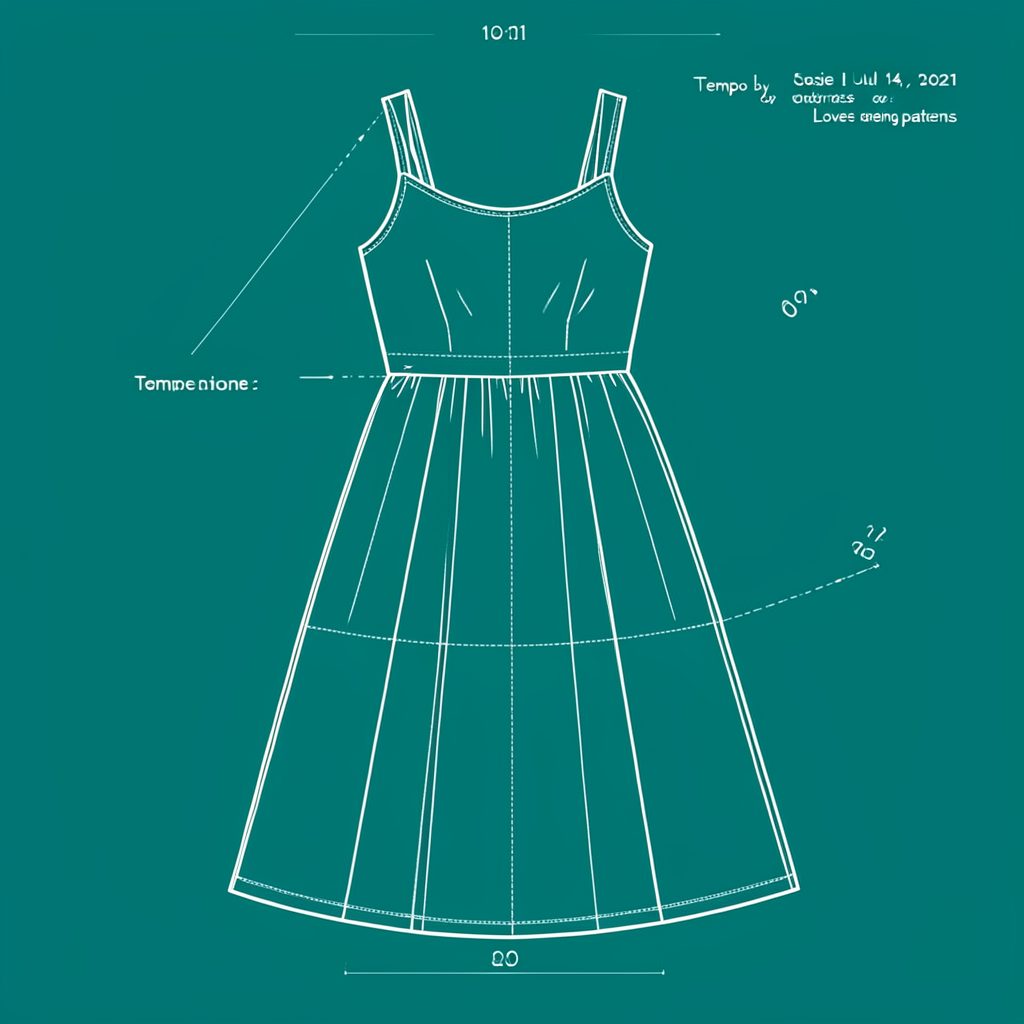
Sew your own reusable bowl covers for a waste-free Aussie kitchen
Few sewing projects deliver as much everyday usefulness per minute of stitching as a simple elastic-edged fabric cover. Slipped over a bowl of salad, fruit, or rising dough, the cover keeps contents fresh without the landfill guilt of cling film. For sewists who want to make a small, satisfying change in their home, this is one of the most rewarding little makes on the books.
In Australian households, where summer heat, persistent fruit flies, and a strong outdoor entertaining culture make food storage a daily consideration, handmade covers earn their keep very quickly. They are washable, breathable, and far prettier than anything from the supermarket aisle, and they make lovely gifts for friends who are trying to cut back on single-use plastics.
Why fabric bowl covers suit Australian kitchens
Anyone who has left a bowl of fruit on the bench in Brisbane or Perth during December knows the fruit fly situation can get out of hand within hours. A snug fabric cover creates a physical barrier that the little pests cannot penetrate, which is why many home cooks in subtropical regions swear by them. Unlike plastic wrap, breathable cotton lets ethylene gas escape, which actually helps fruit ripen more slowly and last a little longer on the counter.
Beyond the practical bug barrier, there is a sustainability angle that resonates with the active reduce-and-reuse culture in places like Melbourne and Adelaide. Councils across the country have rolled out soft plastics drop-off points, and many households are now actively looking for everyday swaps. Reusable covers last for years, cost almost nothing to make, and replace countless metres of cling film over their working life.
Choosing the right fabric and elastic
Lightweight woven cotton is the workhorse choice for most covers. A quilting cotton or a flat sheet picked up from an op shop cuts beautifully, presses crisp, and washes well. For wetter applications, like covering a bowl of marinated meat or steamed vegetables, a piece of PUL or food-safe laminated cotton offers a wipeable inner surface. Avoid heavy canvas or thick denim, which makes the cover too bulky to grip a bowl properly and harder to gather neatly.
Australian sewists are spoiled for choice when it comes to fabric sources. Spotlight and Lincraft carry a decent range of cotton prints, while independent stores like The Fabric Store in Melbourne and Sydney, Maaike Boutique in Brisbane, or Material Obsession in Rozelle offer curated cuts from designer deadstock. Elastic is straightforward, as a 6mm braided elastic with a width of about 5mm works beautifully and lasts through countless hot washes. If you want to branch out into other small handmade gifts once you have mastered the elastic casing, exploring the best indie patterns for sewing lingerie and bras opens up a whole new category of personal makes.
Measuring and cutting your circles
Bowl covers are forgiving, which makes them ideal for sewists building confidence. The simplest method is to trace around your bowl onto paper, then add a generous border for the elastic casing. For a snug fit on a 20cm bowl, cut a fabric circle around 25cm across. A 25cm bowl needs a 30cm circle, and a 30cm bowl needs a 35cm circle. A set of three sizes covers most kitchen needs without taking over the linen drawer.
Cutting clean circles is easier with a rotary cutter and mat than with scissors, especially when working through several layers. If you want a truly professional finish, fold the fabric into quarters and trim the curved edge slightly so the bias helps the cover sit smoothly over the bowl. Press the circles flat before moving to the machine, and the stitching will glide without puckers or stretched edges.
Sewing the elastic casing
The construction is wonderfully simple. With right sides together, stitch a narrow hem around the circle, leaving a 4cm gap for turning. Run a line of stitching about 1cm from the raw edge all the way around to form the elastic channel, again leaving a small opening. Cut a length of elastic roughly two-thirds the circumference of the circle, attach a safety pin, and thread it through the casing.
Pull the elastic through until the fabric gathers evenly, then overlap the ends by about 2cm and stitch them securely with a zigzag. Slide the gathers back into the casing so the join is hidden, then close both the casing and the hem opening with a final row of stitching. A medium-length straight stitch is fine, but a narrow zigzag adds a little give and holds up better in the wash. The whole process takes about fifteen minutes per cover once you have a rhythm going.
Sizing for different bowls and uses
A mixed set is far more useful than a stack of identical covers. Small circles, around 18cm finished, are perfect for mugs of sourdough starter or jars of homemade jam. Medium covers in the 22 to 28cm range handle cereal bowls, mixing bowls, and everyday fruit bowls. Large covers around 35cm suit big salad bowls, cake stands, and platters at a weekend barbecue. Sewing a few of each size gives you a flexible kit that handles almost any kitchen task.
Prewashed fabric matters more than people think. Australian tap water can be quite hard in cities like Adelaide, and untreated cotton can shrink noticeably after the first wash, leaving covers too tight to use. A quick run through the machine before cutting eliminates the problem and pre-softens the fabric, which gives the finished cover a lovely relaxed drape over the bowl.
| Cover size | Cut fabric circle | Best for |
|---|---|---|
| XS | 20 cm | Mugs, jam jars, sourdough starter |
| S | 25 cm | Cereal bowls, snacks |
| M | 30 cm | Mixing bowls, fruit |
| L | 35 cm | Salad bowls, cake stands |
| XL | 40 cm | Platters, picnic bowls |
Caring for your covers
Hot Australian summers demand a hygienic wash routine, and fabric covers are easy to keep clean. Toss them in with the regular laundry on a warm cycle, or pop them into a mesh bag for a hot wash if you have used them with raw meat. Hanging them on the line in the full sun takes advantage of UV, which naturally bleaches stains and kills bacteria, a benefit the climate hands you for free.
Elastic eventually loses its snap, usually after a year or two of heavy use. Replacing it is straightforward, simply unpick the casing seam, pull out the old elastic, and thread in a fresh length. This is one of the quiet joys of sewing your own household items rather than buying them, as nothing is landfill-bound when a component wears out. If you have leftover fabric scraps from cutting circles, they can be repurposed into a drawstring backpack from home decor fabric for carrying market produce on your next trip to the farmers market.
Beyond the kitchen
The same elastic-edged circle has uses well beyond food storage. Bread bakers use them to proof dough, as the fabric holds warmth while letting the dough breathe. A large cover over a bowl of salad travels beautifully to a picnic in the park, doubling as a protective layer for the car ride home. Smaller sizes make thoughtful reusable gift wrapping for homemade treats, and a stack tied with ribbon is a welcome present for housewarmings or end-of-year teacher gifts.
For sewists who enjoy turning small fabric remnants into charming little gifts, browsing small bottle craft projects can spark ideas for pairing fabric covers with homemade infused oils or syrups. As always, the privacy policy outlines how any shared photos or comments are handled across the site, so feel free to post your finished stacks to the community without a second thought.
Popular Pattern Reviews
| Pattern | Designer | Type | Highlight |
|---|---|---|---|
| Compose Robe (Kids) | Love Notions | Robe / Loungewear | Sizes 2T–16, cosy & practical |
| Tempo Sundress | Love Notions | Sundress | No closures, shirred back panel |
| Arlington Sweater | Love Notions | Sweater | Cold-weather staple |
| Sybil Illusion Skirt | Love Notions | Skirt (knit) | 7 variations, optional pockets |
| Camden Pinafore | Nina Lee Patterns | Pinafore dress | Year-round layering piece |
| Ogden Cami (dress hack) | True Bias | Cami / Dress | Versatile wardrobe builder |
| Burda 6829 | Burda | Dress | Multi-sized, special-occasion |
Stay in Touch
Subscribe to the newsletter for sewing inspiration, pattern tips, and project ideas delivered straight to your inbox.