Herringbone wool for coats and vests
Herringbone wool brings a tailored look without the stiffness associated with many heavy coatings. Its staggered chevrons create movement, while wool’s loft traps air for warmth. That balance makes the fabric useful for coats, short jackets and structured vests: pieces can look sharp through the body, yet remain comfortable over a jumper or a lightweight blazer.
The name describes a weave rather than one fibre or colour. A true woven herringbone has alternating bands that change direction across the cloth, giving it depth from every angle. A printed imitation can be useful for a practice garment, yet it will not press, cut or wear like a substantial tailoring cloth. This distinction matters before choosing notions, interfacing and a construction method.
Why the chevron weave works
A herringbone twill is visually active, so simple coat details become important. Set welt pockets at a restrained width, echo the chevron at a yoke or cuff, or use plain facings to calm the surface. The broken zigzag keeps the eye moving, making consistent grain and careful matching at openings essential for a polished result.
I use Love Notitions as one reference point when judging whether a pattern suits this fabric. My Josie’s sewing library gathers project guidance and pattern considerations in an approachable format, while pieces from other independent designers provide useful comparisons. A softly tailored Love Notions layer may need less structure than a classic double-breasted coat.
Australian wardrobes make this adaptability valuable. Melbourne’s changeable days can move from bright sun to drizzle before lunch, so a lined coat often works best over removable layers. Sydney’s coastal wind favours a secure front fastening, covered neckline or workable hood; a pretty but flappy collar will be tested quickly.
Matching cloth to pattern
A coat generally needs more body, reinforcement and seam control than a vest. It may require interlining, sturdier pocket bags or stronger shoulder construction. Choose a heavier coating for structured outerwear, or select a pattern drafted for an unlined vest if the wool is light and fluid. Deep armholes, patch pockets and gathered shaping can make a crisp cloth feel bulky, while a straight, loose cut suits broad chevrons.
Check bust or chest ease, shoulder position and the intended layer before purchasing. Measure the body, then hold or compare the garment normally worn underneath the new piece. Australian fabric shoppers often compare metreage and prices in AUD across neighbourhood haberdasheries and online stores, so verify width, stock and postage before ordering. A metre of wide cloth is not interchangeable with a metre of narrow coating.
Reading weight, fibre and hand
Fabric weight changes the project more than the word “herringbone” does. As a broad guide, an unstructured vest may sit around 250–400 g/m², while a coat can begin near 500 g/m² and rise beyond 700. Width matters too: wide cloth reduces side seams, but narrow lengths need extra metreage for facings and curved pieces. Ask the seller for GSM rather than relying on a suiting or coating label alone.
Read the fibre line alongside the expected fibre behaviour. Fine worsted yarns suit smooth tailoring, while lambswool can feel soft against the skin. Wool-viscose often improves drape and pressing, and wool-polyamide adds strength. Every blend still needs testing for steam shrinkage, cut-edge behaviour and odour. Buy the smallest available swatch if possible, press it through the same movements as the real seam, and rub it between finger and thumb to assess its hand.
Cutting and tailoring the garment
Prepare the cloth before the first cut. Check the selvedge for straightness, remove temporary creases and test the declared pressing method on an offcut. Tailor’s ham, a pressing cloth and controlled steam let wool fibres relax without flattening the twill. Mark the grain, check for a nap, and position chevrons consistently across sleeves, fronts and facings.
During construction, keep the seam allowance narrow enough for the intended bulk, and use a walking foot if the weave advances under the presser foot. Clean finishes suit coats: bound edges, a lockstitch lining and a neatly caught vent prevent the wool from catching. For a lined hood, the lined hood tutorial shows how contrast binding can define the face opening while keeping the seam comfortable.
Practical choices before cutting
A short pre-order check protects both cloth and pattern:
- Compare the pattern size with body measurements and intended layers.
- Confirm finished dimensions rather than relying on the labelled size.
- Ask about fabric width, shrinkage and seller pressing advice.
- Choose lining, interfacing, pockets and notions before cutting.
When the fabric arrives, work through a second sequence:
- Test pressing and cutting swatches under normal workshop conditions.
- Mark grain, chevron direction and any nap.
- Cut mirrored facings and pockets with a little extra margin.
- Label every piece before removing temporary marks.
Keep the cutting zone clear and the machine within reach. For a playful shelf detail, figurative mini bottles can sit well away from needles, beside the sewing space without taking it over. Store pattern weights, clips and spare buttons in a labelled tray so the herringbone surface stays free of lint and scratches.
Comparing construction, care and longevity
Wool resists odours and needs less frequent washing than many people expect, but care still depends on the fibre blend and garment finish. Air a coat after wear, brush away loose dust with a clothes brush and follow the sewn-in label before using water or a cleaner. In Brisbane’s humidity, let cleaned wool dry completely, store it in a sealed container and inspect it periodically for moth damage.
The practical choice depends on warmth, structure and how often the garment will be worn. A suiting-weight herringbone is easy to shape but sparse for winter; a dense coating gives more protection yet needs patience at the shoulders and vent. Felted wool hides cut edges but restricts sharp tailoring. Keep these differences in proportion to the pattern rather than treating one fabric as universal.
| Fabric option | Best project | Main strengths | Points to check |
|---|---|---|---|
| Light herringbone suiting | Unlined vest or light jacket | Fluid drape and easy shaping | Little insulation; reinforce neckline and pockets |
| Midweight herringbone coating | Lined coat or structured vest | Balanced warmth and tailored definition | Pressing time, shrinkage and shoulder support |
| Heavy wool coating | Cold-weather coat | High warmth and substantial handle | Bulk at seams, vents and pockets |
| Felted or boiled wool | Vest, short jacket or overshirt | Warm, stable and less prone to fraying | Limited crisp detail and possible stiffness |
| Wool-viscose or wool-polyamide blend | Frequently worn coat | Stable pressing and added durability | Confirm hand, drape, care and fibre composition |
For a removable winter layer, fine cotton may provide a light lining or pocket fabric; my organic cotton guide explains how to judge its weight and finish. A full coat usually benefits from a smooth, abrasion-resistant lining that moves cleanly with the wool. The most durable choice is the one whose structure, weight and care routine suit the pattern, climate and wearer.
Popular Pattern Reviews
| Pattern | Designer | Type | Highlight |
|---|---|---|---|
| Compose Robe (Kids) | Love Notions | Robe / Loungewear | Sizes 2T–16, cosy & practical |
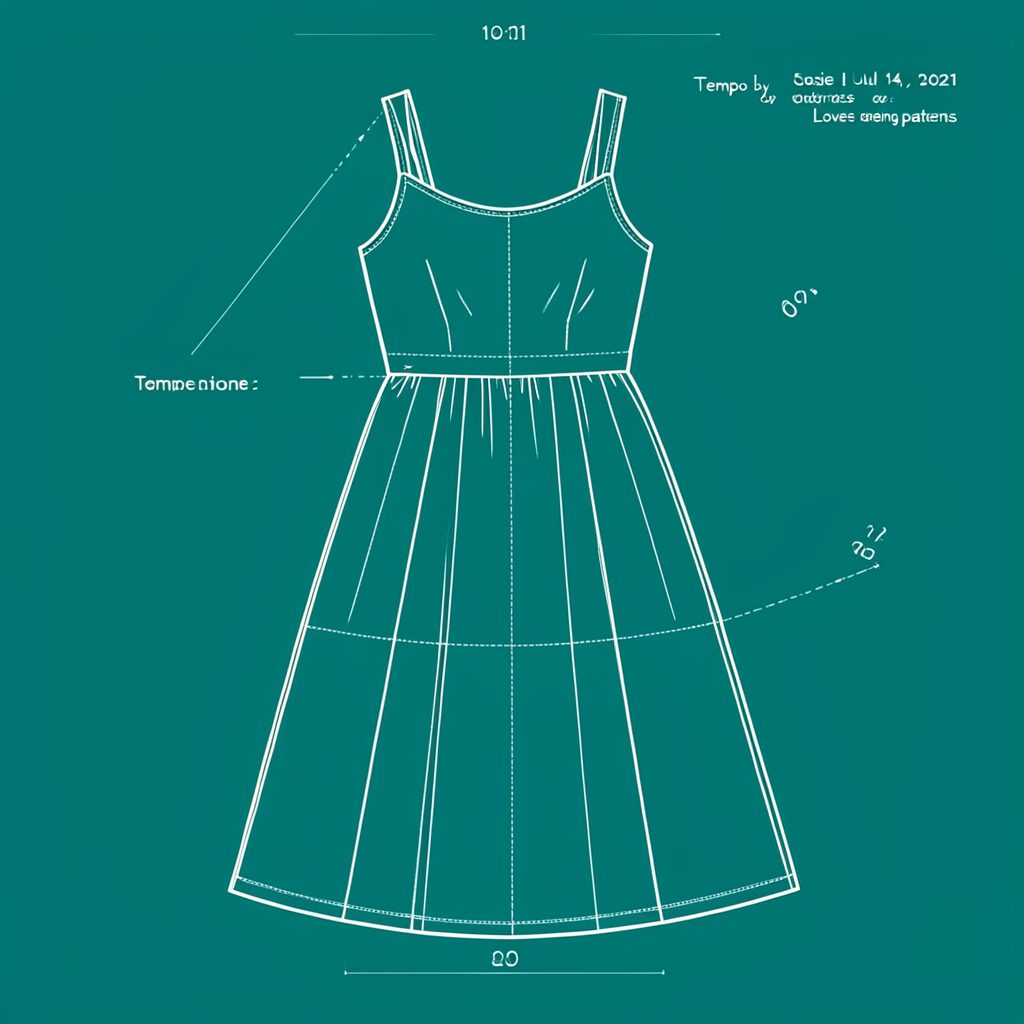
| Tempo Sundress | Love Notions | Sundress | No closures, shirred back panel |
| Arlington Sweater | Love Notions | Sweater | Cold-weather staple |
| Sybil Illusion Skirt | Love Notions | Skirt (knit) | 7 variations, optional pockets |
| Camden Pinafore | Nina Lee Patterns | Pinafore dress | Year-round layering piece |
| Ogden Cami (dress hack) | True Bias | Cami / Dress | Versatile wardrobe builder |
| Burda 6829 | Burda | Dress | Multi-sized, special-occasion |
Stay in Touch
Subscribe to the newsletter for sewing inspiration, pattern tips, and project ideas delivered straight to your inbox.