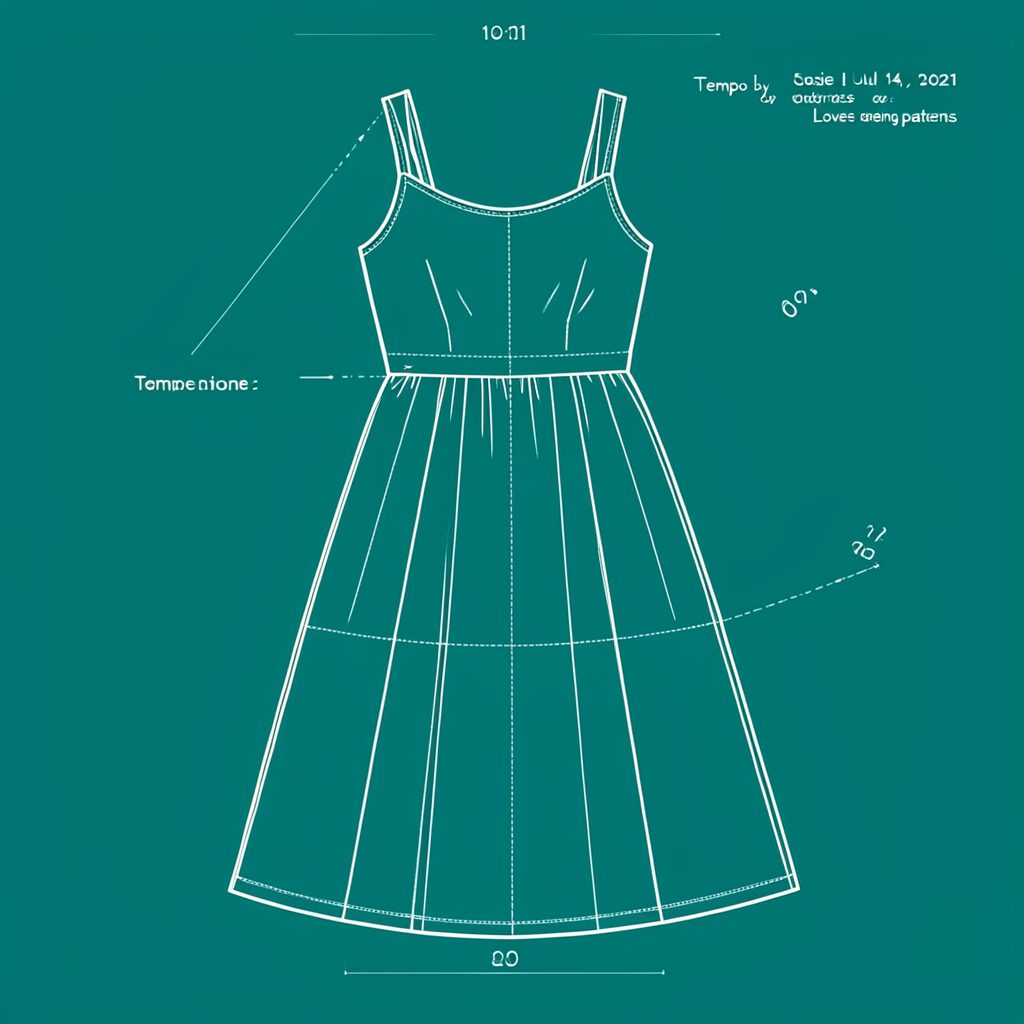
Lisette for Butterick Traveller Dress Pattern Review
The Lisette for Butterick Traveller Dress is the kind of project that earns its place in a handmade wardrobe through regular wear. It has an easy, practical shape, yet the details give it more personality than a basic pull-on dress. I approached it as a useful everyday garment rather than a special-occasion make, considering how it would work for errands, travel and relaxed weekends. Learn more about Andthechurch.com.
For Australian sewists, that everyday focus matters. A dress that can handle a warm commute in Brisbane, a breezy afternoon in Melbourne or a cool evening in Hobart needs thoughtful fabric and comfortable movement. The pattern’s relaxed styling makes it adaptable, but the final result depends heavily on fabric weight, sleeve choice and how much structure you prefer around the body.
My version was planned as a versatile piece with enough ease for walking, sitting and layering. I also wanted to test whether the pattern would feel polished without becoming fussy. The answer was largely yes, although a few construction and fitting decisions deserve attention before cutting into special fabric.
This review covers the pattern impression, fabric selection, sewing process, fit and practical wear. It is aimed at anyone considering a classic independent-style dress pattern from the commercial pattern range, particularly sewists who want a forgiving project with room for personal adjustments.
The design and first impression
The Traveller Dress has a relaxed silhouette that feels intentionally practical. Its shape is comfortable through the body, while the neckline and front details stop it from looking like an oversized house dress. The overall effect is easygoing but presentable, which suits a handmade wardrobe built around repeat wear.
The pattern has the visual language of a shirt dress without demanding a sharply tailored result. That makes it approachable for an advancing beginner, especially if you are comfortable sewing a straight seam, attaching a facing or collar, and working through button or fastening details. Experienced sewists will see plenty of scope for refinement.
I liked that the design can shift personality depending on fabric. A crisp cotton gives it a more structured, utility-inspired look, while a fluid woven makes the dress softer and more relaxed. It would also work well as a lightweight layer over a singlet and shorts during an Australian summer.
Before cutting, I would trace the chosen size and compare the finished measurements with a garment you already wear. The generous ease is part of the design, so selecting by body measurements alone may produce a larger result than expected.
Choosing fabric for Australian weather
Breathable woven fabrics are the safest starting point. Cotton lawn, lightweight linen, linen blends and soft chambray would all suit the design. If you are sewing for humid conditions in Cairns or Darwin, a fabric that dries reasonably quickly and does not cling will make the dress much more comfortable.
Rayon can create beautiful movement, but it may make the construction more demanding because it shifts during cutting and sewing. Double gauze is airy and forgiving to wear, though its softness can reduce the definition of collars, plackets or other structured areas. My summer fabric comparison explores those trade-offs in more detail.
Medium-weight linen is especially appealing for this pattern because it balances breathability with enough body to show the garment’s shape. Expect some creasing, of course; that is part of linen’s character rather than a flaw. A cotton-linen blend may be a good compromise for anyone who wants easier care and a slightly smoother appearance.
Australian fabric shopping also rewards ordering a swatch first. Online colours can vary, and local independent shops may have very different stock from large chain stores. Check the width as well as the meterage because a narrow linen may require more fabric than the envelope estimate suggests.
Sewing the dress step by step
The sewing process is fairly manageable, but accuracy around the front opening and neckline pays off. Stay-stitching curved edges early, pressing after each seam and transferring every marking will make the later stages considerably calmer. Lightweight fabrics benefit from a fine needle and a shorter stitch length, while linen may prefer a fresh universal needle.
The pockets are an important practical feature and worth taking time over. Reinforce stress points if you expect to carry keys or a phone, particularly in a fluid fabric. I also recommend checking pocket placement against your own reach before finishing the side seams; a small adjustment can make the difference between decorative and genuinely useful pockets.
If the pattern includes a casing or gathered waist treatment in your chosen variation, make the elastic comfortable rather than overly firm. My guide to sewing an elastic casing explains a neat method that can be adapted to similar dress construction. Test the elastic around your body while standing and sitting, since comfort changes with movement.
The dress is a good candidate for sewing in stages. Cut and mark one day, complete the bodice another evening, then return to the skirt and finishing details when you have time to press properly. That approach is particularly useful during busy weeks when a large uninterrupted sewing session is unrealistic.
Fit, alterations and styling
The relaxed fit means the most important checks are usually length, shoulder position, bust placement and sleeve comfort. If the shoulders extend too far, the whole dress can look larger than intended. A narrow shoulder adjustment may help, while a full-bust adjustment could be useful if the front pulls across the chest even though the waist and hips fit well.
Length is easy to personalise. A shorter version could be practical for hot weather in Perth, while a longer hem may suit taller sewists or anyone wanting more coverage for cycling and public transport. Make a quick tissue or fabric check before hemming, and wear the shoes you expect to pair with the dress.
The pattern also offers a useful base for small wardrobe experiments. I have seen similar shirt-inspired pieces styled with sandals, sneakers and a woven belt. If you enjoy cropped proportions, the ideas in this post about shortening an Ore shirt can help you think through hem balance and the visual effect of removing length.
For layering, a long-sleeved tee underneath can extend the dress into cooler months in Canberra or regional New South Wales. A denim jacket adds structure, while a cardigan keeps the outfit relaxed. Choosing a plain fabric makes the details easy to see; stripes, small checks and subtle prints can also be effective if you take care with pattern placement.
Wearability, value and final verdict
After sewing, the strongest quality of the Traveller Dress is its usefulness. It is comfortable enough for a day at home but presentable enough for a casual office, gallery visit or lunch. That flexibility makes the pattern appealing when fabric and sewing time need to earn their keep.
It is also a good project for developing confidence. Beginners can learn careful pressing, facings, pockets and fit assessment without dealing with an extremely close-fitting silhouette. More experienced sewists may want to improve the finish with French seams, topstitching or a carefully matched print.
The pattern is less suited to anyone seeking a sharply shaped, minimalist dress straight from the envelope. Its charm is tied to ease and practicality. If you want a close fit, plan on making deliberate alterations rather than relying on the standard size range to create that effect.
| Feature | What to expect |
|---|---|
| Overall shape | Relaxed, comfortable and easy to layer |
| Best fabrics | Linen blends, cotton lawn, chambray and light-to-medium wovens |
| Skill level | Confident beginner to intermediate |
| Main fitting checks | Shoulders, bust, sleeve ease and finished length |
| Wardrobe use | Casual days, travel, warm-weather workwear and weekend wear |
| Alteration potential | Good scope for length, shoulder and styling changes |
My verdict is positive: this is a practical dress pattern with enough detail to stay interesting and enough ease to make it wearable. It would be a sensible choice for an Australian wardrobe, especially when sewn in a breathable fabric and adjusted for local climate and personal movement.
Practical tips for a successful make
- Measure the finished garment before choosing a size, especially if you prefer a neater fit.
- Make a quick toile or test the bodice in inexpensive fabric before cutting linen or rayon.
- Choose fabric according to climate: airy cottons and linens for humid weather, with softer layers for cooler southern regions.
- Reinforce pocket openings and other high-stress points if the dress will be worn frequently.
- Check the hem length while wearing your usual shoes and moving naturally.
- Press every construction stage and use stay-stitching to protect curved edges.
- Treat the project as part of a wider creative routine; even a simple sewing session can sit alongside small home makes such as homemade playdough, especially during school-holiday crafting.
Popular Pattern Reviews
| Pattern | Designer | Type | Highlight |
|---|---|---|---|
| Compose Robe (Kids) | Love Notions | Robe / Loungewear | Sizes 2T–16, cosy & practical |
| Tempo Sundress | Love Notions | Sundress | No closures, shirred back panel |
| Arlington Sweater | Love Notions | Sweater | Cold-weather staple |
| Sybil Illusion Skirt | Love Notions | Skirt (knit) | 7 variations, optional pockets |
| Camden Pinafore | Nina Lee Patterns | Pinafore dress | Year-round layering piece |
| Ogden Cami (dress hack) | True Bias | Cami / Dress | Versatile wardrobe builder |
| Burda 6829 | Burda | Dress | Multi-sized, special-occasion |
Stay in Touch
Subscribe to the newsletter for sewing inspiration, pattern tips, and project ideas delivered straight to your inbox.