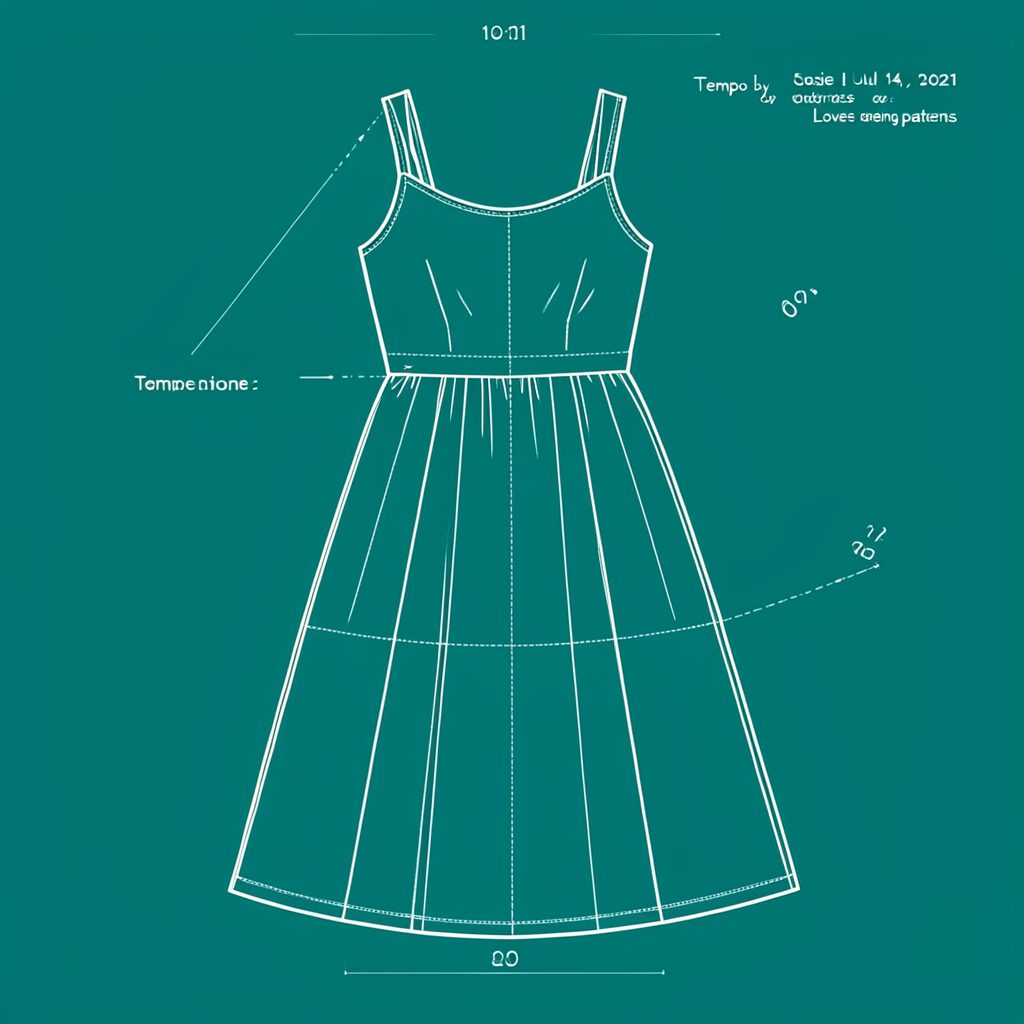
DIY fabric gift bags with a drawstring closure
Handmade drawstring pouches turn leftover fabric into useful, reusable packaging. This simple pouch works for birthdays, Christmas hampers, wedding favours and small handmade gifts, while the gathered top gives it a polished finish without specialist hardware. Learn more about Pêcher Le Bar Avec Une Canne à Deux Brins Avantages.
For Australian sewists, a cotton drawstring pouch is handy for a 750 mL wine bottle, gift card or jar of preserves. Project size can suit a local craft market, school fete or community open house, and sturdy fabric scraps often cost less than ready-made gift bags.
Planning the size and shape
Begin with the gift and allow room for the fabric to gather at the neck. A bag that fits flat when empty may still need extra width for a bottle, bulky toy or several small items. Measure the object first, then add about 5 cm to the body width if you want a relaxed pouch rather than a slim sleeve.
| Shape | Finished size to make | Useful for | Key detail |
|---|---|---|---|
| Small square | 20 × 20 cm | Jewellery, tea or a small treat | Tie the cord shorter for a neat gathered top |
| Tall pouch | 26 × 38 cm | A 750 mL bottle, books or a scarf | Add a flat base so it stands upright |
| Wide envelope | 30 × 25 cm | A4 paper, craft kit or folded clothes | Keep the corners neat and use a firm outer fabric |
The body measurements exclude seam allowances, so add 10 mm around stitched edges. For the casing, allow another 3 cm at the top for a comfortable drawstring channel. Check that your cord will pass through: 70–90 cm of ribbon suits a bag around 35 cm wide, whereas thick upholstery cord needs a larger casing.
Make a paper template before cutting fabric. It is quicker to correct a shape in minutes than to unpick a complete pouch. A shallow curve at each lower corner gives a softer gusset-free shape, while a rectangular base makes the bag easier to fill and suitable for market display.
Choosing fabric for Australian conditions
Medium-weight cotton poplin gives a crisp bag with a soft drape, while linen and cotton-linen blends create a relaxed, textured pouch. Quilted cotton adds body for small gifts, and denim or sturdy canvas can handle larger hampers. Choose fabric that presses cleanly if the top edge needs a sharp fold around the drawstring.
Local weather affects both fabric and construction. Melbourne’s changeable days can bring damp mornings, Sydney summers are humid, and Adelaide’s strong sun can fade dark colours, so test a wash and press the fabric before cutting. Cotton is comfortable against the contents, while a polyester lining moves more easily when a bag carries bottles or damp presents.
Prahran Market’s fabric and haberdashery stalls are a good place to inspect cotton weight and colour in person, and many Australian market sellers appreciate a reusable bag arriving with a handmade purchase. Buy a little extra for binding and a matching thread. Anyone buying supplies online should also check the sewing disclaimer for how products and links are handled on this site.
Pairing the outer fabric with lining
A lining is optional for a first drawstring pouch, but it helps when the outer fabric is loosely woven or when gifts contain food, perfume or damp items. Lightweight cotton lawn or plain-weave cotton is easy to handle and does not add much bulk. A darker lining gives useful contrast and hides stitching, while a bright lining can become a cheerful detail when the top opens.
Because Love Notions patterns are a regular feature here, I enjoy pairing a handmade pouch with a coordinated garment project. The neat topstitching shown in my Virginia Dress pattern review is a useful reference if you want decorative stitching on the bag to echo a dress, blouse or matching accessory.
Cut the lining panels 2–3 cm narrower than the outer panels so they do not fight with the outer seam allowance. If the lining is darker, use matching thread rather than relying on a contrasting colour. Avoid heavy interfacing across the whole bag; a narrow strip behind the casing is enough to stop the drawstring edge from collapsing.
Cutting and preparing the pieces
Calculate every piece from a tested paper pattern before placing scissors on the cloth. For a flat-bottomed pouch, you need front and back outer panels, optional front and back lining panels, two rectangular base pieces if you want a gusset, and enough bias binding to finish exposed edges. A 10 mm seam allowance works well with medium cotton.
Wash and dry the fabric first, using the care label as a guide. This step matters for cotton-linen blends because shrinkage can shorten the casing and make the cord difficult to reach. Find the true grain, align the pattern accordingly, and use the selvedge as a neat straight edge for the base. Mark all pieces before cutting so the front and back do not get reversed.
Press the panels lightly and label them with the same symbols used on your paper pattern. Sand frayed selvedges gently rather than pulling them, which can create a wavy edge. Keep the drawstring openings in the upper corners until the end, and test the ribbon against the casing width before committing to a final cord length.
Sewing the drawstring channel
Stitch the outer side seams and flat base with right sides together, then turn the shell so the right side faces outwards. Place the lining inside and align it with the outer side seams, leaving both upper edges free to gather. Press the seams towards the back so the front remains smooth, and check that the lining sits flat around the opening.
Fold the outer top edge 3 cm to the wrong side and press it lightly. Topstitch along the lower edge of the fold, catching the lining’s raw edge in the same seam, and leave a 2 cm gap in each side seam for the cord. This creates a clear drawstring channel while securing the lining. If you prefer neater openings, finish them with small vertical bars of reinforcement stitching.
Thread a blunt bodkin or safety pin through one opening, attach the ribbon with tape, and feed it through the channel. A playful analogy comes from a two-branch fishing method, where two opposed lengths share the load; your casing works best when the pull is distributed across both sides. Add bar tacks beside the openings so repeated tying cannot split the stitching.
Finishing, filling and gifting
Give the casing a final topstitch, press the bag, and pull the drawstring until the top gathers evenly. Check that the fabric can still open wide for a book or bottle, then tie the ribbon in a simple bow or a flat reef knot. For a neater reusable bag, make the cord ends long enough for a wrist loop and finish them with narrow bias binding.
Fill the pouch according to its shape. A tall bag can carry wine, pantry treats and homemade biscuits; a wide envelope suits stationery, a gift card or a sewing kit; a small square is ideal for jewellery or a handmade soap. At Australian fetes and open houses, these pouches can become attractive holders for raffle prizes, preserves or small thank-you gifts.
Give the bag time to air after handling damp or strongly scented items, then wash it according to the fabric label. Line-dry in shade, especially in hot, dry conditions, and reshape the casing while it is still slightly damp. A well-finished bag should open easily, close securely and return to flat for the next gift.
Popular Pattern Reviews
| Pattern | Designer | Type | Highlight |
|---|---|---|---|
| Compose Robe (Kids) | Love Notions | Robe / Loungewear | Sizes 2T–16, cosy & practical |
| Tempo Sundress | Love Notions | Sundress | No closures, shirred back panel |
| Arlington Sweater | Love Notions | Sweater | Cold-weather staple |
| Sybil Illusion Skirt | Love Notions | Skirt (knit) | 7 variations, optional pockets |
| Camden Pinafore | Nina Lee Patterns | Pinafore dress | Year-round layering piece |
| Ogden Cami (dress hack) | True Bias | Cami / Dress | Versatile wardrobe builder |
| Burda 6829 | Burda | Dress | Multi-sized, special-occasion |
Stay in Touch
Subscribe to the newsletter for sewing inspiration, pattern tips, and project ideas delivered straight to your inbox.