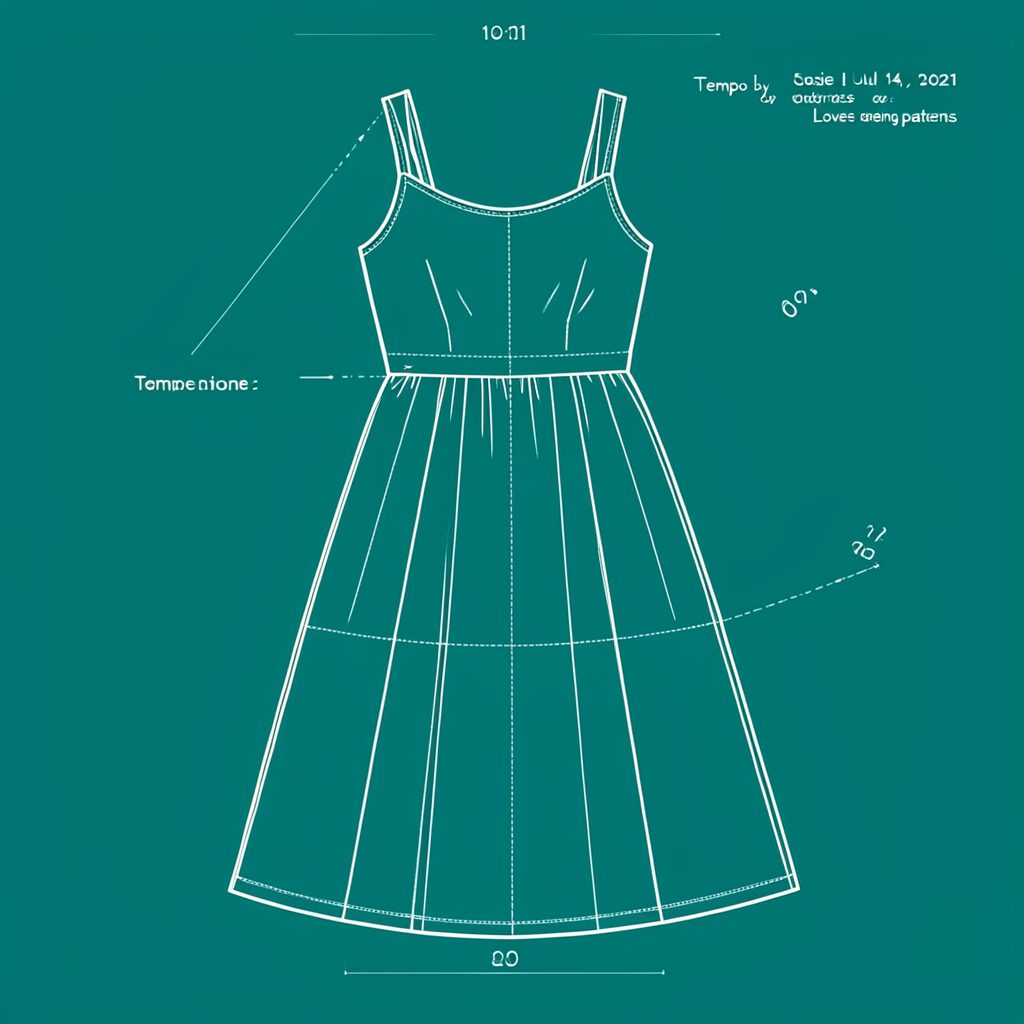
Double Gauze for Soft Baby Wraps: A Fabric Spotlight
Double gauze earns its place in a baby project because it is soft without being flimsy. It is not simply two sheets of muslin stitched together: fine yarns form two loose layers that pucker together and move as one. The result drapes around small shoulders, folds without sharp creases and becomes gentler after washing. That makes it a comfortable choice for a handmade baby wrap, a generous swaddling cloth or a cuddly cover for a change table.
For a wrap that will be used often, construction matters as much as the cloth. A generous seam allowance, softened edges and securely finished corners prevent the fabric from twisting or fraying. The pattern reviews and alteration ideas on It Is Josie notes show how independent sewing patterns can be adjusted for this kind of everyday use. The guidance below combines fabric selection, practical sizing and Australian climate considerations to help the finished piece remain useful long after the first photos.
Why double gauze feels different
Double gauze begins with a light weave rather than a dense one. The two layers are gathered during finishing, so they share a rippled surface but remain distinct enough to create tiny pockets of air. In many 100% cotton versions, the two fabric layers also become four layers at a seam allowance. This gives the wrap stability while keeping it softer and airier than a single heavyweight cotton.
The gathered texture traps warm air more effectively than a flat weave, yet the open yarn structure releases heat better than dense cotton or fleece. It also absorbs moisture without feeling slick against skin. Comfort depends on the fibre content, so untreated cotton is usually the most dependable option for a baby wrap.
When shopping, check the fibre content and care instructions rather than trusting the word “gauze” alone. Under Australian consumer law and mandatory textile labelling standards, clothing and many textile products need clear fibre-content information and suitable care labelling. If you make wraps to sell, confirm the current rules and avoid removing a manufacturer’s label from a panel.
Choosing cloth for Australian weather
Lightweight double gauze usually measures around 100–140 gsm, although terms vary between makers. Hold the cloth to daylight: fine white versions may need two layers for opacity, while darker prints disguise see-through areas. Ask for a larger sample if you are choosing online, since screen brightness hides subtle differences.
In much of Australia, summer runs from December through February, the reverse of Yorkshire’s sewing calendar. Brisbane and Sydney often bring humid heat, while Melbourne can shift quickly between bright mornings and cooler changes. Air-conditioned homes, cafés, shops and cars make short outings easy, but a pram or baby carrier will sit in direct sun when parked. Choose a breathable layer and keep the wrap shaded when not in use.
Australia’s maker market includes independent online haberdasheries, neighbourhood craft shops, makers’ markets and op-shop remnant bins where useful cloth can be inexpensive. Independent pattern companies also broaden the choice: Cece & Ego designs offer playful prints that can inspire borders, pockets or a matching accessory. For a full wrap, plain or tonal cloth often wears more calmly.
Designing a wrap that fits
A square muslin-style wrap is the simplest format, but a rectangular wrap sewn from two panels can give a longer reach for a growing child. Decide whether the finished size refers to the fabric before or after washing. Measure the diagonal of a square and allow for shrinkage; a true-bias cut adds useful stretch around the curve of a body.
Love Notations patterns provide a useful starting point for modern wardrobe-style details, while Jenny Halldesign patterns show how small design changes can give a project its own character. A collar curve, neat tie or shaped pocket may be adapted for a wrap without turning it into a miniature dress. Keep the centre comfortable and reserve decorative features for edges.
Before cutting, make a quick muslin or paper mock-up to test reach and bulk. A soft wrap should feel secure without restricting a baby’s natural arm position. Check the pattern’s stated weight and use guidance because a wrap is a close-fitting baby item, not simply a large rectangle.
Cutting and sewing with less waste
Prewash and dry the fabric using the same method you expect to use later. Gauze often softens and can lose a little length in the first wash. Choose a gentle cold cycle and avoid fabric conditioner, which can leave a coating on the fibres. Press or steam from the reverse before cutting so the layers lie flat.
Indie sewing patterns rarely need to remain exactly as drafted. The practical ideas in five easy alterations translate neatly to a wrap: lengthen a tie, adjust an angled corner or widen a tie point for easier handling. Alter one thing at a time, then drape the sample before committing to the final cloth.
Use the grain to control stretch. A square cut on the straight grain keeps predictable edges, while diagonal bias panels give more give around a body. Stack the layers with a sharp rotary cutter and weight the fabric so it does not shift. Save narrow offcuts for ties and test pieces rather than discarding them.
Soft construction and strong seams
Join panels with a consistent 6 mm seam allowance and keep the gathered layers from shifting under the presser foot. A walking foot can help, but gentle hand guidance is just as useful. Test on a scrap and choose a needle that punctures cleanly without leaving large holes in the yarn. Cotton thread suits most washed cotton gauze.
Raw gauze edges will fray, so enclose them. A narrow double-fold binding gives a soft finish and protects the corners from opening. For a simpler seam, fold each edge to the wrong side, tuck it into the first fold and topstitch securely. Secure every loose thread; small details matter on an item used around a baby.
Steam from the reverse rather than pressing the rippled surface flat. A hot iron can flatten the texture or scorch pale cloth, while too much pressure makes the layers crisp rather than soft. Drape the finished wrap over a weighted towel bundle to check the fall, then roll it loosely for storage.
Care, safety and final choices
Care starts with the finished item’s label. Wash it separately at first in case any dye moves, then use a mild detergent and a cool or warm cycle as permitted. Skip fabric softener and avoid strong bleach. Line dry in shade or use a low tumble setting if the cloth allows it. Strong Australian sun can fade colours, so shade makes a practical difference.
A cloth wrap is for supervised, awake use, not an unattended sleep surface. Follow the pattern’s age and positioning guidance, and check current Safe Sleep Australia advice for any fabric placed near a sleeping baby. If you order supplies or join a project update list, the site privacy policy explains how personal details are handled.
Keep a note of the fibre content, batch and wash care if you are making several wraps or gifting them. For a handmade gift, a simple care card can prevent a well-loved wrap from being washed in a way that makes it feel rough. Repairs, fresh binding and careful washing can extend its life well beyond a single season.
| Consideration | 100% cotton double gauze | Cotton-viscose gauze | Linen-cotton gauze | Double-knit jersey |
|---|---|---|---|---|
| Surface feel | Airy, softly puckered and increasingly fluffy | Smooth and fluid, with a softer drape | Crisp at first, then softer with washing | Smooth, elastic and structured |
| Drape and stretch | Fluid with moderate bias stretch | Fluid with generous stretch | Less forgiving, with modest stretch | Stable with strong four-way stretch |
| Warmth | Light and airy | Light, but wet viscose needs gentle care | Variable; usually breathable | Warmer and more insulating |
| Wrapping use | Traditional choice for a soft, gathered wrap | Comfortable once opacity and washing are checked | Durable with a crisper, natural handle | Supportive but less traditional in appearance |
| Care | Gentle wash and tumble or line dry | Use cool water and avoid vigorous washing | Expect creasing and soften through use | Easy to wash, but may retain more warmth |
Popular Pattern Reviews
| Pattern | Designer | Type | Highlight |
|---|---|---|---|
| Compose Robe (Kids) | Love Notions | Robe / Loungewear | Sizes 2T–16, cosy & practical |
| Tempo Sundress | Love Notions | Sundress | No closures, shirred back panel |
| Arlington Sweater | Love Notions | Sweater | Cold-weather staple |
| Sybil Illusion Skirt | Love Notions | Skirt (knit) | 7 variations, optional pockets |
| Camden Pinafore | Nina Lee Patterns | Pinafore dress | Year-round layering piece |
| Ogden Cami (dress hack) | True Bias | Cami / Dress | Versatile wardrobe builder |
| Burda 6829 | Burda | Dress | Multi-sized, special-occasion |
Stay in Touch
Subscribe to the newsletter for sewing inspiration, pattern tips, and project ideas delivered straight to your inbox.