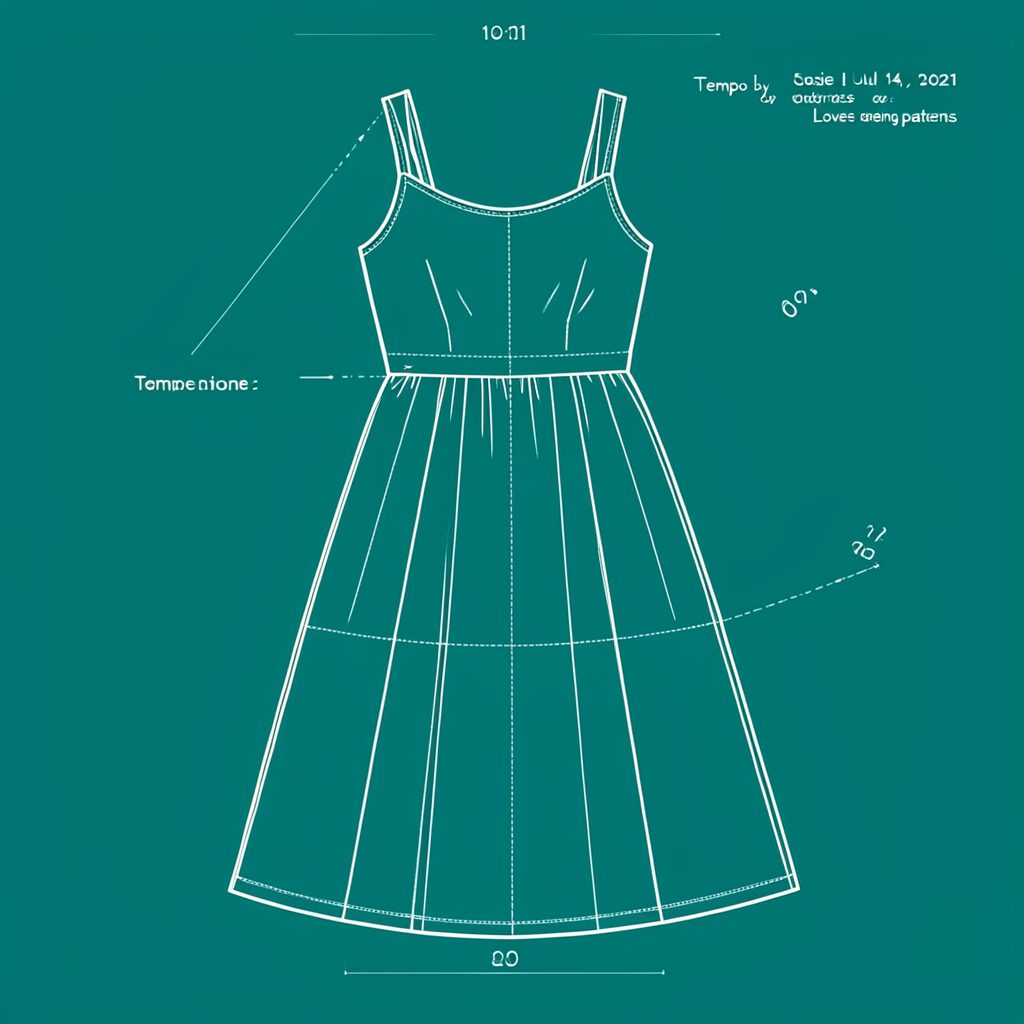
Cutting Knit Fabrics Without Stretching
Cutting knit fabric is most successful when the cloth is treated as a relaxed, living material rather than a flat sheet of paper. Jersey, rib, interlock, French terry and fleece can grow when handled, shift under a rotary cutter or change size after washing. The goal is to preserve the fabric’s intended grain, stretch and recovery before any shape is cut.
For Australian sewists, preparation also means accounting for warm summers, indoor heating and the way garments are washed at home. A piece that looks stable in a cool shop can relax in Sydney humidity, while a warm Melbourne day may leave a hand-washed knit damp for longer. Washing, drying and measuring the fabric on the same day you cut gives every pattern piece a more dependable starting point.
Why knit behaves differently
Knit construction is what makes these risks different from cotton lawn or denim. Loops in the knit can extend across the width, while fabric weight and rib direction determine how it moves. Stretch, recovery and ease interact: a size designed for a stretchy jersey may sit badly on a stable knit that has been pulled smaller to imitate stretch.
Fit is easier to judge when the cut itself is honest. A useful example appears in Josie’s Virginia dress pattern review, which shows why fabric behaviour and construction hacks should be considered together. Independent labels such as Love Notions are popular in Australia, while local makers, market stalls and online shops often sell in Australian dollars, so check the stated fabric type and stretch before choosing a size.
Prepare and relax the fabric
Wash the fabric before cutting it, following the care label and the way you intend to launder the finished garment. Dry it in the recommended way, then let it rest flat. Do not tug it back to its original dimensions if it has shrunk; that creates uneven tension which may look acceptable until the garment is worn. Steam can release folds, but use a press cloth and a light touch so the knit is not polished, flattened or overstretched.
These detailed fabric-care guidance pages offer a helpful starting point for preparing textiles, while every fibre blend still deserves its own label check. Products sold by an Australian business must meet the consumer guarantees under the Australian Consumer Law; correct washing matters because damage from ignoring care instructions may fall outside those guarantees. For overseas sellers, check the Australian Consumer Law coverage, currency, returns process and possible GST or duty before paying.
Build a stable cutting layout
Place the fabric flat on a large cutting mat without pulling the selvages straight. If one edge looks shorter, smooth it into place from the centre outwards rather than pulling the opposite edge. Use the grainline printed on the pattern rather than the apparent edge of the cloth. For checked or striped material, grain alignment also becomes a visual placement decision, not merely a technical one.
Choose tools that resist movement: a self-healing mat, a long transparent ruler, a fresh rotary blade or clean dressmaking shears, fabric weights and tailor’s chalk. Australian cutting mats are commonly sold in metric sizes, with A-series sheets useful for full-size garments. Replace a blunt blade, because pressure increases as you try to force a cut, and that pressure can push soft knit sideways.
The main fabric choices need different handling:
| Knit type | Main risk | Preparation | Best cutting approach |
|---|---|---|---|
| Single jersey | Crosswise growth and curling | Wash, dry and rest; keep the grain straight | Sharp rotary cutter, long ruler and pattern weights |
| Rib knit | Strong stretch in one direction | Identify the rib direction and intended stretch | Cut bands with stretch around the limb or opening |
| Interlock | Moderate stretch with a stable face | Flat dry if the label permits; press lightly | Rotary cutter or clean shears with minimal repositioning |
| French terry and fleece | Bulk, pile shift and soft edges | Keep the pile aligned and support the cloth | Use pattern weights and sharp shears around curves |
Cut without moving the cloth
Anchor the pattern before you touch the rotary cutter. Smooth it from the centre towards the edges, check the grain, notches and cutting lines, then place weights where the pattern will not distort. Do not pin through a bulky knit if the pin can pull it, and do not stretch the paper pattern over the fabric to make the edges meet. For slippery jersey, cut a single layer unless the pattern instructions recommend folding.
Cut long straight edges in one confident pass where possible, keeping the ruler fixed and moving the blade along its edge. For curves, use the tip of sharp shears and cut into the curve with short, smooth strokes; avoid swinging the fabric around the blades. Mark the centre of each curve, notches and any drill holes before cutting, because handling a separated piece makes distortion more likely.
Support the remaining cloth with your free hand without pressing down near the cutting path, and keep it relaxed rather than taut. If a layer shifts, stop and realign rather than correcting the error with tension. For visual ideas before choosing your layout, Josie’s DIY project ideas can help you see how different knits behave in wearable garments.
Match grain, ribs and checks
Direction is especially important for cuffs, neckbands and panels. Check the pattern’s cut-on-fold and grainline symbols, and make sure a ribbed band will stretch in the direction needed to fit the body. Once the stretch is established, keep the cuff long enough to recover over the intended area, then sew it with even tension. Pulling the band while stitching only disguises the problem and leaves a wavy seam.
Checks and stripes add another layer of control because small shifts become obvious across several panels. Josie’s plaid matching guide explains the matching decisions that also affect layout on knit cloth. Lay out the pieces before cutting, identify the dominant line, and work outwards from the centre of the garment. Use a transparent ruler and spare fabric as a positioning guide, but do not slide the fabric once the main grain has been set.
Secondhand jersey needs the same caution. Australian charity shops such as Savers can offer useful remnants, but the original fibre content and laundering history may be unknown. Test the stretch gently, wash or steam as appropriate, and avoid using fabric with permanent distortion or damaged fibres.
A repeatable cutting routine
A calm cutting routine takes less time than unpicking distorted pieces or replacing a stretched panel. Set out the pattern pieces in order, keep the fabric flat, and treat each stage as a checkpoint: washed, measured, grain-aligned, marked and cut.
- Wash first: Use the intended laundering method, let the fabric rest, and accept its relaxed measurements.
- Test the stretch: Stretch gently in both directions, note the amount and recovery, and select the size according to the pattern’s stated fabric.
- Anchor before cutting: Align the grain and use pattern weights; correct any shift before the blade or shears reach the cloth.
- Cut with support: Use a sharp blade for straight runs and small, smooth snips for curves, keeping the fabric relaxed in your non-cutting hand.
Most importantly, do not use tension to make a problem disappear. A knit stretched to fit the paper will either relax unpredictably or grow further when worn. Let the pattern’s ease provide the shaping, then check the garment on the body before adding the final embellishments.
Popular Pattern Reviews
| Pattern | Designer | Type | Highlight |
|---|---|---|---|
| Compose Robe (Kids) | Love Notions | Robe / Loungewear | Sizes 2T–16, cosy & practical |
| Tempo Sundress | Love Notions | Sundress | No closures, shirred back panel |
| Arlington Sweater | Love Notions | Sweater | Cold-weather staple |
| Sybil Illusion Skirt | Love Notions | Skirt (knit) | 7 variations, optional pockets |
| Camden Pinafore | Nina Lee Patterns | Pinafore dress | Year-round layering piece |
| Ogden Cami (dress hack) | True Bias | Cami / Dress | Versatile wardrobe builder |
| Burda 6829 | Burda | Dress | Multi-sized, special-occasion |
Stay in Touch
Subscribe to the newsletter for sewing inspiration, pattern tips, and project ideas delivered straight to your inbox.