Keeping Stretch Lace Smooth and Pucker-Free
Stretch lace can create a beautifully soft edge, yet it punishes rushed handling. A seam that looks flat on the table can ripple once joined, while a stretched neckline may pucker around a zip or elastic. The most reliable tips for sewing with stretch lace without puckering focus on controlling stretch through cutting, stabilising, easing, stitching and finishing.
For Australian sewists, fabric choice must also suit the climate. A swimsuit or summer layer made with lightweight lace needs to feel comfortable during a Sydney or Brisbane afternoon, but it must not bunch around the body in an air-conditioned office or shop. That balance between drape, coverage and recovery shapes sensible choices for elastic lace, mesh and other slippery knits.
Know how your lace moves
Start by identifying the stretch. Some all-over lace extends in two directions, some in four, and some has elastane running mainly across the width. Fine net has little give, while power mesh feels stable until pulled hard. Mark a 10 cm section on an offcut, stretch it gently to the width you expect the finished garment to achieve, then let it relax. This reveals how much the lace will grow and how firmly seams need support.
Follow the grainline and stretch information supplied with both pattern and fabric. Do not assume every lace has the same crosswise stretch, and do not rotate one-way stretch fabric merely to fit a cutting layout. If there is no grainline, ask the supplier how the lace was milled and where the greatest stretch lies. Cut a single layer with a sharp rotary cutter or scissors so slippery openwork does not distort.
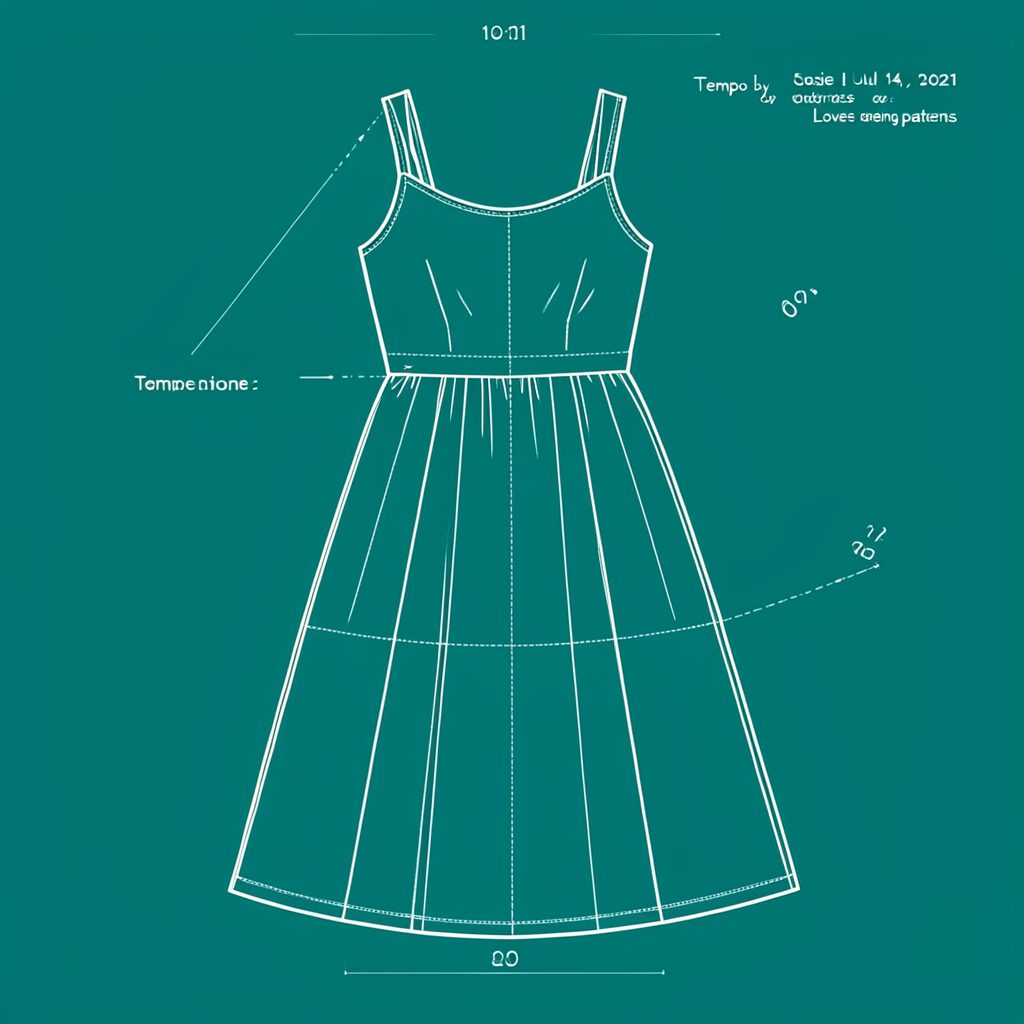
Pattern choice matters as much as fabric choice. A garment drafted for stable jersey can distort in soft lace because its ease was calculated for different recovery. Independent reviews help with that judgement: Josie’s North Shore dress review combines construction notes with finished-project photographs, helping you judge fit, fabric requirements and construction demands before cutting.
Prepare the lace and pattern
Follow the care label before cutting. If the lace is washable, wash it gently and dry it flat so relaxation happens before seam lines are marked. Delicate stretch lace should not be washed unless the maker recommends it. Keep pins and needles away from open motifs, and place scraps beneath the cutting area to prevent snagging.
Compare measurements rather than size letters. Australian size charts do not always map neatly onto UK or US charts, and indie patterns may allow different stretch ease. Indesign and The Sewing Shed are local designers whose patterns are widely used here, but fit still depends on the fabric. Shoppers often compare stock at Spotlight and The Make It Centre with online indie sellers; AUD prices generally include GST, while shipping and click-and-collect arrangements vary.
Mark seam lines with tailor’s chalk or a removable fabric marker, then test the mark on the lace pile. A pen line can remain visible through a sheer motif. For general preparation, the step-by-step cutting and construction guides offer useful reminders about clean cutting and accurate marking without specialist equipment.
Match stabilisers to lace types
Choose support that prevents seam lines from moving without making them stiff enough to create a ridge. Match it to the lace’s stretch, transparency and seam position.
| Lace type | How it behaves | Useful support | Sensible stitching approach |
|---|---|---|---|
| Fine all-over stretch lace | Soft, open and often very elastic | Fusible knit stay or a strip of stable mesh | Ballpoint needle, gentle hand basting, light pressure |
| Power mesh | Firm with strong recovery | Usually none, or very light stay tape | Ballpoint needle, walking foot and a small stretch stitch if needed |
| Scalloped stretch lace | Decorative edge with variable stretch | Light support behind seam lines only | Secure the scallops before trimming the seam allowance |
| Tulle or fine net | Stable but easily snagged | None unless the seam carries strain | Sharp ballpoint, careful trimming and no forced seam |
Always test fusible products on an offcut. Heat can seep through open lace, leave a shiny patch or damage an elastic finish. Apply fusible stay to the wrong side and press a light cotton cloth over it. If the support is too heavy, the seam may feel raised and ripple when worn. The aim is controlled movement, not a rigid seam.
Build a reliable sewing setup
Before stitching, set up the machine for the fabric rather than a smooth cotton shirt. Check the needle, feed dogs, presser foot and thread path, then sew a test on two joined scraps of the actual lace. In Australia, common 70/90 needle sizing varies between brands and machines; a ballpoint needle normally suits lace, while a stretch needle helps with dense elastic mesh.
A compact sewing setup
- Size 70 or 90 ballpoint needle, plus a stretch needle for firm elastic mesh
- Fine polyester thread and an extra needle in case the thread breaks
- Fine glass-head pins, a pin cushion, tailor’s chalk and a small transparent ruler
- Fusible knit stay, lightweight mesh scraps and a pressing cloth
Use a walking foot for lining, elastic or firm facing, but do not compensate for poor tension by increasing pressure. Feed dogs should not chew open motifs. A straight stitch may suit stable net; a small balanced stretch stitch can suit elastic lace, although excessive zigzag width or tight top-thread tension may itself cause gathering.
A quick pre-sew check
- The lace has been relaxed according to its care instructions
- Grain, stretch direction and seam markings agree with the pattern
- The needle, stitch length and tension have been tested on matching scraps
- Seam allowances can handle slight ease without gathering the lace
Keep sample offcuts beside the machine to compare feet and tension before sewing a bodice. Australian sewing chat often calls a small unpicked seam “no dramas”: rip it out and have another go. Testing early and changing one variable at a time is the practical fix.
Control easing as you join
Puckering at a seam usually begins when one edge is stretched, shortened or unevenly fed. Compare the seam lines before pinning, and use chalk marks at the centre and key points such as the shoulder or underarm. Match those marks first, then ease extra fabric gradually between them. Never pull the lace to make edges meet, and avoid gathering it to absorb a large fit difference.
For a neckline with elastic, baste the elastic and test it on the body or mannequin before joining the lace. Elastic that is too short, tight or uneven can pull surrounding fabric into ripples even when the seam is neat. Ease the lace onto zip tape while keeping the tape smooth and allowing the lace to settle around the curve.
If a raw edge needs support without a conventional facing, a narrow strip made using bias tape from scraps can stabilise the seam and give a clean finish. Use soft, lightweight binding and ease it at curves. In a lined bodice, match the lining and lace seam allowances but control them as separate layers, adjusting only the layer with extra ease.
Finish edges without ripples
Grade bulky seam allowances and trim them evenly after checking the seam. Clip curves without cutting the elastic, then turn and press with a cloth. Avoid heavy steam directly on the lace: moisture can make fibres relax or leave marks, and decorative motifs may distort. A low-temperature press followed by hanging the garment flat is often safer than repeated pressing.
Raw necklines and armholes can pucker when pulled inward. Keep facing or binding slightly easier than the lace, hold it with evenly spaced pins and use a short securing stitch. Do not stretch the finished edge while turning it, and avoid a tight catchstitch that pulls against elastic fibres. On lined sections, understitch only where it will not draw the seam towards the edge.
If ripples appear, unpick the seam before the tension sets. Check for a damaged needle, sticky feed dogs, excessive top-thread tension or an allowance being forced flat, then repeat the test on a scrap. With controlled easing and suitable support, stretch lace can stay soft and flattering instead of gathered.
Popular Pattern Reviews
| Pattern | Designer | Type | Highlight |
|---|---|---|---|
| Compose Robe (Kids) | Love Notions | Robe / Loungewear | Sizes 2T–16, cosy & practical |
| Tempo Sundress | Love Notions | Sundress | No closures, shirred back panel |
| Arlington Sweater | Love Notions | Sweater | Cold-weather staple |
| Sybil Illusion Skirt | Love Notions | Skirt (knit) | 7 variations, optional pockets |
| Camden Pinafore | Nina Lee Patterns | Pinafore dress | Year-round layering piece |
| Ogden Cami (dress hack) | True Bias | Cami / Dress | Versatile wardrobe builder |
| Burda 6829 | Burda | Dress | Multi-sized, special-occasion |
Stay in Touch
Subscribe to the newsletter for sewing inspiration, pattern tips, and project ideas delivered straight to your inbox.