Sew a fabric wristlet keychain with zipper that holds up to daily use
A fabric wristlet keychain with zipper closure is one of those quick weekend makes that pays for itself the moment you start using it. It clips onto a belt loop, slips into a handbag's outer pocket, and keeps your keys, transit card and a few folded notes together instead of rattling around in your tote. For sewists in Australia, where a Brisbane arvo can push the humidity past eighty percent from spring through to early autumn, a lightweight fabric version is far more comfortable against the wrist than a thick leather strap that turns sticky and dark.
This project suits anyone who can run a straight seam, install a regular zip and topstitch. It is a clever way to use small fabric offcuts from a bigger make, and the finished item makes a lovely stocking-stuffer or market-stall gift. If you have been wanting a quick project to sharpen your bag-making skills, this is a friendly place to start.
Why a fabric wristlet beats a clunky leather one
Fabric versions are kinder to your wrist during a sticky summer day, when any leather strap starts to feel like a sweatband. Cotton and linen breathe, they wash in a regular cycle, and they take dye and print beautifully so each wristlet can be a one-off. Leather keychains look smart in the shop but they scuff fast, get marked by keys and rarely match what you are wearing on a Saturday morning at the markets.
Another win is repair. When the zip eventually wears out on a fabric wristlet, you can unpick a few centimetres, drop in a new zip and have it looking fresh in an hour. A broken leather loop usually means binning the whole thing. A fabric version also travels well in cabin luggage, since there is no metal clasp to set off airport scanners on your next trip over the Tasman.
Picking fabrics that cope with heat and daily wear
For a sturdy everyday keychain, look at quilting cotton, canvas weight linen or a medium-weight cotton twill. Anything thinner than a bedsheet will crumple in your hand and let the key teeth bite through the lining. If you want to print or embroider the outside, quilting cotton gives the crispest results and is easy to topstitch along the zip and strap.
Linen deserves a special mention because it softens with every wash and ages into that lovely slouchy look sewists chase. Before you cut a single piece, take a few minutes to pre-wash and press your fabric so any future shrinkage happens now, not after the wristlet is finished. If you are new to working with linen, these pre-washing linen tips walk through the heat, agitation and drying steps that stop a finished project warping later. Spotlight stores across the country stock linen and quilting cotton by the metre, and most branches will cut a third-of-a-metre piece if you only need a fat quarter plus a bit more.
Choosing the right zipper, pull and hardware
A standard 20 cm dress zip is the sweet spot for most wrists, though you can go down to 15 cm if you want a more compact pouch. Nylon coil zips are forgiving for beginners because they flex with the fabric, sit flatter against a curved seam and cost a couple of dollars at Spotlight or Lincraft. Metal zips look more polished but need a heavier needle and a steady hand on the topstitching.
For the strap hardware you have a few options. A swivel lobster clasp clips neatly onto a belt loop, while a rectangular half-ring slides onto webbing and gives a sportier finish. Avoid cheap plated rings from discount stores if you can, since the plating flakes after a few wet trips to the beach. Stainless steel hardware costs more but it pays back in years of use, especially if you live within cooee of the coast where salty air eats through anything plated.
Cutting, interfacing and installing the zipper cleanly
Cut two outer pieces, two lining pieces and one strip of medium-weight fusible interfacing per side, around 6 by 22 cm each. The interfacing stops the key teeth from poking through and keeps the pouch from collapsing every time you let go. Mark notches at the top, side seams and zip ends with chalk or a washable pen so nothing gets twisted halfway through.
Pin the zip face-down along the top edge of one outer piece, right sides together, and baste it in place before sewing. A strip of wash-away wonder tape along the seam allowance stops the zip tape sliding as you feed it under the machine. Set your machine to a 1 cm seam allowance, swap to a zipper foot and sew slowly with the coil running along the inside edge of the foot. Press the seam flat, then topstitch about 2 mm from the seam on the right side to anchor the tape. Repeat on the second outer piece so the zip is sandwiched between the two. If you are new to reading pattern instructions for slightly bigger projects, taking the time to match the indie pattern to your usual measurements saves a lot of unpicking later.
Attaching the strap, turning and finishing
Fold a 2 by 12 cm strap piece in half lengthwise, sew along the long edge, turn it right-side out and press. Thread it through your chosen hardware, fold the raw ends under by 1 cm and topstitch them to one short end of the assembled outer piece. With right sides together, sew the outer and lining pieces separately around the three remaining sides, leaving a 5 cm gap in the bottom of the lining for turning.
Trim the corners, snip the curves and pull the whole thing right-side out through the gap. Push the corners out with a knitting needle or a chopstick from the kitchen drawer, press the seams, and slipstitch the lining gap closed. Push the lining inside the outer pouch, give it a final press, and you have a finished wristlet that is ready to clip onto a bag or belt loop.
Care, repair and gift ideas
Once the wristlet is finished, pop it into a garment bag on a cold, gentle cycle when it needs a wash. Hang it to dry in the shade, since a full day under Australian sun can bleach the colours and weaken the zip tape. If the zip slider starts to skip, give the teeth a quick brush with an old toothbrush and a drop of beeswax-based lubricant, which usually gets it gliding again in seconds.
These make brilliant gifts when paired with a coordinating brooch, a tiny notebook or a set of hand-sewn earbuds. If you sew several at once using leftover pieces from a DIY reusable fabric wrapping cloths with frayed edges project, you can wrap each one in its own fabric pouch for a zero-waste finish. Local markets like Salamanca in Hobart or Queen Victoria in Melbourne are great places to test small-batch designs before committing to a bigger run, and they suit sewists who like a chat while selling.
Quick reference for fabrics and tools
This last section pulls together the materials, fabrics and small tools worth keeping on the sewing bench so the next wristlet comes together even faster. The fabric comparison below shows the most common choices side by side, and the list gathers the kit that makes zip installs and strap finishing less fiddly.
| Fabric | Durability | Wash behaviour | Best for |
|---|---|---|---|
| Quilting cotton | High | Holds shape, easy iron | Everyday prints, beginners |
| Medium-weight linen | Medium-high | Softens over time | Slouchy, natural look |
| Cotton canvas | Very high | Stiff at first, softens later | Strap and outer body |
| Cotton lawn | Low-medium | Wrinkles, drapes | Decorative panels only |
| Light denim | High | Holds structure | Sporty, unisex styles |
Kit worth keeping on the bench
- A zipper foot and a walking foot, since most domestic machines do not love bulky seams without them
- Mid-weight fusible interfacing to stiffen the outer fabric and protect the zip
- A small pair of curved embroidery scissors for snipping thread and clipping curves
- Wash-away wonder tape for holding zip tape in place before stitching
- Stainless steel lobster clasps or half-rings, because plated hardware flakes in coastal air
- A turning tool or chopstick from the kitchen drawer for poking out corners cleanly
- A small bottle of beeswax-based lubricant for sticky zip sliders
Popular Pattern Reviews
| Pattern | Designer | Type | Highlight |
|---|---|---|---|
| Compose Robe (Kids) | Love Notions | Robe / Loungewear | Sizes 2T–16, cosy & practical |
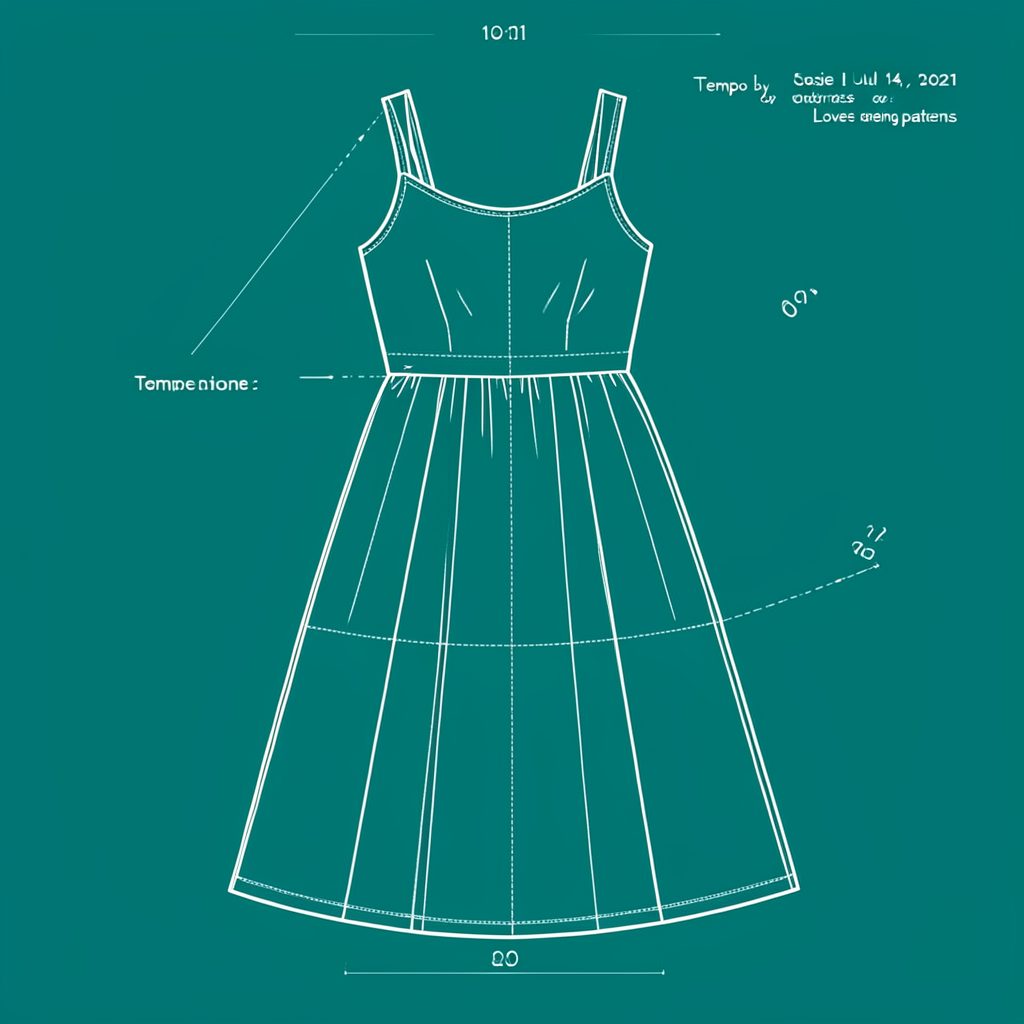
| Tempo Sundress | Love Notions | Sundress | No closures, shirred back panel |
| Arlington Sweater | Love Notions | Sweater | Cold-weather staple |
| Sybil Illusion Skirt | Love Notions | Skirt (knit) | 7 variations, optional pockets |
| Camden Pinafore | Nina Lee Patterns | Pinafore dress | Year-round layering piece |
| Ogden Cami (dress hack) | True Bias | Cami / Dress | Versatile wardrobe builder |
| Burda 6829 | Burda | Dress | Multi-sized, special-occasion |
Stay in Touch
Subscribe to the newsletter for sewing inspiration, pattern tips, and project ideas delivered straight to your inbox.