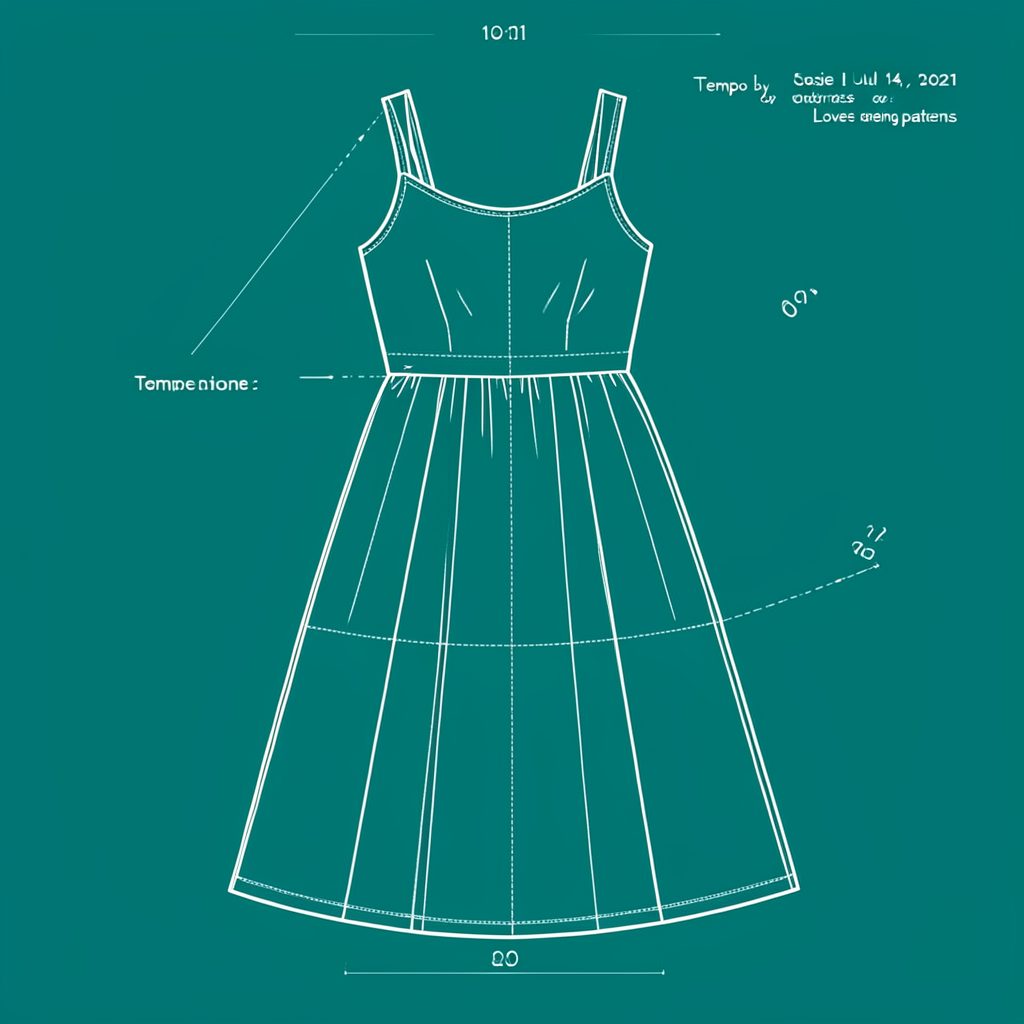
Sinclair Patterns Nia Dress Review
The Sinclair Patterns Nia Dress is the kind of project that earns a place in a practical handmade wardrobe: comfortable enough for everyday wear, polished enough for lunch out, and adaptable across several seasons. Its clean shape makes it appealing to sewists who want a reliable knit dress without committing to a complicated construction process.
For Australian sewists, the pattern has particular potential. A breathable rayon jersey could work beautifully through a Queensland summer, while a stable cotton knit or ponte would give a more structured result for cooler days in Melbourne, Canberra or Hobart. I also like that the design can be treated as a starting point rather than a fixed recipe, which is useful when fabric availability and pricing vary so much between local shops and online retailers.
The overall shape and style
The Nia Dress has an easy, feminine silhouette that feels current without being overly trend-led. The style is streamlined enough for a bold print, yet simple enough to showcase a lovely solid colour or textured knit. That balance makes it suitable for both a first dress project and a more considered wardrobe addition.
Its appeal comes from the relationship between comfort and shape. The dress is relaxed where it needs to be, but it does not look like an oversized T-shirt extended into a skirt. Depending on fabric choice and the selected options, it can read as casual, smart-casual or quietly dressy.
This versatility is especially helpful in Australia, where a single garment may need to move from an air-conditioned office to a warm train platform or a breezy coastal evening. A shorter length and lightweight knit suit summer, while a longer version with a cardigan can carry into autumn.
Fabric choices that make a difference
Knit selection will have a major effect on the finished Nia Dress. A rayon jersey creates fluid drape and a soft, swishy skirt, but it can be slippery to cut and may require more careful handling around the neckline and seams. Cotton jersey is easier to control and often more forgiving for a beginner, although it may produce a slightly crisper silhouette.
Ponte gives the dress a more substantial finish and can be a good choice when you want stronger body or extra coverage. It is worth checking the pattern’s recommended stretch percentage before substituting fabric, since a knit that feels comfortable on the bolt may still lack the recovery needed for a close-fitting area.
Australian fabric shopping can involve a little planning. Spotlight is convenient for accessible basics, while independent online stores and small fabric businesses often offer better specialist jersey, modal blends and European knits. Allow for postage, GST on imported orders and the possibility that a colour shown on screen will look different in bright Queensland sunlight.
A print with a clear directional design needs extra thought at the cutting stage. Abstract florals, small geometrics and marls are easier to manage than large border prints, particularly if this is your first attempt at matching knit pieces.
Fitting the Nia Dress
The most important step is taking accurate body measurements rather than automatically choosing a familiar ready-to-wear size. Compare the measurements with the pattern chart and consider the intended ease. A dress that looks relaxed in the photographs may still have a shaped bodice, so the bust, waist and upper hip measurements all matter.
If your measurements span several sizes, blend between them gradually. A full-bust adjustment may be useful for some figures, while others may need a small bust adjustment or a little extra length through the torso. The safest approach is to make a toile, or at least test the bodice in inexpensive knit before cutting into a treasured print.
Length adjustments are equally worthwhile. Taller sewists may want extra length through the bodice or skirt, while petite sewists could remove some length without changing the overall character of the garment. For an Australian summer wardrobe, a shorter hem can feel fresh and practical, but a midi length offers more coverage for commuting and cooler southern weather.
The Sinclair Patterns instructions are designed to make the process approachable, though beginners should still read through the construction order before switching on the machine. A quick test of the seam allowance and stretch on a fabric scrap can prevent surprises later.
How it compares with similar dress projects
The Nia stands out as a flexible knit dress rather than a highly specialised occasion garment. It is less about elaborate detail and more about getting a wearable result from a manageable number of pattern pieces. That makes it a useful addition to a collection of indie sewing patterns.
| Feature | Nia Dress | Best use |
|---|---|---|
| Fabric | Stretch knit fabrics | Soft everyday dresses |
| Style | Clean, feminine and adaptable | Casual to smart-casual wardrobes |
| Construction | Manageable with a sewing machine or overlocker | Confident beginners and intermediate sewists |
| Fitting | Worth checking bust, waist, hip and length | Personalised, comfortable results |
| Fabric impact | Drape changes the final silhouette | Rayon for fluidity, ponte for structure |
| Wardrobe role | Easy to dress up or down | Workdays, weekends and travel |
The simplicity also creates room for personal styling. Add a belt for definition, wear it loose for hot-weather ease, or layer it with a denim jacket when the temperature drops. In Sydney or Brisbane, sandals and a lightweight bag may be enough; in regional Victoria, boots and a wool cardigan can make the same dress feel entirely different.
Sewists who enjoy adapting patterns may also appreciate browsing other independent designers for complementary ideas. For a coordinated handmade wardrobe, these matching outfit patterns offer inspiration without requiring every garment to look identical.
Construction experience and useful techniques
A sewing machine with a stretch stitch or narrow zigzag can handle the project, although an overlocker will make the seams quick and neat. Use a ballpoint or stretch needle, polyester thread and a test seam before beginning. If the fabric curls at the cut edge, resting it flat before construction can make accurate handling easier.
The neckline and hems deserve patience. Twin needling can produce a professional finish, but a zigzag or coverstitch is perfectly practical if the fabric resists. Keep the differential feed or presser-foot pressure in mind when working with a lightweight rayon knit, as rippling seams can distract from an otherwise successful make.
Pressing is helpful, but use moderate heat and a pressing cloth when working with synthetic fibres. Clear elastic in a shoulder or waist seam may improve stability where the garment needs support, particularly in a fluid knit with limited recovery.
I would avoid rushing the final try-on. Check the side seams, neckline position and hem balance before finishing everything permanently. Small adjustments at this point are much easier than unpicking a completed garment after the first full-day wear.
Styling and wardrobe potential
The Nia Dress can earn regular wear because it does not demand a special occasion. A plain navy, black or olive version would work for errands and casual work settings, while a bright floral or abstract print would feel cheerful for summer gatherings. A darker ponte version could be styled for dinner with simple jewellery and a structured jacket.
It also suits a capsule wardrobe because the shape can work with several layers. Try a cropped cardigan, linen overshirt or lightweight blazer depending on the season. In Australia, breathable layers are particularly useful because indoor cooling can make a hot day feel surprisingly chilly once you are inside a shop, cinema or office.
For sewists who like small pattern changes, a contrast waistband, colour-blocked skirt or narrow sleeve alteration could create a second version without making the dress look like a repeat. The side-slit top hack is another useful example of how a straightforward base pattern can be altered into something with a different styling purpose.
Practical sewing recommendations
The Nia Dress is a strong choice when you want a comfortable, wearable garment with enough flexibility to suit different fabrics and personal styles. It rewards careful preparation more than advanced technical skill, making it approachable while still offering room for refinement.
- Measure yourself immediately before choosing a size, especially if your measurements have changed.
- Make a quick bodice test in a similar knit before cutting expensive fabric.
- Choose fabric by stretch, recovery and drape rather than colour alone.
- Stabilise shoulder or waist seams when using a very soft jersey.
- Test the neckline finish on scraps before applying it to the dress.
- Check the hem length while wearing the shoes you expect to pair with it.
- Keep the first version simple so you can assess the fit before adding design changes.
As an indie pattern, the Nia Dress has the practical qualities that make a project worth repeating: approachable construction, adaptable styling and a silhouette that can shift with the fabric. With thoughtful fitting and a suitable knit, it can become one of those dependable handmade garments that gets pulled from the wardrobe again and again.
Popular Pattern Reviews
| Pattern | Designer | Type | Highlight |
|---|---|---|---|
| Compose Robe (Kids) | Love Notions | Robe / Loungewear | Sizes 2T–16, cosy & practical |
| Tempo Sundress | Love Notions | Sundress | No closures, shirred back panel |
| Arlington Sweater | Love Notions | Sweater | Cold-weather staple |
| Sybil Illusion Skirt | Love Notions | Skirt (knit) | 7 variations, optional pockets |
| Camden Pinafore | Nina Lee Patterns | Pinafore dress | Year-round layering piece |
| Ogden Cami (dress hack) | True Bias | Cami / Dress | Versatile wardrobe builder |
| Burda 6829 | Burda | Dress | Multi-sized, special-occasion |
Stay in Touch
Subscribe to the newsletter for sewing inspiration, pattern tips, and project ideas delivered straight to your inbox.